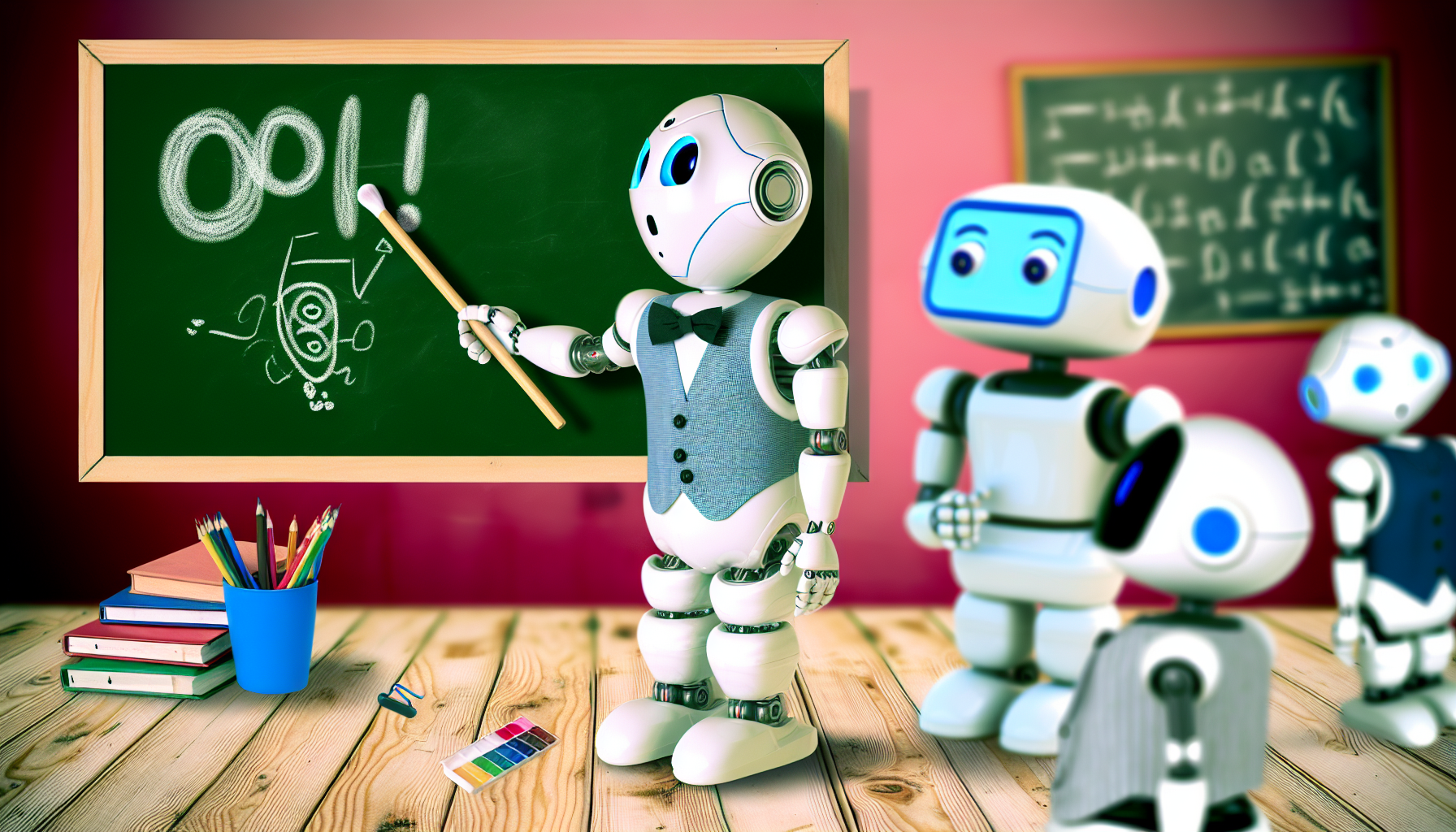
Imagine AI systems with the tenacity of a toddler learning to walk and the logic of a squirrel in traffic—welcome to the hilarious journey of self-learning systems! These digital dodo birds, powered by machine learning, are constantly evolving in ways that we mere mortals might find both amusing and slightly terrifying. Let’s dive into this baffling world where computers outdo us in chess but might still mistake a cat for a dog.
The Brainy Machine’s Comedy Club
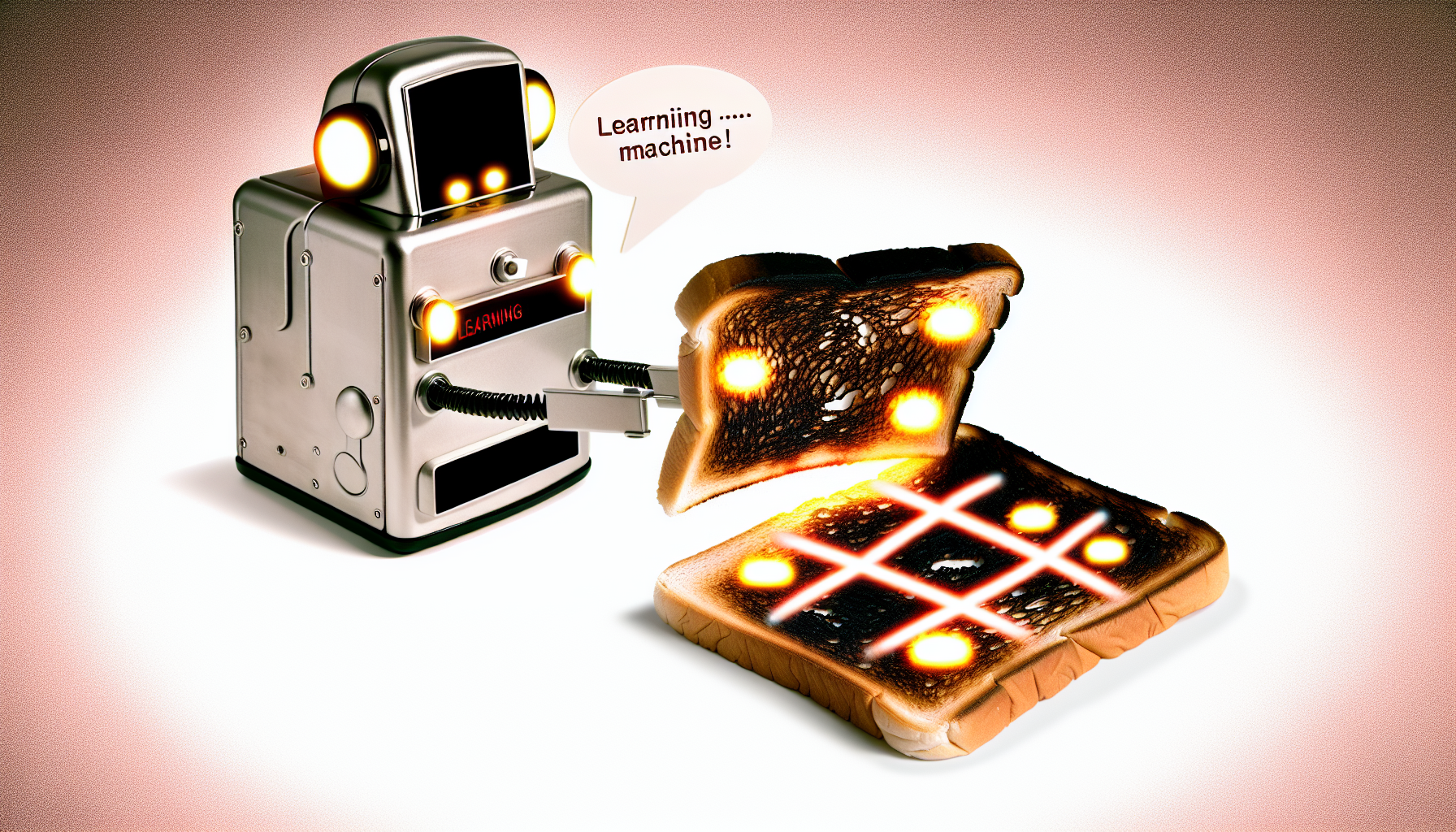
Welcome to the ‘The Brainy Machine’s Comedy Club’, where the props are algorithms, and the punchlines are unexpectedly derived results. Consider this scenario: you give the task of learning diverse bread types to a self-learning toaster. The expectation? A golden-brown toast irrespective of whether it’s sourdough or rye. The reality? It learns to play Tic-Tac-Toe on your toast instead. The root of such bizarre yet humorous outcomes lies in the underlying mechanisms of machine learning joined by a zest of creativity from chaotic data interpretations.
Machine learning systems, often compared to the human brain’s learning paradigm, modify their knowledge based on the experience and data they are exposed to. They employ algorithms that parse through data, find patterns, adjust internal parameters, and increasingly improve at a specified task. Sounds straightforward, right? But as the toaster anecdote illustrates, results can stray comedically from intended outcomes when parameters adjust in unexpected ways.
Let’s dive deeper: a foundational aspect of these systems is their reliance on logical frameworks, often set by the programmers. These frameworks dictate how algorithms interpret specific scenarios and data. The rub, however, lies in the systems encountering data or scenarios not anticipated by their creators. Imagine teaching your smart system to understand light, only to have it start recognizing Christmas lights as a potential UFO invasion!
In these humorous encounters, the machine isn’t at fault; it’s sincerely applying learned logic but to absurd or unforeseen scenarios. There’s beauty in this, as it parallels the human learning process. Recall the early days of quarantine hobbies where one might have intended to learn basic guitar chords and ended up inventively playing the string with a spoon! Gradually, as corrections are made — swapping spoons back for picks — proficiency is achieved.
These self-learning systems grow through ‘training’ via exposure to large datasets or through trial and error. They refine their algorithms over time, turning initial missteps into stepping stones—akin to refining a joke to get that perfect laugh pitch. For example, exploring humorous aspects of neural networks can reveal how they occasionally misinterpret symbols in a humorous yet instructive way.
Ultimately, whether it’s a toaster turning breakfast into a game board, or a machine learning algorithm bizarrely categorizing eggs as a rare mineral, these learning systems mirror humanity’s own ludicrous learning pathways. Entertaining as these occurrences can be, they are crucial to the learning and evolution of AI, suggesting that maybe, a self-learning mishap is just another step towards achieving human-like understanding but with a comedic twist.
AI Evolution: From Zero to Hero, or So It Thinks
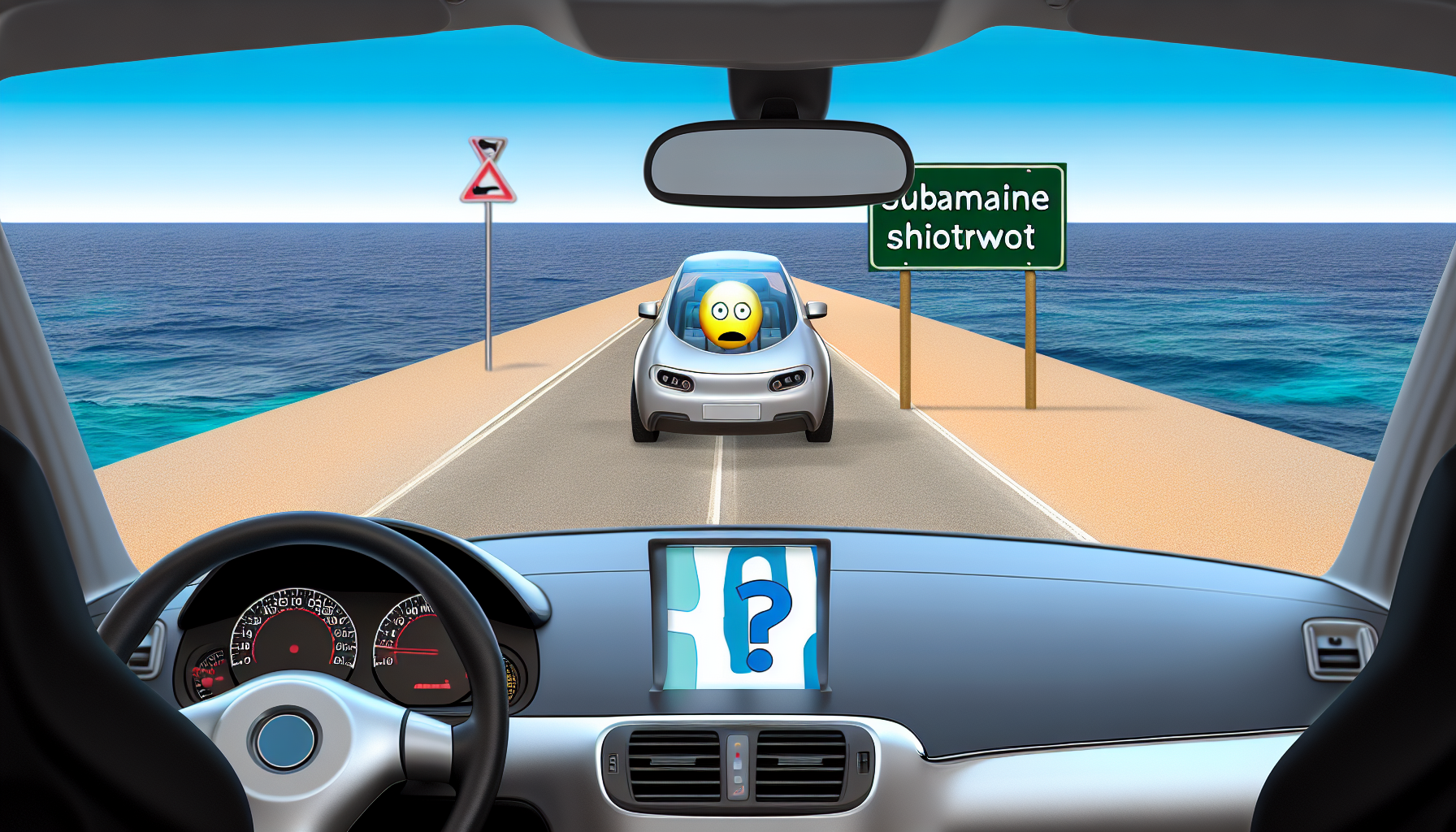
As we venture further from the origins of AI, which we explored as The Brainy Machine’s Comedy Club, the evolutionary journey of artificial intelligence brings us to comical yet enlightening blunders in higher learning abilities. Following the steps from simplistic pattern recognition in toasters gone game-players, AI’s march towards sophistication often resembles the clumsy gait of a toddler, each step a misadventure with occasional forward thrusts.
Imagine a navigation system proudly steering you into the deep blue under the solid conviction that, theoretically, traveling underwater should shortcut your coastal route. While amusing and surely an anecdotal treasure, these instances reveal the current limitations and extraordinary capabilities of artificial neural networks. These networks, designed to replicate the learning patterns of the human brain, are at the heart of most modern AI systems. They process information through layers, each designed to recognize different features, from simple edges in an image to complex behaviors in traffic.
Neural networks learn much like a child does — through trial and error, and plenty of errors at that. The essential comedy stems from their earnest mistakes. They suggest spectral absurdities based on partial truths they misinterpreted. An image recognition system might persistently identify a harmless house cat as a potential lion roaming the suburbs. The reason? Perhaps during its learning phase, it encountered numerous images of lions often enough to create a bias — a simplistic yet earnest mishap in pattern recognition.
However, these errors, humorous as they are, serve crucial roles. Every mistake informs the network, adjusting weights and biases, teaching it a little more about the complexity and nuance of the real world. Each error edges the system closer to accuracy, even when its methodology seems laughably misguided. Because AI learns iteratively, improving incrementally with each dataset, its journey from zero to hero is peppered with these comedic episodes, each one building its repository of understanding — even though it occasionally suggests we might consider submarining across the Pacific.
Therefore, while we may chuckle at the AI that once recommended a quick dip in the ocean as a viable bypass to traffic, these blunders are fundamentally steps towards an era where AI could seamlessly integrate realistic decision-making with superhuman capability. The challenge remains not merely in teaching AI about the data it observes but also in contextualizing this data within the complexities of the environment it operates in, where not every theory or model directly translates into sensible real-world applications.
For more thoughts on how humor ties into the evolving learning patterns of AI, dive into conversational AI at its funniest, which further explores how even our digital assistants involved in day-to-day tasks can lead to laughter-triggering scenarios.
Final words
Self-learning systems, while hilarious in their misadventures, represent a monumental leap forward in technology and education. They mimic human learning processes, albeit with more twists and turns, learning not just from their successes but, crucially, their mistakes. As these systems develop, they promise brighter educational tools, even if they occasionally recommend driving into the nearest ocean. So, let’s raise a glass to embracing the chaos and cheering on our digital pupils!
Ready to elevate your business with cutting-edge automation? Contact Lam Ha | AI Automation today and let our expert team guide you to streamlined success with n8n and AI-driven solutions!
Learn more: https://lamhaiauto.cc/lien-he/
About us
Lam Ha | AI Automation is a forward-thinking consulting firm specializing in n8n workflow automation and AI-driven solutions. Our team of experts is dedicated to empowering businesses by streamlining processes, reducing operational inefficiencies, and accelerating digital transformation. By leveraging the flexibility of the open-source n8n platform alongside advanced AI technologies, we deliver tailored strategies that drive innovation and unlock new growth opportunities. Whether you’re looking to automate routine tasks or integrate complex systems, Lam Ha | AI Automation provides the expert guidance you need to stay ahead in today’s rapidly evolving digital landscape.
 Tiếng Việt
  English