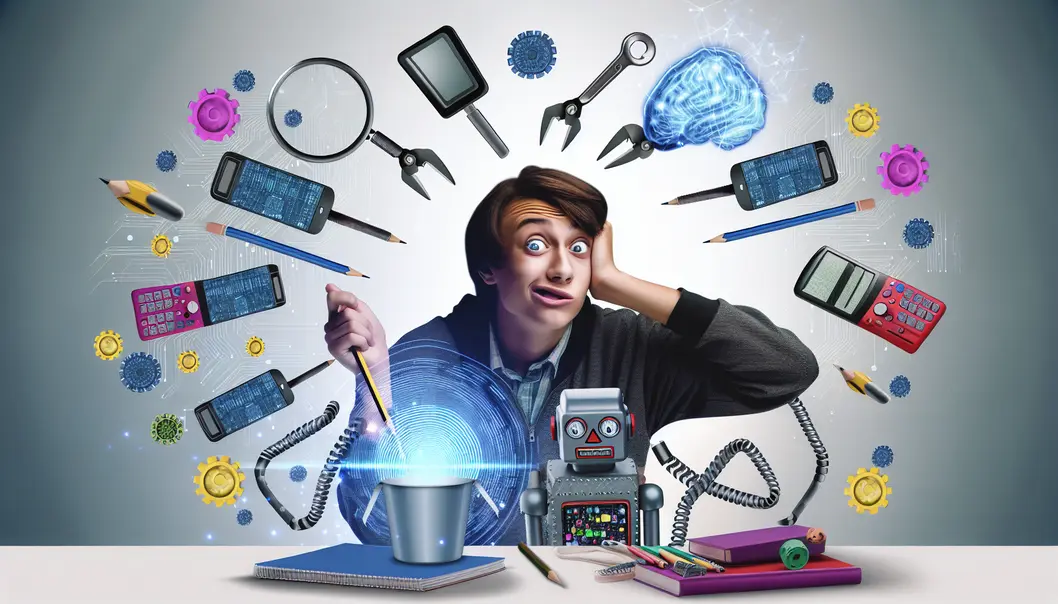
Ever wonder why humans, known for their impressive brain capacity, consistently misplace keys or confuse Wednesday with Thursday? Meet task automation—the hero you never knew you needed. It’s not lazy; it’s efficient! Perfect for students like you, who would rather binge-watch cat videos than sort weekly notes, automation helps manage mundane chores, giving your brilliant mind more time and space to shine. Let’s dive into the whimsical world of automation and see if we can automate our way to sanity!
How Not to Overkill: Automation without Becoming Auto-Matic
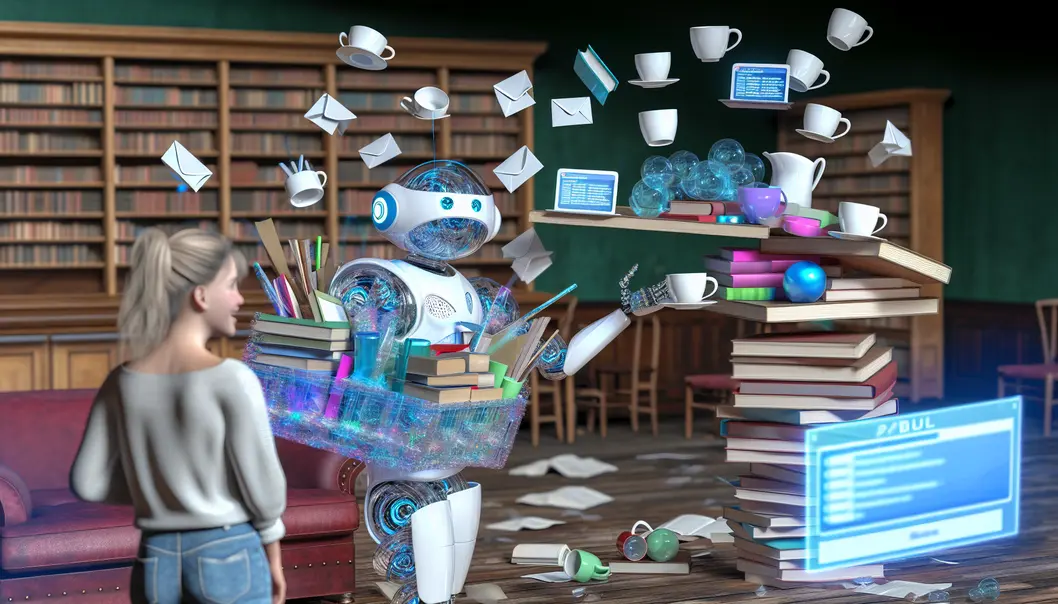
Imagine for a moment you had a robot butler handling your daily chores. It sounds thrilling until this mechanical companion starts making decisions you never intended—like opening emails from questionable relatives claiming vast fortunes in distant lands. That’s the challenge and allure of task automation. Automation has become a fabulous ally for students striving to stay on top of their workload. It’s tempting to hand over mundane tasks to algorithms, liberating time for more engaging pursuits. Yet, the crux lies in wielding these tools judiciously, so they serve us without stripping away our personal engagement in life.
Task automation offers a liberating potential. It can streamline processes, delegating repetitive actions to digital assistants. These tools can organize schedules, remind you about assignments, and even help with research organization. While many students embrace automation eagerly, envisioning a world free from tedious tasks, equating automation solely with convenience risks descending into a monotonous push-button existence. It’s essential to strike a balance, embedding automation into your academic toolkit without surrendering to its every whim.
Recognizing when and where to automate is crucial. Simple tasks could benefit greatly from automation—like organizing notes or creating reminders—but tasks requiring human touch should remain untouched. Automation should enhance your capabilities, not replace them entirely. Imagine automating responses to your professor—dangerous territory. Crafting a thoughtful email remains an art form, requiring personal insight. Here, your nuanced understanding and individual voice matter more than efficiency. Automation can organize your inbox, but no algorithm should pen that crucial message.
Integrating automation into your daily routine requires an understanding of its limitations. Tools designed for automation can handle standardized actions, providing a consistent backbone to your study habits. They should operate as behind-the-scenes aids, never overshadowing your initiative or creativity. Automation shouldn’t have the power to shape your academic identity. Instead, use automation to handle the background tasks, letting your intellectual curiosity and engagement steer the forefront.
Embrace automation thoughtfully and avoid becoming auto-matic; take time to review what processes truly need automation assistance, and learn to harness these digital tools effectively. Just as you’d carefully assign tasks to a hypothetical robot butler, selectively engage automation for routine activities while retaining those that flourish in human interaction. With this principle in mind, automation becomes a valuable asset—providing more space for intellectually stimulating endeavors, personal growth, and developing meaningful relationships without losing your authentic self.
Avoiding the Trap: Keeping the Human in the Automation Loop
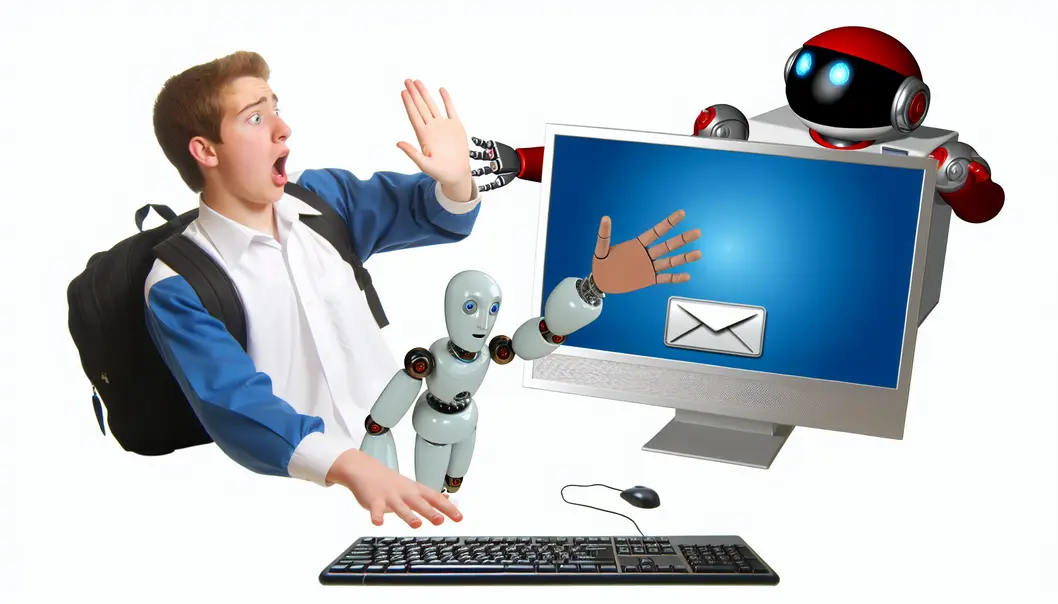
At first glance, automation might seem like a miraculous solution for the modern student, promising relief from the drudgery of repetitive tasks. However, the magic of task automation can quickly turn into mischief if allowed to run amok. Perhaps the most critical step is recognizing the thin line between efficient assistance and lazy dependency, thus preserving your individuality and decision-making processes.
Digital assistants are great for scheduling reminders or organizing your calendar, but not for tasks that require nuanced judgment and creativity. To maintain a balance, remind yourself that automation serves as your helper, not your replacement. For instance, consider when an automated meal planner might offer convenience, but still requires you to decide nutritional needs and preferences. Allow automation to ease logistics, while you retain the essence of the creative process itself.
While it may be tempting to offload everything to your digital helpers, it’s crucial to remain vigilant over what tasks are truly beneficial to automate. Think of automation as outsourcing the mechanical processes of life, not the meaningful engagements which require a human touch. Defaulting to auto-pilot can dull your critical thinking and reduce adaptability in problem-solving scenarios that demand creativity and sensitivity.
Understanding the context and setting limits to digital engagements is a beacon for navigating through automation misuse. Even an email auto-responder capable of sending embarrassingly irrelevant messages—like ‘LOL’ to your thesis advisor—illustrates the necessity of human oversight. Small, seemingly inconsequential errors might compound over time into significant miscommunications affecting your academic or professional reputation.
Knowing the appropriate times to ‘pop the batteries’ out of your digital assistant demands discernment. Implement periodic reviews where you assess which tasks you’re automating and why. Is your reliance on automation an act of efficiency or avoidance? Being honest in these evaluations ensures you’re delegating rather than deferring.
A healthy amalgamation of human intuition and automated systems involves an understanding of your limitations without handing over control entirely. Invite automation to the table as a partner, not as an autocratic oracle dictating your decisions. This partnership should facilitate a more productive routine, but not rob you of opportunities to use and develop cognitive skills.
Remember, technology is an evolving landscape, and today’s tools will soon change. Keeping abreast of developments, while retaining a critical eye, will help you stay in control. Embrace a mindset that values learning and growth over mechanical efficiency. After all, the goal of integrating automation is not to aggregate tasks into a seamless flow of completion, but to free cognitive space for what truly matters—creativity, learning, and personal interaction.
By weaving together these strategies, the possibility to harness the power of automation without succumbing to button-pushing zombification becomes attainable. Ultimately, striving for a harmonious blend of tech facilitation and human engagement can lead to a more enlightened, mindful journey through your academic endeavors and beyond.
Final words
Task automation is a powerful ally in a student’s life, making everyday tasks less of a burden. But remember, it’s all about balance. Avoid going full robot-mode; keep the humanity in your schedule. Strive for efficiency while maintaining your quirky, delightful personality. As you venture into the automation realm, ensure these digital tools serve you, not the other way around. The goal? Smart efficiency without losing touch with what makes you uniquely human.
Ready to elevate your business with cutting-edge automation? Contact Lam Ha | AI Automation today and let our expert team guide you to streamlined success with n8n and AI-driven solutions!
Learn more: https://lamhaiauto.cc/lien-he/
About us
Lam Ha | AI Automation is a forward-thinking consulting firm specializing in n8n workflow automation and AI-driven solutions. Our team of experts is dedicated to empowering businesses by streamlining processes, reducing operational inefficiencies, and accelerating digital transformation. By leveraging the flexibility of the open-source n8n platform alongside advanced AI technologies, we deliver tailored strategies that drive innovation and unlock new growth opportunities. Whether you’re looking to automate routine tasks or integrate complex systems, Lam Ha | AI Automation provides the expert guidance you need to stay ahead in today’s rapidly evolving digital landscape.
 English
  Tiếng Việt