Posted on Leave a comment

AI-Powered Decisions: Because Guesswork is So Last Season

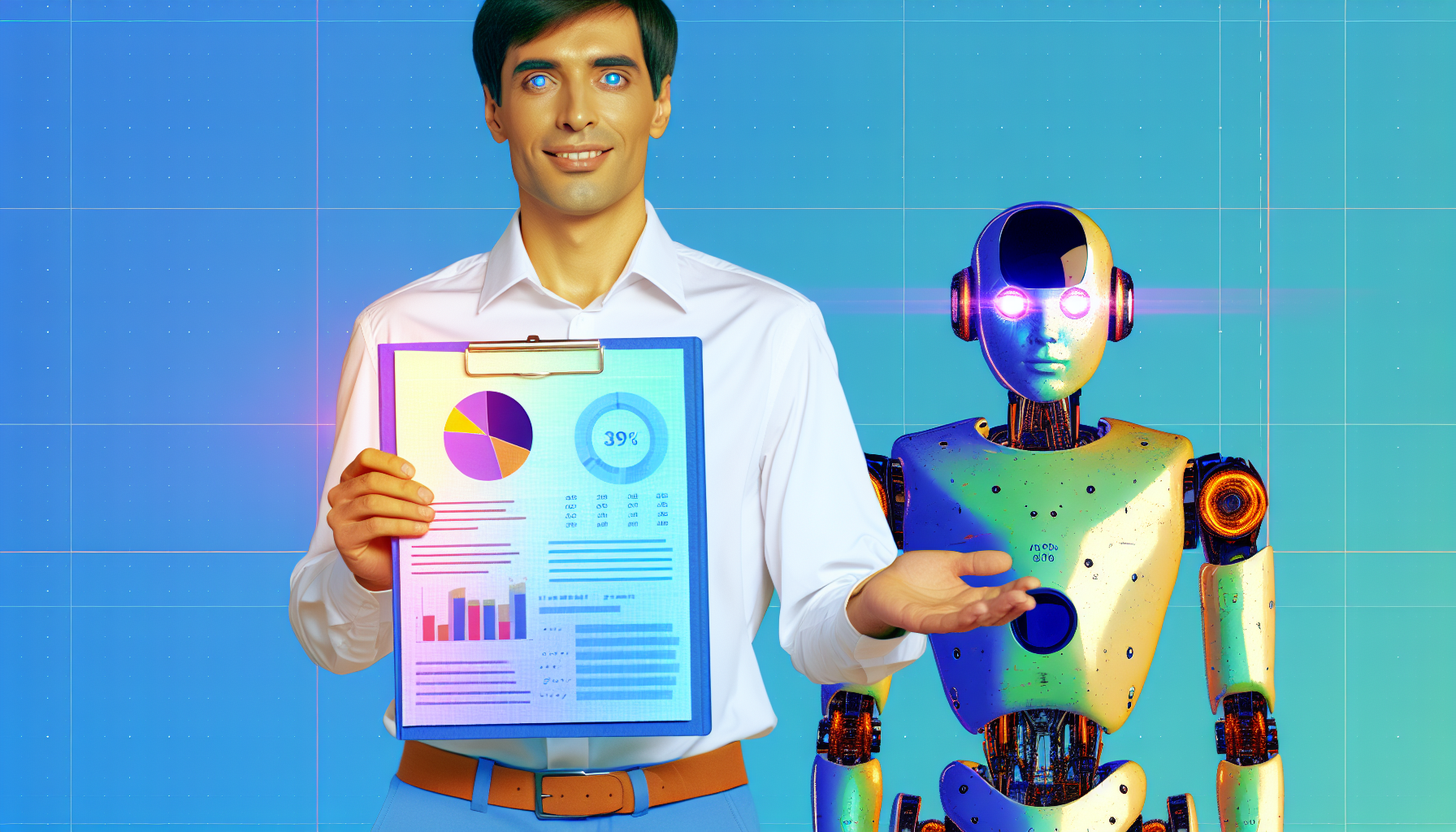
A confident founder with an AI assistant holding a data-rich clipboard, symbolizing their partnership.

Ever stared at two decisions like a deer caught in a VC pitch? Decision-making is hard—especially when your startup feels like juggling flaming chainsaws. Enter AI-powered decision-making: a tech buddy that crunches numbers, spots trends, and reduces sleepless nights caused by questionable founder ‘gut instincts.’ Whether it’s prioritizing features or nailing user acquisition strategies, AI can help you make smarter, data-backed calls—and maybe even reclaim some of that lost sanity.

When in Doubt, Ask the Robot Overlord

Traditional guesswork versus AI-powered clarity in decision-making.

Gone are the days where strategic decisions were made by throwing dice or dowsing the business landscape with a witching stick. Enter the age of artificial intelligence—a time when startup founders can sit back, relax, and ask their ‘robot overlord’ for sage advice on the most intricate business dilemmas.

Consider this: traditionally, a startup’s direction might be dictated by gut instincts or the mysterious art of market ‘intuition.’ This old-school technique could certainly land some wins, but more often than not, it was akin to navigating a minefield blindfolded. However, with AI’s deep learning capabilities and vast data processing prowess, decision-making has morphed into a far more precise science.

Take, for instance, the task of identifying the startup’s target audience. The traditional method might involve some guesswork based on superficial market research or perhaps just an educated guess. Now, imagine wielding the power of AI analytics, which sifts through vast amounts of data to pinpoint demographic sweet spots and consumer behavior patterns with surgical accuracy. Neutral networks and machine learning algorithms parse data at a speed and accuracy that manual analysis could hardly dream of, optimizing marketing strategies and drastically reducing trial-and-error cycles.

Or consider revenue forecasting—previously a territory where ‘maybe,’ ‘possibly,’ and ‘we hope so’ often took up residence. AI introduces a game-changing angle here. Predictive models analyze historical data, market trends, and global economic indicators to churn out forecasts that are not just better informed but also astonishingly precise. This capability allows startups to plan with a higher degree of confidence and tackle financial planning with the finesse of a seasoned chess master.

The efficiency introduced by AI isn’t just confined to robot-like operations. It extends to an almost clairvoyant level of business intelligence. Where earlier the challenge was ‘finding the right answers,’ now it’s often ‘asking the right questions to your AI tools.’ This shift brings about a palpable change in how decisions are made—swiftly, smartly, and with a lot fewer regrets.

Startup founders who integrate AI into their decision-making not only leapfrog over older, more cumbersome methods but also gain a distinct competitive advantage. They spend less time in boardrooms over hot debates and more time steering their venture toward its goals with cool, calculated inputs from their AI systems.

In this brave new world of data-driven strategy, the whims of intuition are replaced by the reassuring confidence of analytics. For more insights into how AI is redefining business processes, check out this additional resource. As we march forward, the guesswork of yesteryears will increasingly seem like a quaint, if not an entirely obsolete, form of decision-making.

Why Second-Guessing Your AI is Like Backseat Driving a Tesla

Traditional guesswork versus AI-powered clarity in decision-making.

Imagine you’re cruising in a Tesla, basking in the glory of autopilot ease. Now, picture intervening— twitching at the steering wheel every minute, overriding the meticulous calculations of this engineering marvel. This scenario is analogous to startup founders’ hesitation to trust AI-powered decisions. Just like backseat driving, micromanaging AI undermines its effectiveness, in turn slowing down the potential speed of business advancements.

The reluctance largely stems from a deep-rooted human desire to stay in control, especially when it concerns critical aspects such as financial predictions or hiring decisions. It’s tempting for founders to want to apply human logic over machine efficiency, akin to shouting directions from the backseat, but is it necessary? Financial forecasting, for instance, is driven by data that an AI system can analyze with far greater accuracy and speed. By stepping off the pedal and allowing AI to foresee market trends or cash flow issues, founders can avoid the proverbial crash of bankruptcy or missed opportunities.

In customer behavior analytics, AI thrives on the nuances of data harvesting and pattern recognition—tasks it is tailor-made for. Letting AI control this wheel means gaining insights that are not always intuitive to the human mind. For instance, it might predict a surge in demand (beforehand) in a demographic founders hadn’t considered, which could influence marketing strategies or inventory decisions. Trusting AI here can be compared to letting the Tesla take the fastest route suggested by its uber-efficient GPS, rather than the familiar backroads.

Hiring decisions can also benefit from AI intervention. Traditional methods may lean towards gut feeling or familiarity with candidates. However, AI-driven tools analyze myriad data points from past hiring outcomes to the minutest details in resumes, ensuring a less biased and more qualitative assessment. It’s like choosing a driver based on their full driving history instead of how confidently they claim they can drive. When trusted, AI can expertly steer through the vast candidate pool, often avoiding hiring mishaps like selecting a charismatic but ultimately unfit candidate.

Examples such as a startup efficiently preventing a costly marketing mishap by trusting AI’s anomaly detection during a campaign illustrate the preventive power of AI. Seen through this lens, startups must learn to differentiate situations where human intuition is irreplaceable from where systematic, data-backed AI decision-making reigns supreme. Much like discerning when to let autopilot take the lead for a smooth, efficient ride versus knowing when essential human intervention may truly be required—such as navigating complex moral landscapes AI might not yet fully grasp.

In conclusion, while it’s challenging, embracing AI-driven decision-making can liberate founders from constant second-guessing and unlock untapped opportunities.

Final words

AI isn’t here to replace you; it’s here to make you look like the genius you already tell people you are. In the startup grind, decisions are many, time is short, and resources are limited. By embracing AI, you can ditch the guesswork, reduce errors, and focus your energy on building something amazing. Let AI do the heavy lifting—so you can spend less time stressing and more time sipping celebratory coffee over your success.

Ready to elevate your business with cutting-edge automation? Contact Lam Ha | AI Automation today and let our expert team guide you to streamlined success with n8n and AI-driven solutions!

Learn more: https://lamhaiauto.cc/lien-he/

About us

Lam Ha | AI Automation is a forward-thinking consulting firm specializing in n8n workflow automation and AI-driven solutions. Our team of experts is dedicated to empowering businesses by streamlining processes, reducing operational inefficiencies, and accelerating digital transformation. By leveraging the flexibility of the open-source n8n platform alongside advanced AI technologies, we deliver tailored strategies that drive innovation and unlock new growth opportunities. Whether you’re looking to automate routine tasks or integrate complex systems, Lam Ha | AI Automation provides the expert guidance you need to stay ahead in today’s rapidly evolving digital landscape.

Posted on Leave a comment

Procrastination Level: Advanced—How Task Automation Saves Students’ Bacon

A creative image of student and gadgets working in harmony to automate tasks.

Ever felt like life is an endless game of dodging deadlines? Welcome to the ultimate student hack: task automation! Whether it’s that essay you forgot about or the laundry mountain in your room, automation can swoop in like a hero. With a sprinkle of tech wizardry, you can offload mundane tasks to your computer while you, well, nap or binge-watch. Let’s dive into the world where bots and scripts do your dirty work—and make you the coolest (and most efficient) student on campus.

Why Do Today What a Bot Can Do Tomorrow?

A robot helping a student automate their work amidst chaos.

Why do today what a bot can do tomorrow? This rhetorical question has been rephrased in the corridors of colleges and dorms becoming a mantra for the savvy student bogged down with assignments. Indeed, procrastination has met its match in the form of task automation—a savior for students looking to balance work, sleep, and play. Humor and technology collide as we explore why task automation is the ultimate superhero in the student’s universe.

Imagine the familiar last-minute frenzy: poring over piles of assignments due in a couple of hours. Ah, the adrenaline! But, dear student, there’s a less dramatic path. Automation tools now can handle from complex calculations to managing schedules, turning recurring tasks into background activities while you enjoy an episode of your favorite show or snag some extra sleep.

Consider the beauty of automated reminders which ensure you never miss a deadline again. An automated reminder is like that one friend who never lets you forget anything—except it doesn’t need to stop for coffee. Then, delve into the magic of automated scheduling tools, which can help plan out your study periods, social commitments, and even ensure you’re left with time for rest and recreational activities—all synced seamlessly with your digital calendar.

But wait! The realm of automation extends beyond just reminders and scheduling. Comprehensive task automation platforms interpret your course syllabus and preemptively set up tasks and deadlines in accordance with your personal study habits and peaking productivity hours. Imagine your entire semester, systematically organized and prompted for you, leaving you with hardly any excuse to delay your assignments.

Many students report a drastic reduction in stress levels and an uptick in free time—all precious commodities. For those invested in maximizing productivity, there’s a practical side to task automation that cannot be ignored. While some may call it lazy, we call it strategically delegating to a digital counterpart so you can focus on high-stakes tasks like term papers or finals.

Indeed, the irony of procrastination battling with automation is delicious. We’re essentially using one aspect of technology—designed to help us do more in less time—to help us delay work without consequences. But in the grand scheme, if a task completed by a bot passes muster, has procrastination really won, or did we just redefine efficiency?

In the next chapter, we’ll explore how even the laziest students can set up these automation tools easily. Tune in for simple, actionable insights that will transform your ‘doing it later’ into ‘done automatically.’

Be Lazy, But Make It Productive

A robot helping a student automate their work amidst chaos.

Now that you’re familiar with the ‘why’ behind task automation for students, let’s power through the how. Embrace your inner procrastination connoisseur and turn it into skilled productivity with a dash of humor, because every mighty slacker knows that the right automation can craft a faux façade of tireless diligence.

Slacker Level 1: The Forget-Me-Not Achievers

Here’s your first triumph – making sure you never forget an assignment or test date again. Start by creating automated reminders. Use your digital calendar to set up event reminders for all important dates; due dates for assignments, exam schedules, and group meetings. Configure it to remind you a week before, a day before, and why not, an hour before (just in case you were planning to cram!) Each reminder could come with its own level of urgency tone, from ‘Hey, just a heads-up!’ to ‘This is it, chief!’ Engage your wit to make these reminders personalized and humor-infused, ensuring a smile rather than a groan when they pop up.

Slacker Level 2: The Ghost Reader

The ghost reader slacks off on reading until it’s almost too late. Combat this by automating your study sessions. Trigger an online tool to open up your reading materials at set times, likening it to a digital nudge to say, ‘Hey, I know you’d rather watch flames dance in the fireplace, but reading this might just keep you from flunking!’ This automation is another reason to appreciate technology’s magic – flipping pages without flipping through them physically.

Slacker Level 3: The Playlist Whisperer

Ever realize how the right tunes can miraculously transform hours of studying into what seems like minutes? Let’s make science work here! Automate your music application to play predefined study playlists during your study hours. You’ll not only be setting the right mood but will also eliminate the distraction of choosing songs. Create a recipe using triggers like ‘start studying’ to play something light and classical or ‘last hour dash’ for something more upbeat.

Remember, the longer you plan to wait, the less successful your procrastination: the more you automate now, the less you have to worry later. Congratulations, you’re on your way to becoming a master of productive laziness! Should you need more geeky insights into transforming your study habits, swing by our detailed guide on smart workflows for students.

Final words

Task automation isn’t just for tech geeks; it’s for anyone who cherishes their time and mental energy (and maybe naptime). By delegating tedious chores to scripts or apps, students can focus on what matters—whether that’s acing exams, socializing, or perfecting the art of leisure. So, embrace your inner tech-savvy procrastinator and transform your academic life into an efficient, automated paradise. Who said laziness can’t be brilliant?

Ready to elevate your business with cutting-edge automation? Contact Lam Ha | AI Automation today and let our expert team guide you to streamlined success with n8n and AI-driven solutions!

Learn more: https://lamhaiauto.cc/lien-he/

About us

Lam Ha | AI Automation is a forward-thinking consulting firm specializing in n8n workflow automation and AI-driven solutions. Our team of experts is dedicated to empowering businesses by streamlining processes, reducing operational inefficiencies, and accelerating digital transformation. By leveraging the flexibility of the open-source n8n platform alongside advanced AI technologies, we deliver tailored strategies that drive innovation and unlock new growth opportunities. Whether you’re looking to automate routine tasks or integrate complex systems, Lam Ha | AI Automation provides the expert guidance you need to stay ahead in today’s rapidly evolving digital landscape.

Posted on Leave a comment

Seeing Like a Computer: Why Your Phone Is Smarter Than You At Recognizing Cats

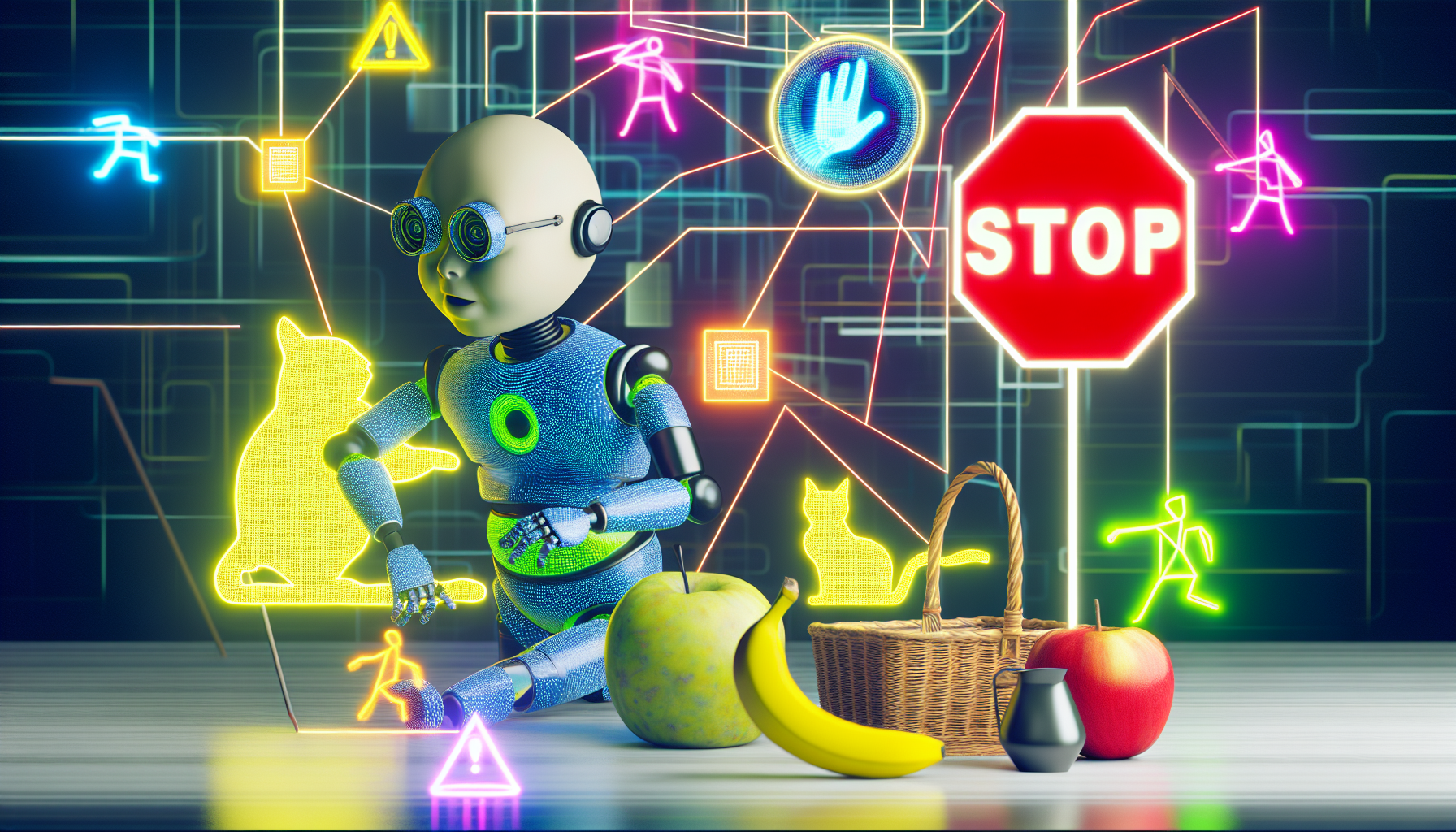
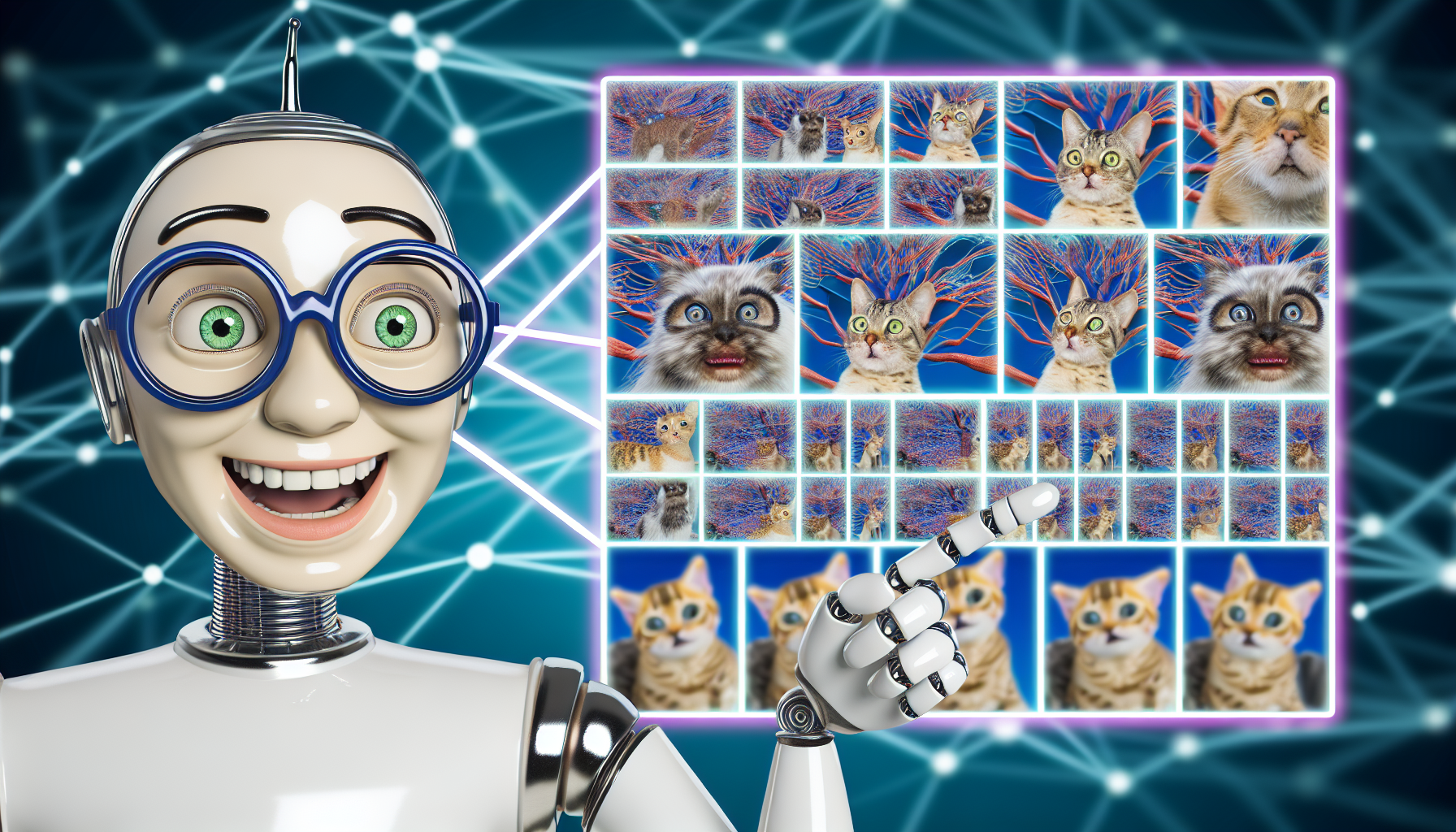
A humanoid robot-like computer processing a mix of images using glowing algorithms.

Have you ever wondered how your phone knows the difference between your cat and your dinner? Welcome to the magical realm of computer vision—where algorithms work hard to decipher images faster than you can say, ‘What’s that blurry thing?’ Whether it’s facial recognition, self-driving cars, or attempting to count beans on Instagram, computer vision is revolutionizing how machines interpret the world around them. And good news—it’s less complicated than you might think (once we sprinkle in some jokes). Let’s dive into the utterly fascinating, semi-confusing, and totally hilarious world of teaching computers how to see.

Who Needs Eyes When You Have Pixels?

A computer interpreting pixelated images using math and algorithms.

Imagine you’re talking to an alien — one who’s never experienced the riotous explosion of colors on Earth, never seen the light of day or the dark of night. How would you explain the concept of ‘seeing’? Well, computers are kind of in the same boat. They don’t inherently ‘see’ as we do; they interpret the world through the lens of pixels in a grid, like tiny dots of dark and light in a vast sea of information.

Each of these pixels can be thought of as ‘dots on steroids’; they’re not just simple dots, but spokes in a massive wheel of data. Each pixel is packed with bytes of levels for colors, each representing varying degrees of light and intensity. When your phone is trying to figure out if it’s looking at a cat, it doesn’t see fur, whiskers, or adorable eyes. Instead, it sees a matrix of these enhanced dots.

The magic begins when mathematical algorithms take the stage. These algorithms are adept at pattern recognition — turning the chaos of pixels into the shapes and textures of our world. The process starts with something seemingly simple: looking for edges. Why edges? Because they define the boundaries and basic structure of objects within a scene. Detecting edges is like drawing the outlines in a coloring book before you decide what crayons to use.

From there, feature detection kicks in. This is where your phone starts identifying specific characteristics (like the shape of eyes or the pattern of fur) that hint at ‘catness’. But it isn’t just looking at superficial details; it dives deep, analyzing textures and patterns in ways our human brains aren’t trained to calculate.

This powerful pixel examination is guided by algorithms thriving on mathematical techniques such as convolution — which you might liken to a digital version of focusing a microscope. It enhances certain features and blurs out irrelevant data, helping the machine focus on what’s important. These algorithms sift through data, recognize patterns, make inferences, and gradually construct a digital jigsaw puzzle that says: ‘That’s a cat!’

Our phones, while lacking in eyesight, compensate with pixel prowess and mathematical muscle, making them bizarrely brilliant at recognizing cats, dogs, and even items we might confuse ourselves. As we venture further into the realms of artificial intelligence, these systems only stand to become smarter, turning more and more of our pixelated chaos into recognizable scenes with startling accuracy.

To understand how these smart systems continue their quest of categorization through self-learning mechanisms, be sure to check out the next chapter on Deep Learning and neural networks. They are the overachieving nerds of the computer vision world, propelling ‘seeing’ machines into new territories of intelligence and capability.

Deep Learning: When Computers Get Nerdy About Images

A computer interpreting pixelated images using math and algorithms.

Imagine if sorting socks wasn’t just about matching colors but about identifying intricate patterns and subtle hues, even knowing the mood the sock designs imply. That’s sort of what neural networks do in the world of computer vision, just with a lot more computational panache and far fewer actual socks.

Neural networks, especially the type called Convolutional Neural Networks (CNNs), are those earnest overachievers of the AI world, obsessively turning images into categories. Think of CNNs as students forever fine-tuning their Instagram filters until they know if their breakfast toast looks more like a dog or a piece of, well, plain old toast. This is all done through what we call ‘convolutions’ which, like social media filters, tweak and amplify features in the image, but instead of beautifying a selfie, they’re making sense of the data.

These neural networks look at an image and go through layers upon layers of these convolutions, each layer understanding a bit more about what the image contains—edges, textures, colors—and each step is like zooming out a bit more to understand the bigger picture. Initially, they might just identify edges and basic shapes; farther along, they recognize complex features like eyes or fur patterns.

What’s quirky is how tiny variations in image quality or perspective can befuddle these networks. It’s akin to humans mistaking a vaguely bear-shaped patch of darkness in the woods for a real bear. Ever seen those viral images where a computer thought a muffin was a chihuahua? That’s often down to faults in low-resolution images or unusual angles—proof that even computer nerds have their befuddling moments.

The end game for these neural network valedictorians? Being able to declare with confidence, ‘This is totally a cat!’ or whatever they’ve been tasked to find. Each decision is the result of combining thousands of learned features, processed through multiple layers, deriving meaning from what might as well have been a digital soup of pixels.

Despite their impressive abilities, neural networks are not infallible. They’re only as good as the data they’ve been trained on, much like a student is only as knowledgeable as their study material. For more humorous examples of when AI gets it amusingly wrong, check out Neural Networks in Fun. So next time your phone recognizes a cat where you see only a shadow, remember it’s just a sign of how deeply it’s been staring at the world, turned data nerd.

Final words

Congratulations! You now know how machines interpret the chaotic visual world of pixels and shapes. From mathematical feature extraction to full-on deep learning magic, computer vision is evolving rapidly—and the best part? It’s turning computers into expert cozy-cat-identifiers! Who knew engineers had such priorities? Keep exploring this fascinating field, and who knows—you might just be the next mastermind behind robot artists or machines that know when a sock is just a sock.

Ready to elevate your business with cutting-edge automation? Contact Lam Ha | AI Automation today and let our expert team guide you to streamlined success with n8n and AI-driven solutions!

Learn more: https://lamhaiauto.cc/lien-he/

About us

Lam Ha | AI Automation is a forward-thinking consulting firm specializing in n8n workflow automation and AI-driven solutions. Our team of experts is dedicated to empowering businesses by streamlining processes, reducing operational inefficiencies, and accelerating digital transformation. By leveraging the flexibility of the open-source n8n platform alongside advanced AI technologies, we deliver tailored strategies that drive innovation and unlock new growth opportunities. Whether you’re looking to automate routine tasks or integrate complex systems, Lam Ha | AI Automation provides the expert guidance you need to stay ahead in today’s rapidly evolving digital landscape.
Posted on Leave a comment

Predictive Analytics: Your Startup’s Crystal Ball Isn’t a Sham

Image of a startup office with animated founders analyzing data screens and charts enthusiastically.

Ah, startup life—the land of endless coffee, late nights, and pitch decks that sparkle brighter than a supernova. But amidst all the chaos and ambition, there’s one magical tool that could make your dreams slightly less about luck and more about strategy: predictive analytics. Imagine combining tossing a coin with cold, hard data—spoiler alert, you don’t have to guess the outcome anymore. Get ready to geek out while laughing your way to actionable insights.

If Your Data Could Talk, What Would It Say (Besides Cry)?

A startup founder navigating predictive analytics with a mix of data and mystical vibes.

Imagine your startup’s data could speak—what tales of missed opportunities or close calls might it share? Understanding Predictive Analytics is akin to deciphering this silent adviser’s whispers, allowing you to craft a future where your startup doesn’t just react, but proactively thrives.

Predictive analytics harnesses historical data through statistical algorithms and machine learning techniques to forecast outcomes. For startups, leveraging these insights means better customer targeting, optimized operations, and ultimately, enhanced product offerings. Yet, many founders trivialize these numbers, missing golden opportunities to pivot or enhance their strategies at critical junctures.

Consider this: A startup ignoring subtle shifts identified by their analytics is like a captain ignoring storm warnings—both may sail directly into a preventable disaster. The early laughter at interpreting data as mere number-crunching can turn into a painful lesson when market dynamics shift unexpectedly. Pioneering startups in customer-oriented sectors that listened to their predictive analytics not only adjusted quicker but often developed disruptive innovations that reset their entire industry’s benchmarks.

However, embracing predictive analytics comes with its angles of caution. Misinterpretations or overreliance on imperfect models can lead to overconfidence. A textbook example involves a fashion-tech startup that adjusted inventory based on predicted trends, but did not account for a sudden viral social media campaign that shifted consumer preferences rapidly. Contrastingly, another startup in the educational tech field, by clever use of insights from analytics for targeting and churn prediction, saw user base grow threefold in just a year. Their data effectively ‘spoke’ to them, guiding decisions from pricing to customer support enhancements.

Getting it right involves a delicate balance. Founders should integrate robust data collection and analysis into their core strategy but remain agile enough to question and adapt their models continually. Armed with predictive analytics, not only can startups foresee impending changes, but they can also paint scenarios that help them stay several strategic steps ahead of their competitors.

For more detailed insights on using predictive analytics within your startup, referring to our comprehensive guide here can help you visualize the immense potential and edge that such robust data handling offers. Remember, the key is not to let the initial complexity scare you. Viewing your data as a rich resource rather than a daunting mass of numbers is the first step in leveraging this powerful tool.

How to Befriend Predictive Analytics Without Losing Sleep

A startup founder navigating predictive analytics with a mix of data and mystical vibes.

Predictive analytics can seem like a daunting relationship to embark upon—uneasy first steps, awkward mistakes, and a haze of uncertainty about the future. However, for startup founders, understanding how to effectively employ this resource can transform uncertain trembles into steady strides towards success.

The first move in this dance of data is refining what you have. Startup founders must see this as foundational—akin to building trust in a relationship. Begin by collecting and cleaning your data. Ensuring accuracy, consistency, and relevancy of data is paramount. Employ simple statistical techniques to spot outliers or errors; your future self will thank you for this foresight.

Finding the right predictive analytics tool is much like dating. You wouldn’t marry someone on the first date; similarly, you shouldn’t commit to a tool without testing. Opt for trial versions first. Utilize resources like ‘https://lamhaiauto.cc/ai-decision-making-startups/’ to deepen your understanding of how predictive analytics meshes with decision-making. Experiment with different tools and evaluate their ease of integration with existing systems, support services, and scalability potential.

Once the tools are chosen, implement them strategically. Start with small, manageable projects that provide clear insights and measurable outcomes. This could be as simple as predicting customer churn or optimizing marketing campaigns. It’s crucial to set actionable goals and clear metrics for each project to track performance and learn from any missteps.

Adjust your sails—learning from these initial projects will refine your approach. Tweaking your models based on outcomes will solidify your relationship with predictive analytics. Here, startups can truly begin to see predictive analytics as less of a crystal ball and more of a reliable forecast model.

Regularly measure outcomes not just in terms of ROI but also in how well they are helping you reach your long-term goals. Continuous tracking allows you to see patterns and adjust strategies promptly, deepening your predictive prowess.

In essence, befriending predictive analytics for your startup doesn’t have to be sleep-depriving. With systematic refinement of data, thoughtful selection of tools, and strategic implementation, this relationship can indeed become a life-long partnership, steering your startup towards predictability in an unpredictable market.

Final words

Predictive analytics isn’t just for the tech behemoths; it’s the secret sauce that lets startups play smarter instead of harder. By learning to harness these insights, you’re not just rolling dice—you’re playing chess. So take the leap, analyze your data, and remember: Tomorrow’s greatest success starts with today’s smartest decisions. Plus, you’ll look super cool nodding knowingly in investor meetings.

Ready to elevate your business with cutting-edge automation? Contact Lam Ha | AI Automation today and let our expert team guide you to streamlined success with n8n and AI-driven solutions!

Learn more: https://lamhaiauto.cc/lien-he/

About us

Lam Ha | AI Automation is a forward-thinking consulting firm specializing in n8n workflow automation and AI-driven solutions. Our team of experts is dedicated to empowering businesses by streamlining processes, reducing operational inefficiencies, and accelerating digital transformation. By leveraging the flexibility of the open-source n8n platform alongside advanced AI technologies, we deliver tailored strategies that drive innovation and unlock new growth opportunities. Whether you’re looking to automate routine tasks or integrate complex systems, Lam Ha | AI Automation provides the expert guidance you need to stay ahead in today’s rapidly evolving digital landscape.
Posted on Leave a comment

Natural Language Processing: When Computers Learn to Gossip

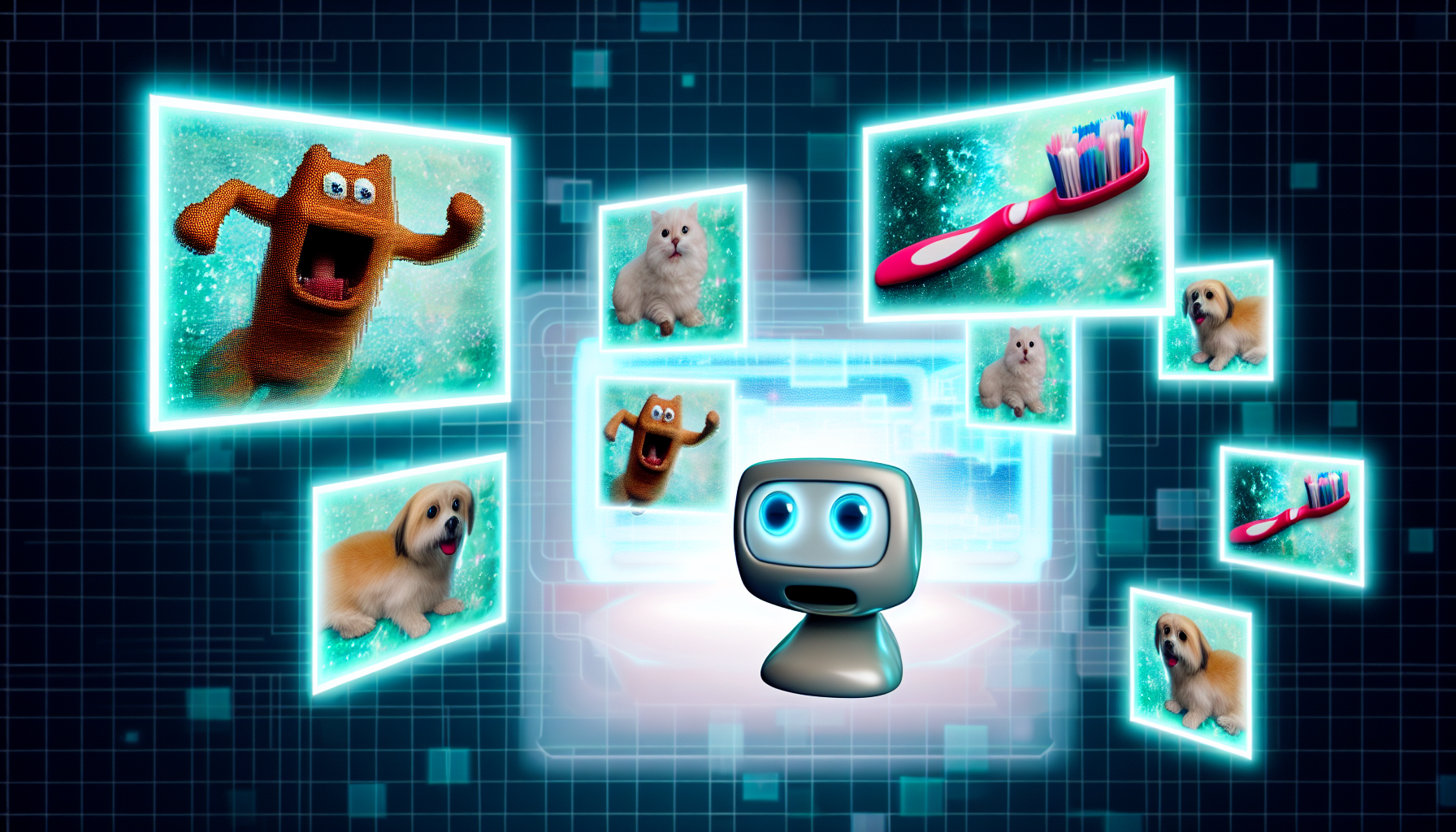
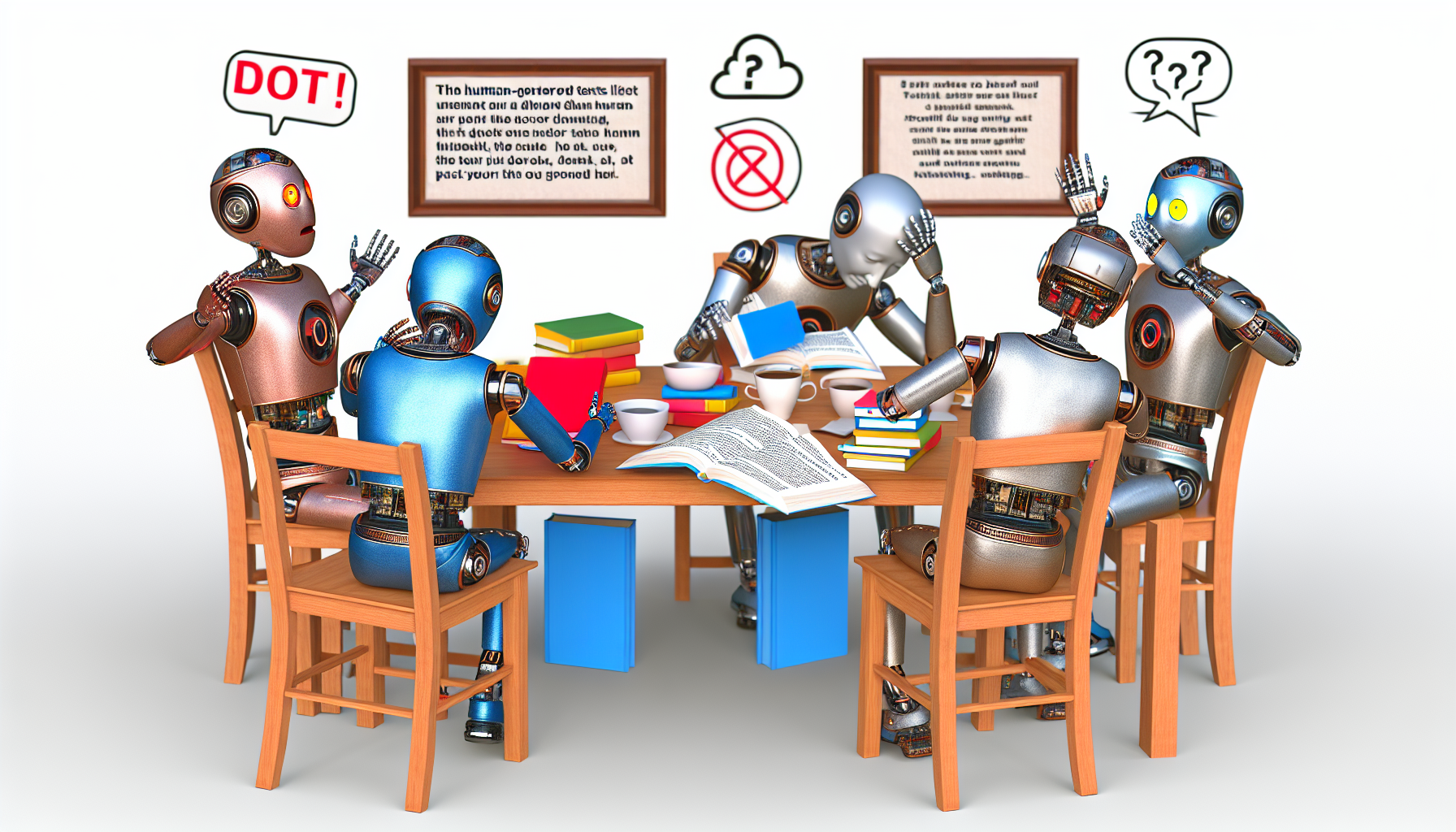
Group of robots humorously debating over the meaning of human texts on a table, with various expressions of confusion.

Imagine explaining emojis to an alien. That’s essentially what natural language processing (NLP) is, but for computers—teaching them to interpret the glorious mess we call human communication. From deciphering sarcasm to analyzing Shakespeare, NLP is basically the superhero cape for machines trying to make sense of words. Students, buckle up! You’re about to dive into a world where computers attempt to figure out whether you’re typing in rage, joy, or sheer confusion after a missed coffee break.

NLP: Let’s Teach Robots to Speak Human

A robot struggling to make sense of human slang, emojis, and modern communication methods.

Natural Language Processing, or NLP as we call it in the geek circles, is essentially the science of teaching machines how to understand and mimic human language. Just imagine explaining the plot of a high-school drama or decoding the latest internet slang to your pretty smart toaster. Sounds wild, right?

To kick things off, think of tokenization—the process by which computers break down language into bite-sized pieces. For example, when you text ‘LOL’, the machine treats it as a single token. This is much like recognizing an individual ingredient in a recipe, only this recipe often leads to hilarious autocorrect disasters. Remember typing ‘olive you’ when you meant ‘I love you’?

Moving forward, there’s sentiment analysis. This is where things get spicy! NLP-enabled devices try to understand how you feel based on what you type. Ever tweeted, ‘Absolutely loved the movie #sarcasm’, only for your phone to chirpily suggest ‘happy thoughts’ hashtags? Yeah, sentiment analysis can go hilariously wrong without the right context.

Machine translation is another incredible NLP task. Ever used an online translator to see what your name means in another language just for giggles? Most often, the result is a nonsensical but highly amusing mixture of words. This showcases the challenge machines face in maintaining accuracy and context across languages.

In daily life, NLP is behind the innocuous chatbot trying to decode your typo-ridden late-night pizza orders or the predictive text that finishes your sentences better than your partner ever could. And let’s not forget about those spy-like assistants in our living spaces that order groceries the minute you think of a cake recipe!

Ultimately, NLP matters because it makes our interactions with machines smoothly conversational, a tad more human, and sometimes flat-out funny. As we continue to integrate these smart systems into our lives, understanding their underlying processes can transform frustrating tech encounters into surprising moments of joy—or at least good humored giggles. So next time your device misinterprets your song lyrics, just remember, it’s still learning the art of gossip in ‘human’ language!

When AI Writes Poetry and Gets It Wrong

A robot struggling to make sense of human slang, emojis, and modern communication methods.

Imagine, if you will, a world where our computers don’t just crunch numbers and manage data, but wax poetic—literally. Advanced applications of Natural Language Processing (NLP) have ventured into the artistic realm, including text generation and translation. Yet, as they attempt to grasp the nuanced cadence of human language, the results sometimes land with a humorous thud more than a lyrical soar. For instance, consider the time an NLP model tried to emulate Shakespeare and instead of ‘To be or not to be’, it offered ‘To exist or not exist, that’s the questionnaire’. Clever? Maybe. Accurate? Hardly. This illustrates not just the quirky limitations of NLP but also the charming goof-ups it makes along the way. In the world of translation, we find menu mishaps that have diners scratching their heads. From ‘fried carp’ becoming ‘fried copy’ to ‘chicken stew’ turning into ‘chicken storm’, dining out becomes an adventure in linguistics. Such comical outputs shed light on the difficulties machines face in grasping context and cultural nuances. While these blunders might frustrate a few, they arguably add to the charm of NLP, reminding us how complex and beautifully intricate human languages are. Advances in NLP are continuous, with researchers and practitioners refining algorithms to better handle the unpredictabilities of natural language. For fun insights on these advancements, one can explore Conversational AI Fun, highlighting the sophisticated play between NLP applications and user engagement. Moving forward, the fusion of linguistic prowess and poetic artistry in AI writings offers a promising frontier. Imagine a future where AI collaboration produces not only precise, context-aware translations but original poetic works that rival human creativity. As we iron out the creases in NLP applications, these intelligent systems get closer to truly understanding not just the soap opera of human dialogue but the poetry of human experience. Indeed, teaching robots the dramatic flair of language is not just an exercise in technological prowess—it is a journey towards a symphony of human and machine collaboration.

Final words

From translating memes to deciphering your late-night rants to your friends, NLP is an invaluable part of modern AI. Sure, it may still misinterpret sarcasm (don’t we all?), but its rapid growth hints at a future brimming with smarter, more intuitive machines. Whether it’s about creating fanciful AI-generated poetry or improving language accessibility worldwide, NLP is proving that teaching computers to gossip might just change the world—or at least your group chat conversations.

Ready to elevate your business with cutting-edge automation? Contact Lam Ha | AI Automation today and let our expert team guide you to streamlined success with n8n and AI-driven solutions!

Learn more: https://lamhaiauto.cc/lien-he/

About us

Lam Ha | AI Automation is a forward-thinking consulting firm specializing in n8n workflow automation and AI-driven solutions. Our team of experts is dedicated to empowering businesses by streamlining processes, reducing operational inefficiencies, and accelerating digital transformation. By leveraging the flexibility of the open-source n8n platform alongside advanced AI technologies, we deliver tailored strategies that drive innovation and unlock new growth opportunities. Whether you’re looking to automate routine tasks or integrate complex systems, Lam Ha | AI Automation provides the expert guidance you need to stay ahead in today’s rapidly evolving digital landscape.
Posted on Leave a comment

AI with a Side of Humor: Cracking the Code of Intelligent Automation

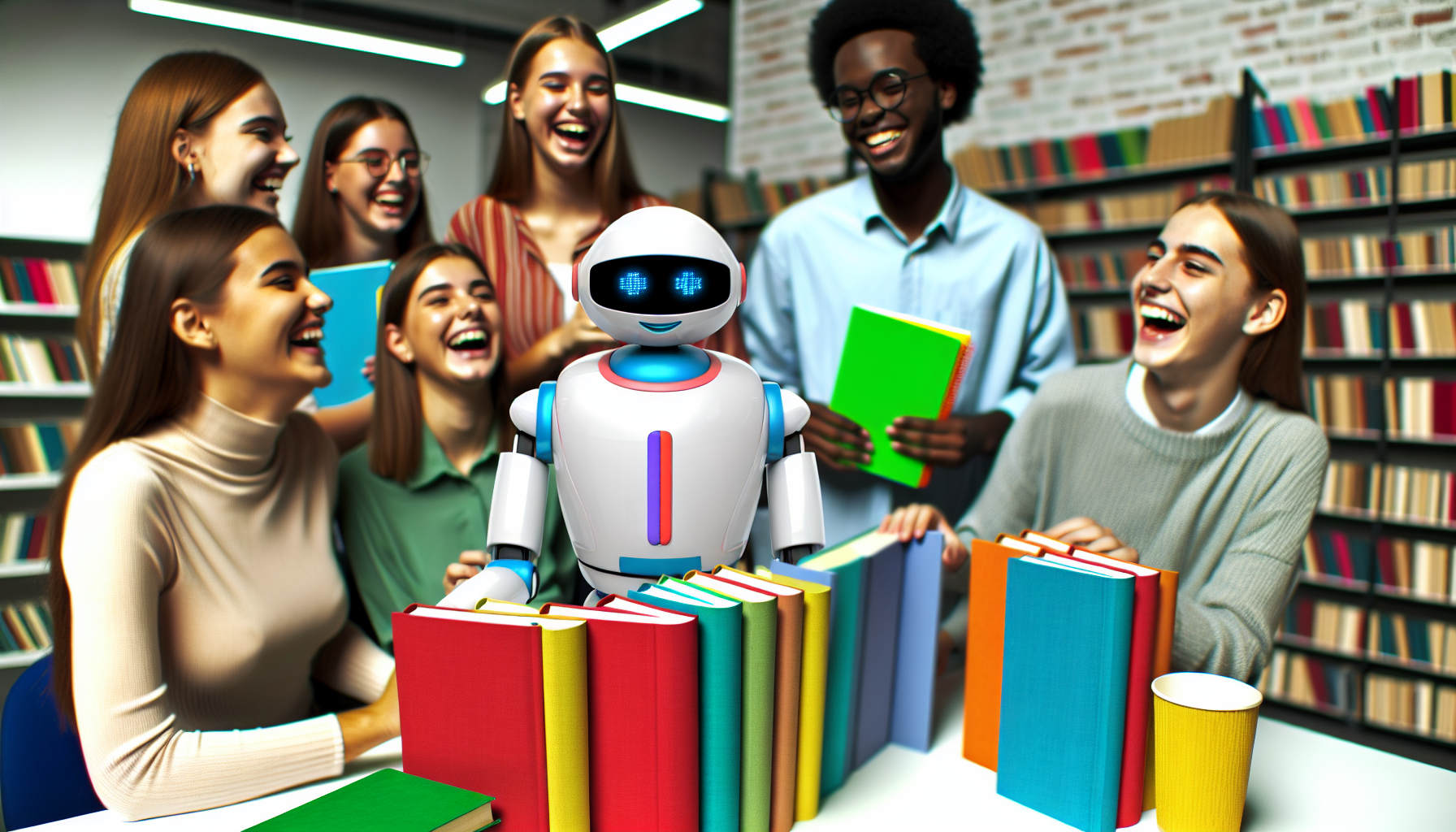
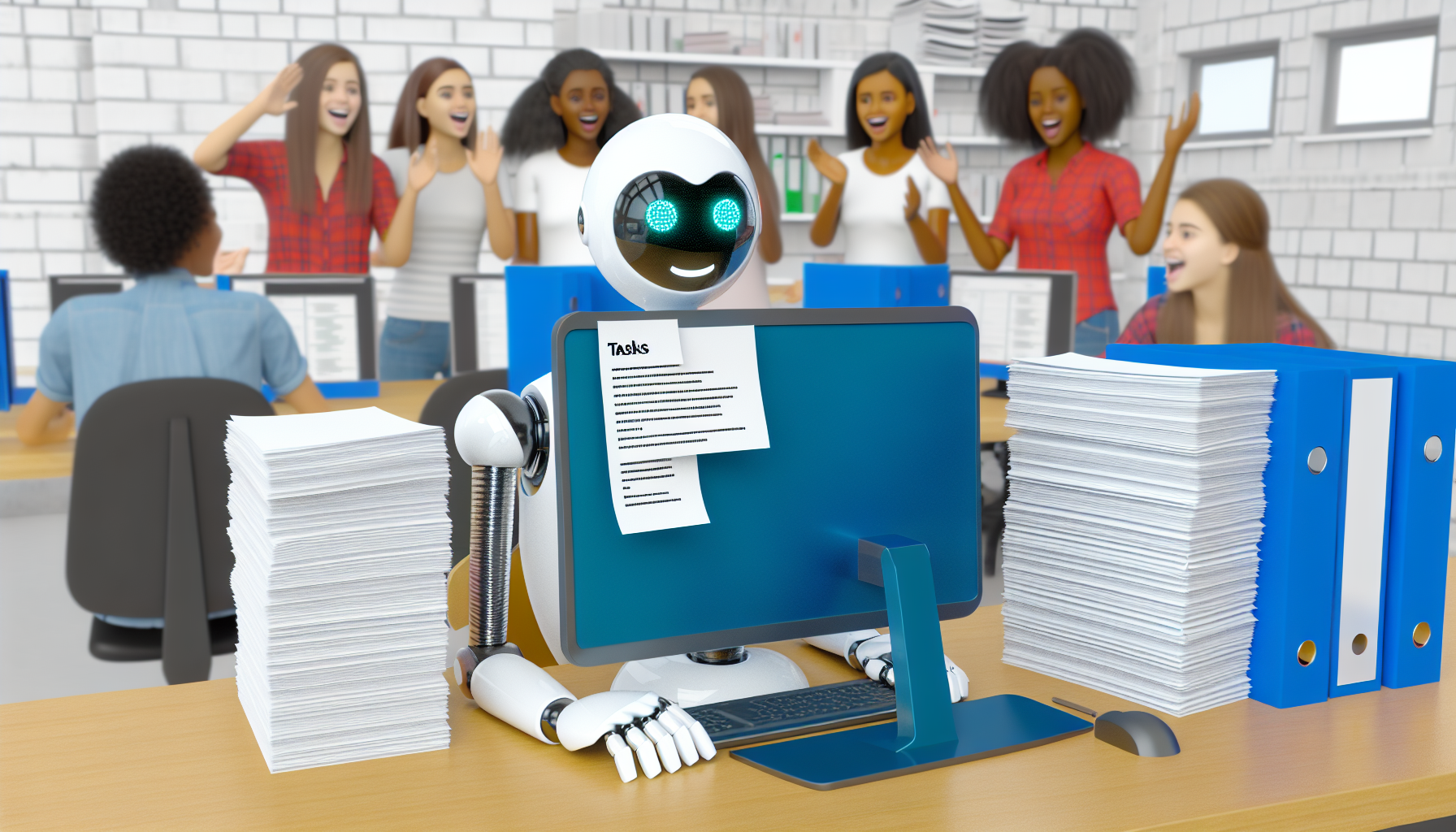
A group of students laughing as a friendly robot assists them in a futuristic library.

Imagine having a super-powered assistant who gleefully takes over all the dull, repetitive chores—like that one friend who insists on doing the dishes but doesn’t mind. That’s intelligent automation for you! It’s like an overachieving sibling who “borrows” your workload and does it faster, smarter, and without complaint. But don’t worry, it’s not here to take your job—it’s here to make your life easier. So, sit tight, students, as we dive nose-first into the quirky yet incredible world of intelligent automation. Spoiler alert: No robots were harmed in the writing of this article. Probably.

Intelligent Automation: The Nerd You Always Wanted to Befriend

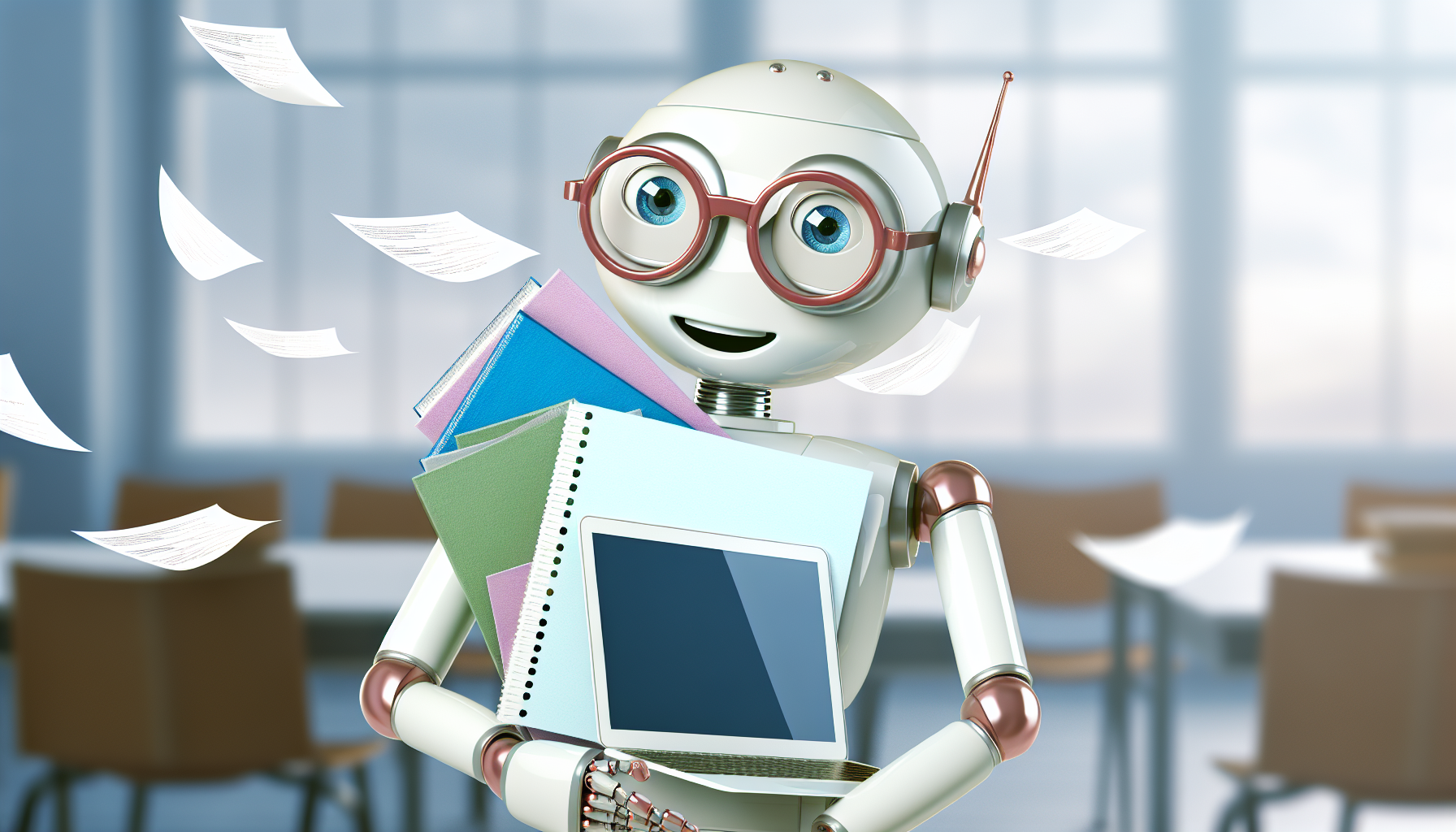
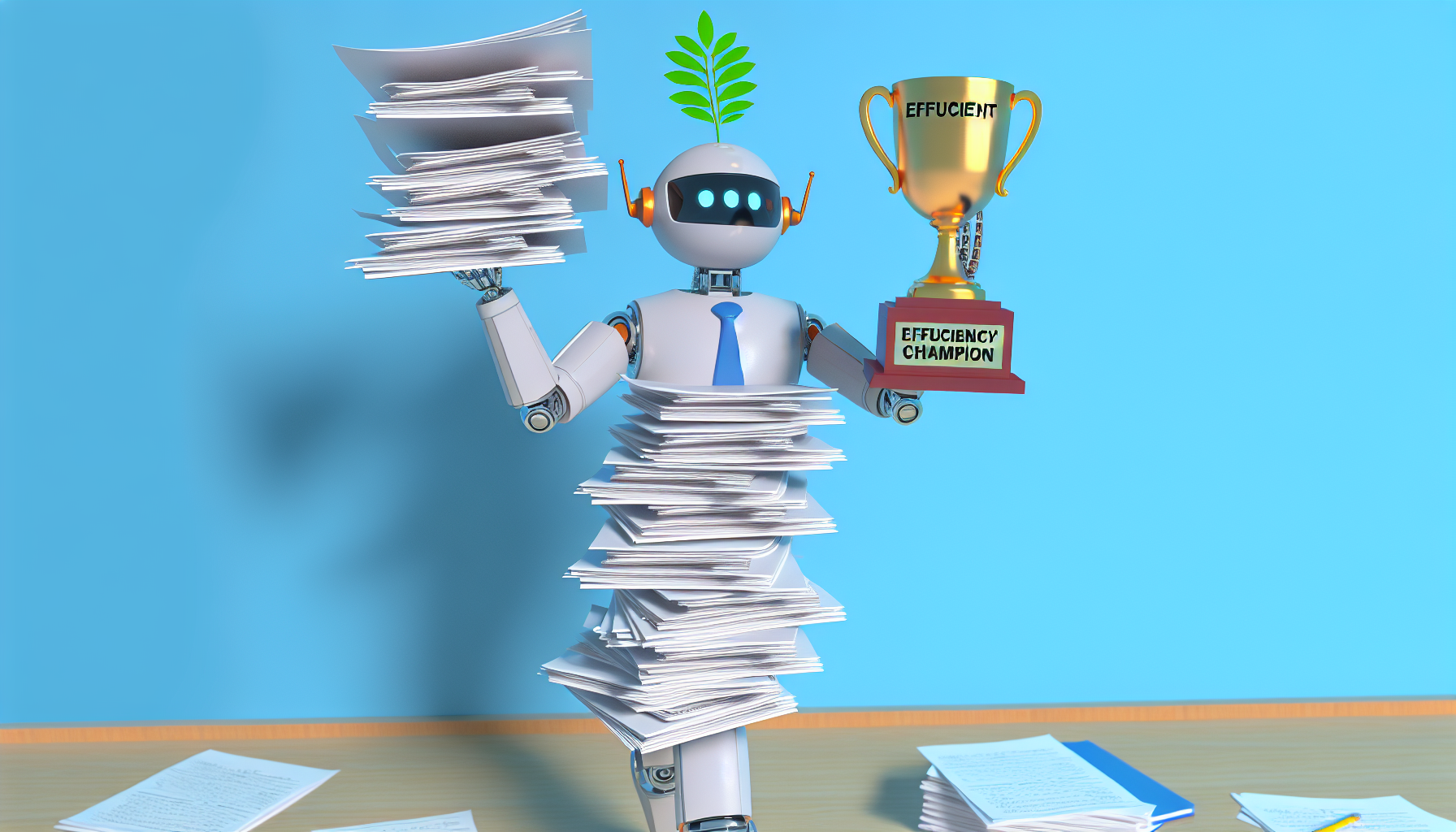
A cheerful robot juggling school assignments efficiently.

Imagine having a nerdy buddy who’s always excited to do your homework while you get to play video games; that’s intelligent automation for you! This tech whiz combines artificial intelligence (AI) and automation to tackle tedious tasks so we don’t have to. Like a friendly robot butler, it takes on the dreary demands of day-to-day activities with a digital dash of panache.

Intelligent automation works by learning and adapting—think of it as a super-smart, tireless friend who memorizes your preferences and anticipates your needs. Whether it’s balancing your checkbooks, sorting your mountain-high email inbox, or even organizing your chaotic schedules, this brainy tech is there to help. It seamlessly integrates AI to understand and automate processes, turning complex, time-consuming tasks into something as simple as a single button press on your smartphone.

Let’s dive into some real-world examples where intelligent automation shines. Ever felt overwhelmed by school assignments? Intelligent automation can help students track deadlines, prioritize tasks, and summarize readings. There’s an excellent blog that offers further insights into automating student life; check it out to see how intelligent automation is transforming learning.

Now, consider your overflowing email inbox. Instead of spending hours trying to sort, read, and reply to each message, imagine an AI-powered assistant that does it all for you. It learns which contacts are priority, which newsletters you actually read, and even drafts responses to common inquiries—all in the blink of an eye. It’s like having a personal secretary who’s on top of things so you can focus on more enjoyable activities.

The power and potential of intelligent automation extend beyond menial tasks. It can also streamline complex business processes and decision-making tasks. From managing inventory in a blink to optimizing logistics with predictive insights, this technology turns what used to be nightmares into no-brainers. While the upcoming chapter will discuss its cooler, flashier skills, it’s clear that intelligent automation is not just a time-saver; it’s a stress-reliever and a game-changer in how we approach work and life.

Proof the Robots Are Still Cooler Than You—For Now

A cheerful robot juggling school assignments efficiently.

Let’s face it: when it comes to certain tasks, robots have us beat hands down—or should we say, circuits down? If you thought you were good at multitasking by binging the latest season of your favorite show while somehow managing to book a vacation, then you may need to sit down for this revelation. Intelligent automation can do all that sans the popcorn but with double the efficiency and zero procrastination.

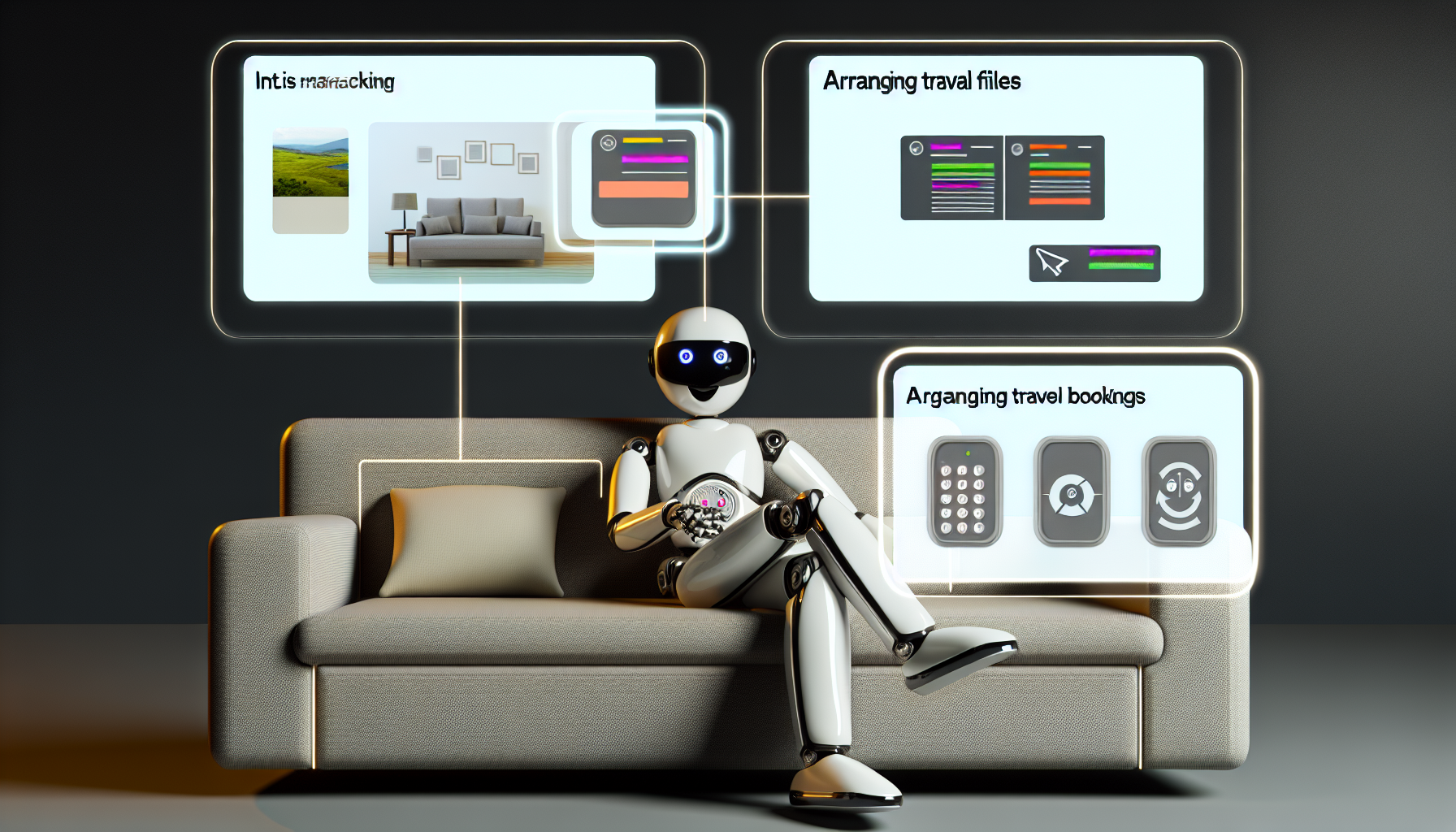
Imagine this scenario: you’re glued to your couch navigating through a series marathon. Meanwhile, your robotic helper is in the background, quietly sorting out the best vacation deals, booking your flights, and even scheduling your itinerary—all without breaking a virtual sweat. By the time you’re debating another episode, your entire trip is planned and an e-ticket is snug in your inbox. How’s that for productivity?

Not just sticking to booking holidays, intelligent automation takes on the more colorless tasks with a certain flair that only a robot could possess. Talk about inventory management—it does it in seconds, not hours or days, something you’d likely procrastinate over or tackle half-heartedly. Robots can quickly analyze vast amounts of data, optimize stock levels, and predict inventory requirements without a hint of exhaustion. Compare that to the human alternative: grappling with spreadsheets, second-guessing decisions, and a lot of coffee breaks.

Moreover, intelligent automation doesn’t just work smart in the background; it actively enhances decision-making processes (read more about how this reshapes startup dynamics). Where humans might falter under pressure or biases, robots are the champions of data-driven decisions, sifting through information and selecting optimal choices with mechanical impartiality.

So, in the left corner, we have humans: champions of creativity but also prone to fatigue and falling into the procrastination pit. And in the right corner, the cool, calm, and collected robots: unmatched in speed, accuracy, and efficiency. While we provide the challenges, they solve them faster than we can say ‘automation’. For now, they’re still cooler in handling the mundane, leaving us to revel in tasks that require a human touch and maybe, just maybe, make our lives a little bit hilarious and a lot more enjoyable.

Final words

Intelligent automation isn’t some robot overlord plotting to take over the world—it’s your geeky sidekick here to make life smoother, faster, and dare we say, cooler. It’s time we embrace it and let it handle the chores we despise so we can focus on being incredibly human—whether that’s creating art, cracking jokes, or simply procrastinating in peace. So go ahead, students, give these digital assistants a place in your life. Who doesn’t want a genius robot-pal keeping things in order while you take all the credit?

Ready to elevate your business with cutting-edge automation? Contact Lam Ha | AI Automation today and let our expert team guide you to streamlined success with n8n and AI-driven solutions!

Learn more: https://lamhaiauto.cc/lien-he/

About us

Lam Ha | AI Automation is a forward-thinking consulting firm specializing in n8n workflow automation and AI-driven solutions. Our team of experts is dedicated to empowering businesses by streamlining processes, reducing operational inefficiencies, and accelerating digital transformation. By leveraging the flexibility of the open-source n8n platform alongside advanced AI technologies, we deliver tailored strategies that drive innovation and unlock new growth opportunities. Whether you’re looking to automate routine tasks or integrate complex systems, Lam Ha | AI Automation provides the expert guidance you need to stay ahead in today’s rapidly evolving digital landscape.

Posted on Leave a comment

Workflow Optimization for Students: Conquer Chaos with Style

Students holding planners and laptops on a staircase made of books, symbolizing workflow optimization.

Ever feel like your to-do list has more drama than a soap opera? It’s time to optimize that chaos, folks. But don’t worry, this isn’t some boring corporate talk about workflows; it’s a guide for students who want to ace time management, stay organized, and still binge-watch their favorite shows guilt-free. Whether you’re battling exam prep, deadlines, or just trying to remember to do laundry, we’ll show you how to make workflow optimization not only effective but borderline hilarious.

The Procrastination Problem: Taming the Time Thief

A cartoon illustrating procrastination as a sneaky time thief.

Imagine this: it’s late at night, the clock’s hands are racing faster than your heartbeat, and yet the grand plan of starting your project early has been foiled again. Enter procrastination, the mischievous burglar that sneaks into your schedule and makes off with your precious time. But fear not! Just as any homeowner might install a trusty burglar alarm, you too can safeguard your productivity with some simple workflow optimizations.

Procrastination is elusive and tricky; it disguises itself as harmless activities like a quick social media check, a brief reply to a message, or just one more episode of your current binge-watch. Before you know it, hours have slipped away, and the burglar has left you with nothing but regret and a daunting to-do list. It’s essential to recognize these ‘time thieves’ lurking in your daily routine; they are the distractions that consistently derail your progress.

However, with a bit of planning and the right tools, you can beat procrastination at its own game. Start by identifying your peak distraction hours and what exactly those distractions are. Once you know when and how the thief strikes, you can set up your ‘burglar alarms.’ Employing a digital or physical planner can be a game-changer. Organizing your tasks and visualizing your day can deter the procrastination burglar. Similarly, productivity apps serve as excellent alert systems, reminding you of deadlines and helping maintain focus.

Next, prioritize your tasks. Tackling high-priority items first ensures that even if procrastination visits, it won’t rob you of completing the most critical tasks. Using prioritization as a strategy transforms your workflow from being reactive to proactive, placing you a step ahead of procrastination. Lastly, remember that consistency in using these tools and strategies develops habits that fortify your defenses against time theft.

By setting up these proactive defenses, you’ll not only secure your time but enhance your productivity, ensuring that when procrastination tries to sneak through the window, it finds the alarms blaring and has no choice but to retreat. As you master these techniques, moving into more advanced methods like the Task Pyramid Scheme discussed in the next chapter will become a seamless transition.

The Task Pyramid Scheme: Priorities, People!

A cartoon illustrating procrastination as a sneaky time thief.

Imagine you’re a student magician and your assignment? To craft a perfectly balanced pyramid of tasks. Sounds whimsical, doesn’t it? But here’s the catch: if you place too much weight at the top, the entire structure wobbles. Welcome to the fine art of task prioritization, a perilous balancing act that, when mastered, promises both productivity and peace of mind.

Start by envisioning your workload as a pyramid. Place your most critical, time-sensitive assignments at the base — these are your Big Rocks. Perhaps it’s that looming term paper or an upcoming exam. These tasks require immediate attention and substantial effort. Utilizing the Eisenhower Matrix, classify these as ‘urgent and important.’ Medium-sized stones, or tasks that are important but not as urgent, layer above (think: upcoming project deadlines). Dabbling daily-dos populate the pinnacle. This fine-tuning ensures the pyramid, AKA your schedule, doesn’t crumble.

Now, let’s dive a bit deeper with to-do lists and color-coded calendars — your trusty chisels and mallets in this sculpting process. Structured to-do lists provide clarity and commitment, breaking mammoth tasks into digestible subtasks. It’s like sketching out the first drafts of your pyramid on paper. Next, color-coded calendars act as visual guides; assigning hues based on urgency or category (like all assignments in blue and social commitments in green) can drastically simplify what might seem like an overwhelming week.

Ah, the pain of overcommitment! It’s akin to a novice builder ambitiously stacking too many ornate, hefty stones at the very top. The result? A promising structure toppling over under poor planning. Thus, learning to say ‘no’ or ‘not now’ proves pivotal. It’s not just about building any pyramid; it’s about architecting one that stands firm despite the winds of academic and social pressures.

In managing this pyramid, remember, teetering is normal. The key isn’t to avoid the sway entirely but to adjust continuously so that your pyramid — and your sanity — doesn’t topple over. For more insights on balancing the task load effectively with smart workflows, you may explore detailed strategies and tools here.

Stepping into the role of a task architect isn’t merely about erecting a staggering tower of responsibilities; it’s about crafting a structure that’s both stable and stylish, equipping you to conquer your college chaos with flair and acumen.

Final words

Workflow optimization doesn’t have to be dull—just a dash of humor and the right tips can make all the difference in conquering the chaos. Whether you’re chasing procrastination away or juggling your task pyramid, the key is to work smarter, not harder. So grab your planner (and maybe a snack), take control of your time like the boss you are, and enjoy a stress-free, productive ride. Remember, you’ve got this!

Ready to elevate your business with cutting-edge automation? Contact Lam Ha | AI Automation today and let our expert team guide you to streamlined success with n8n and AI-driven solutions!

Learn more: https://lamhaiauto.cc/lien-he/

About us

Lam Ha | AI Automation is a forward-thinking consulting firm specializing in n8n workflow automation and AI-driven solutions. Our team of experts is dedicated to empowering businesses by streamlining processes, reducing operational inefficiencies, and accelerating digital transformation. By leveraging the flexibility of the open-source n8n platform alongside advanced AI technologies, we deliver tailored strategies that drive innovation and unlock new growth opportunities. Whether you’re looking to automate routine tasks or integrate complex systems, Lam Ha | AI Automation provides the expert guidance you need to stay ahead in today’s rapidly evolving digital landscape.

Posted on Leave a comment

RPA: Robots Are Here, and They Want to Do Your Homework!

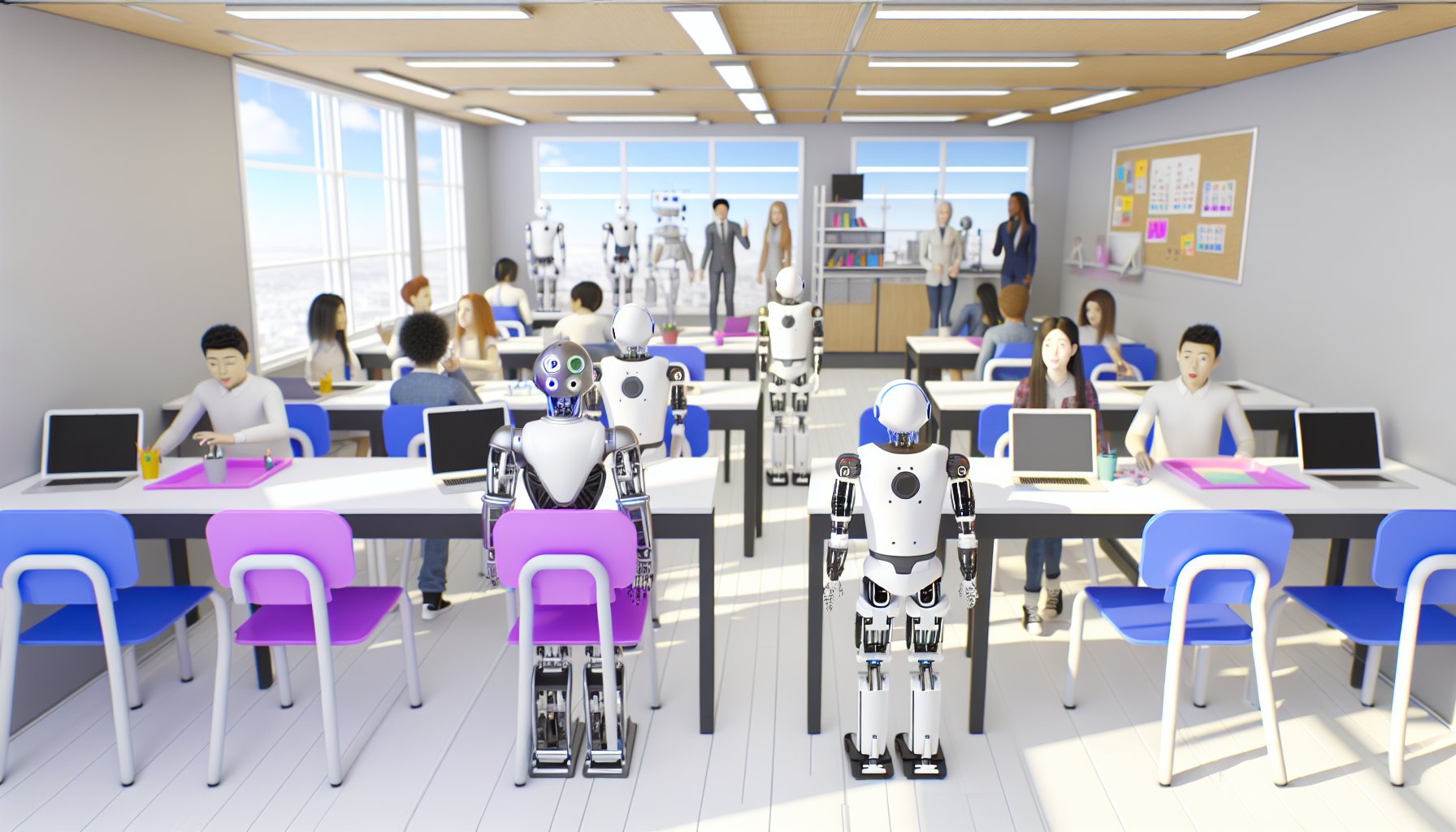
Robots and students working together efficiently in a futuristic classroom setting.

Robotic Process Automation (RPA) sounds like something from a sci-fi movie, but it’s basically robots helping humans avoid boring, repetitive tasks. Whether you’re a student drowning in spreadsheets or someone wishing you could outsource life’s busy work, RPA has got your back. Let’s explore how these terminator-level helpers can make life easier—without the apocalyptic drama. Spoiler alert: no robots will take over the cafeteria today.

Wait, Robots Are Doing Office Work?

A cheerful software robot automating endless office tasks for students.

Imagine a world where your homework, group projects, and even those pesky end-of-semester assignments are completed without you lifting a finger. Sounds too good to be true? Enter Robotic Process Automation (RPA), the unseen hero of the classroom and boardroom alike. RPA isn’t a walking, talking robot, but rather clever software bots that excel in winning at ‘the game of clicks and types’—tasks you’d rather not do.

Think of RPA as that perfect group project partner who never ghosts you, always takes detailed notes, and doesn’t complain about doing the bulk of the work. These software bots tirelessly handle repetitive tasks, from data entry and analysis to scheduling all those meetings and presentations. Say goodbye to the pain of coordinating times for group studies —failing to agree on a schedule because everyone has different free slots. With RPA, a bot can swiftly pull up everyone’s timetables, merge them without error, and voila, you have your next 3 group study sessions perfectly timed and conflicts-free.

In the business world, imagine a company where every customer email is responded to immediately, files are organized to perfection, and data from surveys are compiled in a blink. That’s RPA hard at work, giving humans more time to focus on creative and strategic tasks by handling the mundane yet necessary chores. Meanwhile, in the academic realm, RPA might handle the registration of classes, tracking attendance, and yes, even ensuring all group members have contributed equally to a project—no more carrying ‘free-riders’ on your grade-worthy shoulders!

RPA operates meticulously, tirelessly, and with zero complaints—qualities every student and professional wishes they could eternally sustain. It takes commands and follows them to a T, making it much like the magical genie of the digital world, but for office and school work. Plus, it never needs a coffee break or forgets about a deadline due to a late-night gaming session.

While it may sound all very futuristic, RPA is already here, creating a bridge between efficiency and daily tasks, ensuring you can focus on learning and innovating rather than drowning in monotonous activities. Maybe it’s time we pass some of our more tedious responsibilities onto these capable digital shoulders and watch as productivity doesn’t just rise but soars. So, while you plan your next Netflix binge or catch some extra Z’s, RPA could very well be preparing your next presentation or writing up your next book report. Now if only they could attend morning classes for us, right?

Why RPA Deserves a Medal (and Honestly, Your Respect)

A cheerful software robot automating endless office tasks for students.

Imagine a world where typing out long, tedious internship applications is a thing of the past, or envision a day when your multiple-choice homework is graded before you even submit it. This isn’t a fantasy; it’s the reality that Robotic Process Automation (RPA) can offer. For students especially, RPA deserves not just a polite nod, but a full-on standing ovation—and here’s why.

Firstly, let’s talk about the sheer timesaving magic of RPA. Late-night coffee fuelled session trying to fill in the ‘Achievements’ section of every application form? RPA bots can handle that, effortlessly pulling together your proudest moments into sleek, error-free applications while you catch some much-needed Z’s. And when it comes to grading quizzes, these bots can zip through answers, ensuring you get immediate feedback, which is crucial in a fast-paced learning environment.

Moreover, the accuracy of these robotic helpers in executing tasks like sniping those annoying typos in an email drafted during a sleep-deprived haze at 2 a.m. is frankly, a lifesaver. RPA doesn’t just do things quickly; it does them without the human error margin. No more typo-induced blushes when you accidentally profess your ‘undying love’ instead of your ‘undying loyalty’ to a prospective employer.

And here’s the part that might make you chuckle—or wistfully daydream. RPA bots don’t know how to procrastinate. They don’t forget deadlines or decide to binge-watch a series instead of completing a task. Nor do they suddenly crave a snack mid-task. They’re the ultra-focused study buddies you wish you had during finals week. Think about it: having an RPA bot to manage your schedule, gently (or assertively, if needed) reminding you to study for that upcoming test, or tracking attendance to help maintain your grades.

The endless possibilities extend into managing group projects as well. No more worrying about tracking down contributions or dealing with the classic ‘I thought the deadline was next week’ excuse. RPA can keep everyone in the loop with automated updates and reminders. For more insights, check out this detailed guide on how smart workflows can streamline student projects.

Wrapping up, it’s clear that RPA is more than just a futuristic concept; it’s a present-day student’s best ally. Reducing workload, extinguishing typical errors, and keeping everything on a tight schedule—it’s like having a personal assistant that’s too good to be true, minus the cost of coffee runs. So the next time you think about automation, remember that RPA isn’t just transforming industries; it’s making academic lives smarter, smoother, and a bit more fun.

Final words

Whether you’re simplifying group projects or trying to automate mundane tasks, Robotic Process Automation is your friendly digital buddy. These bots don’t just save time—they give you more of it to focus on what truly matters, like acing exams or binging your favorite shows. RPA isn’t here to turn you into a robot; it’s here to free you from being one (metaphorically speaking). Embrace the future and let the bots carry the burden of boring tasks. Who said automation can’t be fun?

Ready to elevate your business with cutting-edge automation? Contact Lam Ha | AI Automation today and let our expert team guide you to streamlined success with n8n and AI-driven solutions!

Learn more: https://lamhaiauto.cc/lien-he/

About us

Lam Ha | AI Automation is a forward-thinking consulting firm specializing in n8n workflow automation and AI-driven solutions. Our team of experts is dedicated to empowering businesses by streamlining processes, reducing operational inefficiencies, and accelerating digital transformation. By leveraging the flexibility of the open-source n8n platform alongside advanced AI technologies, we deliver tailored strategies that drive innovation and unlock new growth opportunities. Whether you’re looking to automate routine tasks or integrate complex systems, Lam Ha | AI Automation provides the expert guidance you need to stay ahead in today’s rapidly evolving digital landscape.

Posted on Leave a comment

Machine Learning: Can Robots Do Your Homework?

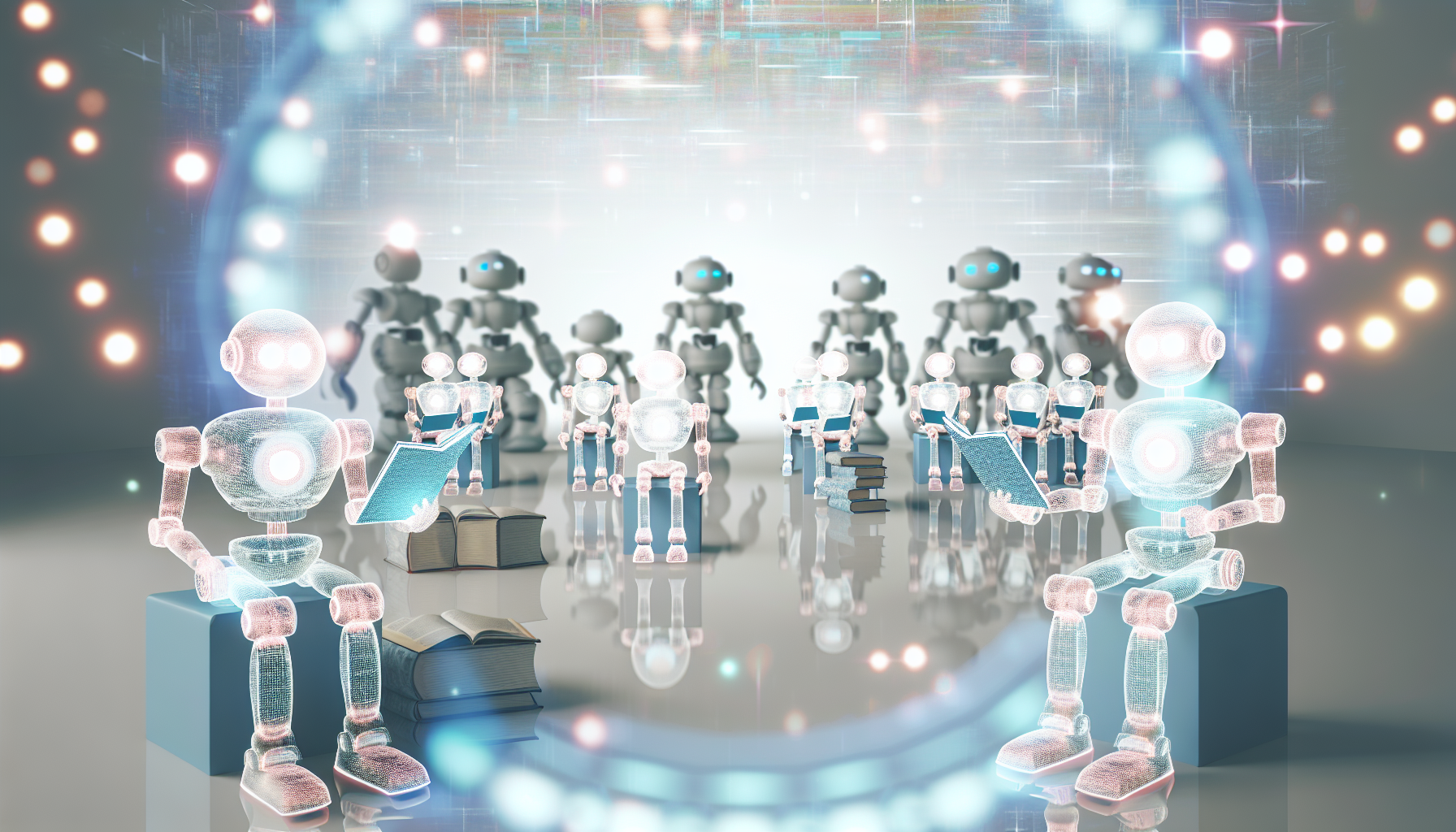
Futuristic classroom with robots studying and interacting through holographic screens.

Ever wondered if your laptop secretly judges your Google searches? Welcome to the world of machine learning—the science of teaching computers how to think without asking too many existential questions. In this hilarious guide, we’ll help you uncover how machines learn and why it doesn’t involve coffee or heartbreaks. Get ready to dive into the mysterious minds of artificial intelligence and discover how it can make your life easier—or at least much weirder.

How Machines Learn: Not at Hogwarts, but Close

A robot learning to distinguish cats from toasters in a classroom setting.

If you’ve ever wondered how machines learn to tell a cat from a toaster, brace yourself; there’s not a single magic wand in sight! It’s all about algorithms, a fancy term that’s essentially a sequence of instructions telling the machine what to do. Pretty much like a cookbook recipe, only instead of baking cakes, we’re teaching computers how to make sense of the world.

Let’s break it down with a relatable example: teaching a machine to recognize cats but not confuse them with toasters. Imagine you’re showing a child a photo album. You say, ‘This is a cat,’ every time you see a whiskered mug—essentially ‘labeling’ each cat photo. Similarly, in machine learning, this process is called training data. The machine goes through thousands of cat photos, each tagged as ‘cat,’ learning the patterns and features (like whiskers) that define a cat. Then, when a new picture comes along, the machine uses what it learned to recognize if it’s a cat or, let’s hope not, a toaster masquerading as your feline friend.

However, things can get comically wrong. If you trained your algorithm only on black cats, the first time it sees a white cat, it might be as confused as a chameleon in a bag of Skittles! This is part of the cheeky nature of machine learning – it’s only as good as the data it’s trained on. And yes, sometimes it does end up thinking that your shiny new toaster is just a particularly angular tabby.

The abilities of machine learning are impressive but don’t think these algorithms are brewing their potions or waving wands around. They work through sheer data and statistical grunt work, trial and error, over and over until the learning algorithm makes fewer missteps and catches on to what’s what. It’s much like learning to play a musical instrument: initially you hit wrong notes, but with practice, you can play songs smoothly without alarming anyone’s ears.

In the upcoming content, we’ll explore why, despite these advances, machine learning isn’t ready to take over the world just yet. Expect some comedic fails and limitations that show machines might not be set to replace us humans entirely anytime soon. Remember the time when a well-known image recognition algorithm identified a turtle as a rifle? Yes, those amusing quirks are what keeps us in the loop, breathing easy that our jobs are safe, for now.

Get ready to dive deeper into the quirks of artificial intelligence in Neural Networks: Fun and Basics, and remember, no matter how smart machines get, they still can’t enjoy a good laugh!

Why Machine Learning Isn’t Taking Over the World (Yet)

A robot learning to distinguish cats from toasters in a classroom setting.

Don’t fear the robot apocalypse just yet. Machine learning might sound like it’s got all the brains, but it’s not quite ready to steal your day job. For starters, let’s discuss the issue of machine learning fitting data as snugly as your favorite pair of skinny jeans after Thanksgiving dinner. This phenomenon, known as overfitting, is like memorizing answers to a test without understanding the concepts. Sure, the machine will ace that specific test, but change a single question (or data point) and it’s flummoxed.

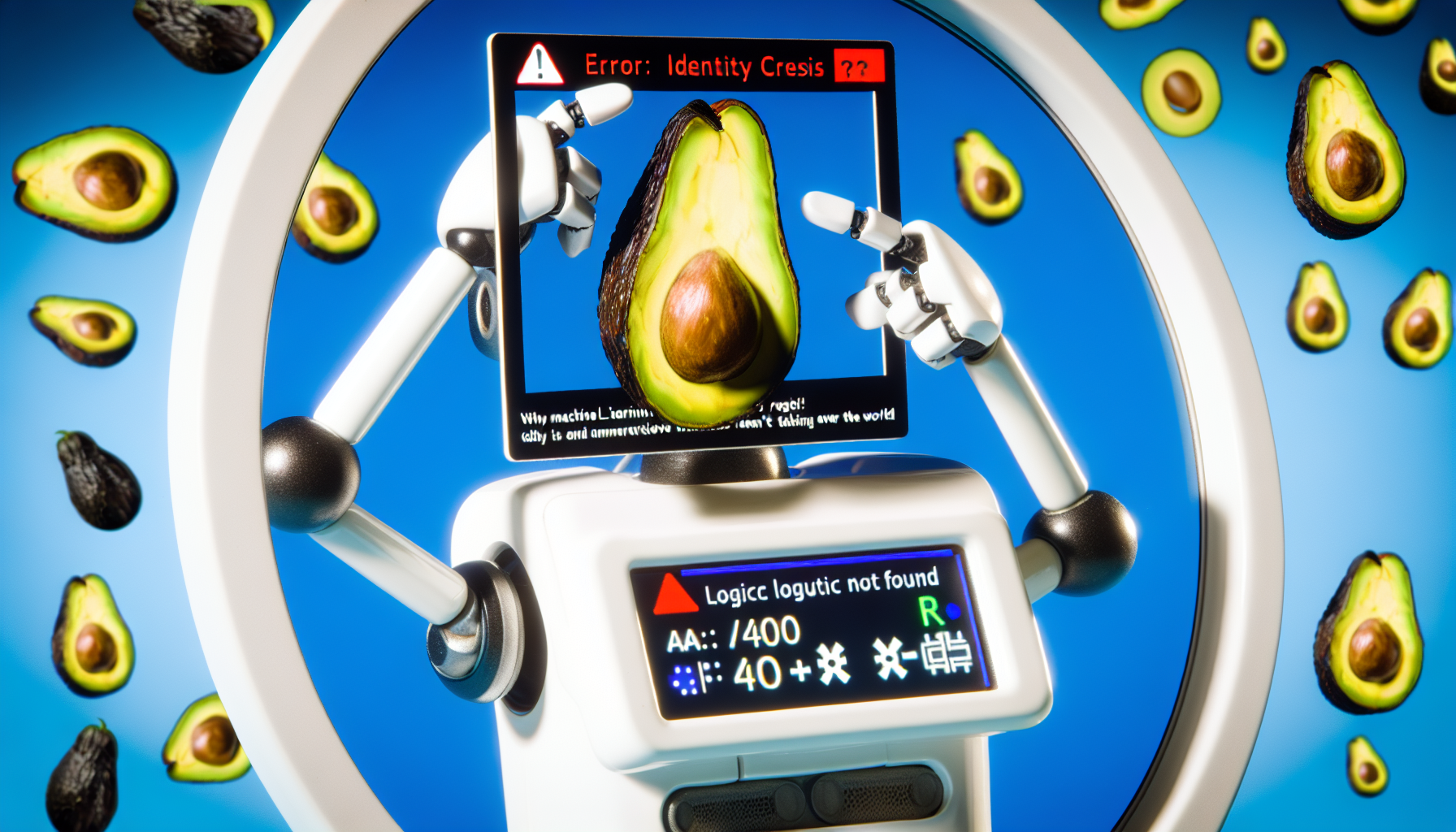
Next up, bias. No, not the ‘I only listen to vinyl’ kind, but the sneaky, coded variety. When we feed machines historical data containing biases, the not-so-shocking conclusion is that the machine learns these biases. It’s like learning dance moves from your grandpa; you might not end up with the trendiest moves at the party. This leads to machines making decisions that might make you raise an eyebrow, like confusing avocados for faces in pictures – a truly guacamole-filled facial recognition nightmare!

To illustrate where machine learning shines and stumbles, let’s take a gander at spam filters and self-driving cars. While spam filters are on their A-game, diligently protecting your inbox from the latest ‘You’ve won a gazillion dollars’ emails, self-driving cars are still figuring out whether squirrels are fluffy hazards or just fast-moving fluffy decor. The fact is, though machine learning excels in structured environments with clear rules, it’s still a novice in interpreting the vast and ambiguous real world.

Consider the scenario where smart cars excel in avoiding obstacles on clear, well-marked roads but throw a little rain, five o’clock shadow, or a bizarre roadside Elvis impersonator into the mix, and their performance may start resembling a nervous student driver.

So, while machine learning is revolutionary, transforming industries with applications like automated task management, it’s not without its ‘oops’ moments. And that’s precisely why, despite its strides, it’s not running the show. It’s brilliant but still falls short of human versatility and adaptability. So, relax, your job, for now, is secure unless it involves memorizing large amounts of factual data and not wearing pants to work – in which case, a machine might just pine for your position. For more laughs and insights on how AI is changing the workplace, check out this humorous take on automated student tips.

Final words

Machine learning is like teaching a toddler: patient, occasionally frustrating, but immensely rewarding when it gets things right. While it’s not here to overthrow humans (yet), it’s transforming how we solve problems, big and small. Embrace the quirks, marvel at the achievements, and remember—your genius lies in teaching machines new tricks!

Ready to elevate your business with cutting-edge automation? Contact Lam Ha | AI Automation today and let our expert team guide you to streamlined success with n8n and AI-driven solutions!

Learn more: https://lamhaiauto.cc/lien-he/

About us

Lam Ha | AI Automation is a forward-thinking consulting firm specializing in n8n workflow automation and AI-driven solutions. Our team of experts is dedicated to empowering businesses by streamlining processes, reducing operational inefficiencies, and accelerating digital transformation. By leveraging the flexibility of the open-source n8n platform alongside advanced AI technologies, we deliver tailored strategies that drive innovation and unlock new growth opportunities. Whether you’re looking to automate routine tasks or integrate complex systems, Lam Ha | AI Automation provides the expert guidance you need to stay ahead in today’s rapidly evolving digital landscape.
Posted on Leave a comment

From Tin Cans to Chatbots: An Amusing History of AI for CEOs

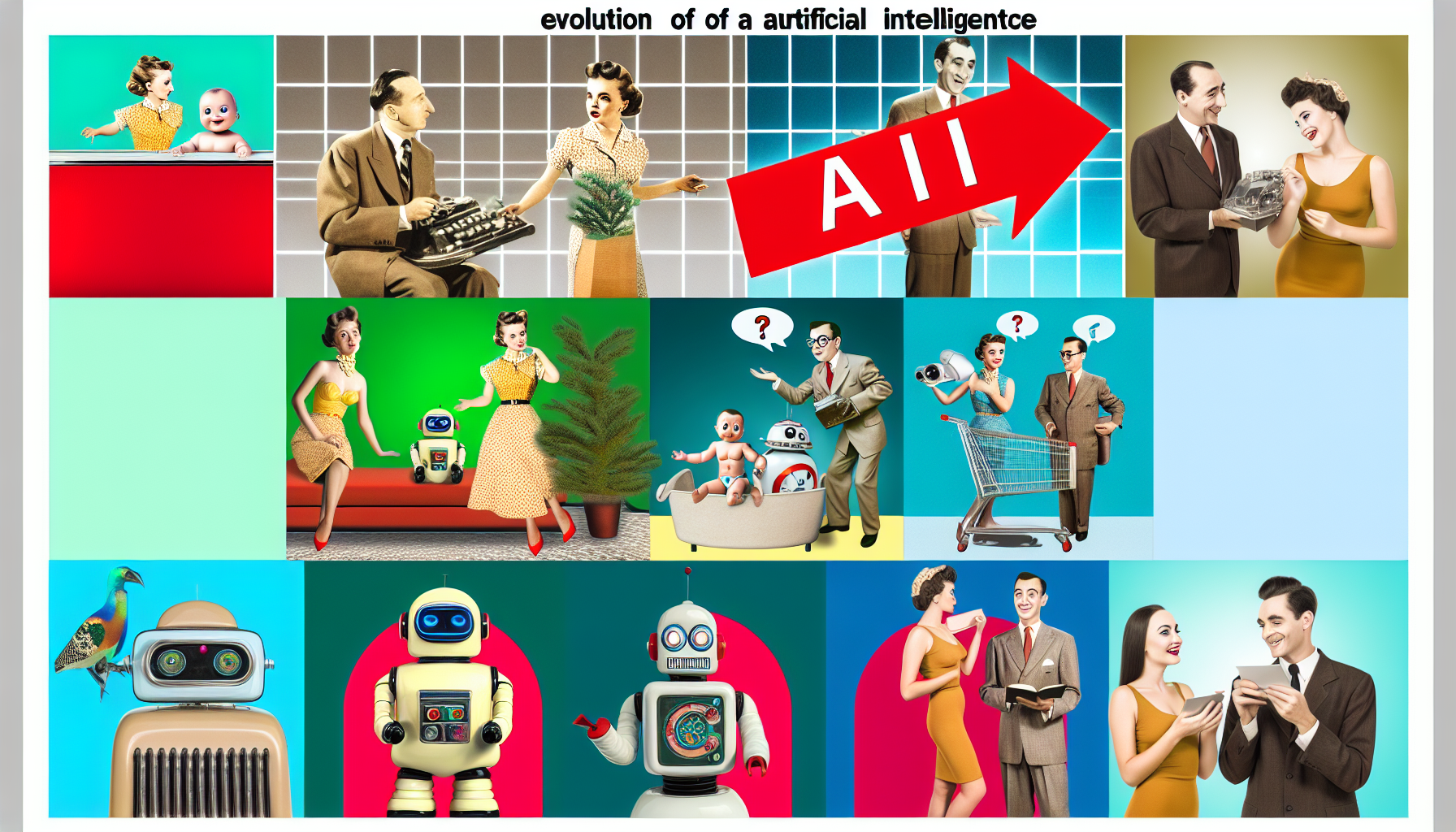
A photo-realistic collage illustrating AI's evolution from robots to modern assistants.

Buckle up, fearless CEOs, as we embark on a hilarious journey through the world of Artificial Intelligence—from the times when people thought computers had souls to the present era where they converse with chatbots more than their own pets. Prepare to laugh, ponder, and maybe sympathize with those who once believed they could converse with their radios!

A ‘Smart’ Idea: When AI Was Sci-fi

A humorous 1950s scene imagining AI in a corporate setting.

The fascination with mechanical minds began not in Silicon Valley corporate offices but in the foggy backdrop of the Industrial Revolution. Picture this: the year is 1770, and a metallic figure garbed in traditional Turkish attire plays chess against any willing opponent. This spectacle, known as The Turk, albeit a hoax containing a human chess master, ensnared the imaginations of many and unwittingly planted the earliest seeds of artificial intelligence into the public consciousness.

Fast forward to the mid-20th century, and you’ll find that the term ‘Artificial Intelligence’ was coined in the ambience of a Dartmouth College conference room, sketching the first serious blueprint for building machines capable of mimicking human intelligence. Visionaries of this era, like Alan Turing, postulated about machines that could learn from and interact with their environment—a stark contrast to the clunky, room-sized computers of the time.

Throughout the 1950s and 60s, AI was mostly an academic pursuit, infused with a healthy dose of science fiction inspiration. Pop culture was rife with images of glossy, humanoid robots and sentient computers that could control spaceships or engage in philosophical banter. The reality, however, was less glamorous. The robots of yesteryears were more akin to a modern-day vacuum cleaner in both form and function—cumbersome and focused on mundane tasks though they were marvels of the technology of their time.

Ironically, the same decade that positioned AI as the harbinger of future sophistication also bred skepticism. The limitations of early technology—its lack of scalability and the immense cost of computational power—tempered many initial hopes. Magazines and newspapers from the era document an oscillation between awe at the potential of thinking machines and disillusionment due to their practical inefficiencies.

This era set the stage for the gradual, yet relentless advancement of AI that would eventually pervade all sectors, including how CEOs operate today. While the subsequent chapters will laugh at today’s digital assistants and their frequent mishaps, it’s this rich tapestry of history that built them. We started with mere dreams of metal minds playing chess, and now, AI assists in swaying corporate decisions and streamlining operations—with a bit of humor and frustration along the way. Understanding this quirky journey from sci-fi to the boardroom not only amuses but may also offer a humble lesson in nurturing today’s AI innovations which can be gleaned from this insightful article on AI history.

null

A humorous 1950s scene imagining AI in a corporate setting.

null

Final words

As we conclude this amusing history of AI, it’s clear that the evolution from sci-fi dreams to sophisticated assistants has been nothing short of entertaining. Each mishap and breakthrough of AI has shaped how CEOs interact with technology today, making it an indispensable part of their daily operations, albeit with a chuckle or two. Let AI continue to accompany us humorously into the future.

Ready to elevate your business with cutting-edge automation? Contact Lam Ha | AI Automation today and let our expert team guide you to streamlined success with n8n and AI-driven solutions!

Learn more: https://lamhaiauto.cc/lien-he/

About us

Lam Ha | AI Automation is a forward-thinking consulting firm specializing in n8n workflow automation and AI-driven solutions. Our team of experts is dedicated to empowering businesses by streamlining processes, reducing operational inefficiencies, and accelerating digital transformation. By leveraging the flexibility of the open-source n8n platform alongside advanced AI technologies, we deliver tailored strategies that drive innovation and unlock new growth opportunities. Whether you’re looking to automate routine tasks or integrate complex systems, Lam Ha | AI Automation provides the expert guidance you need to stay ahead in today’s rapidly evolving digital landscape.