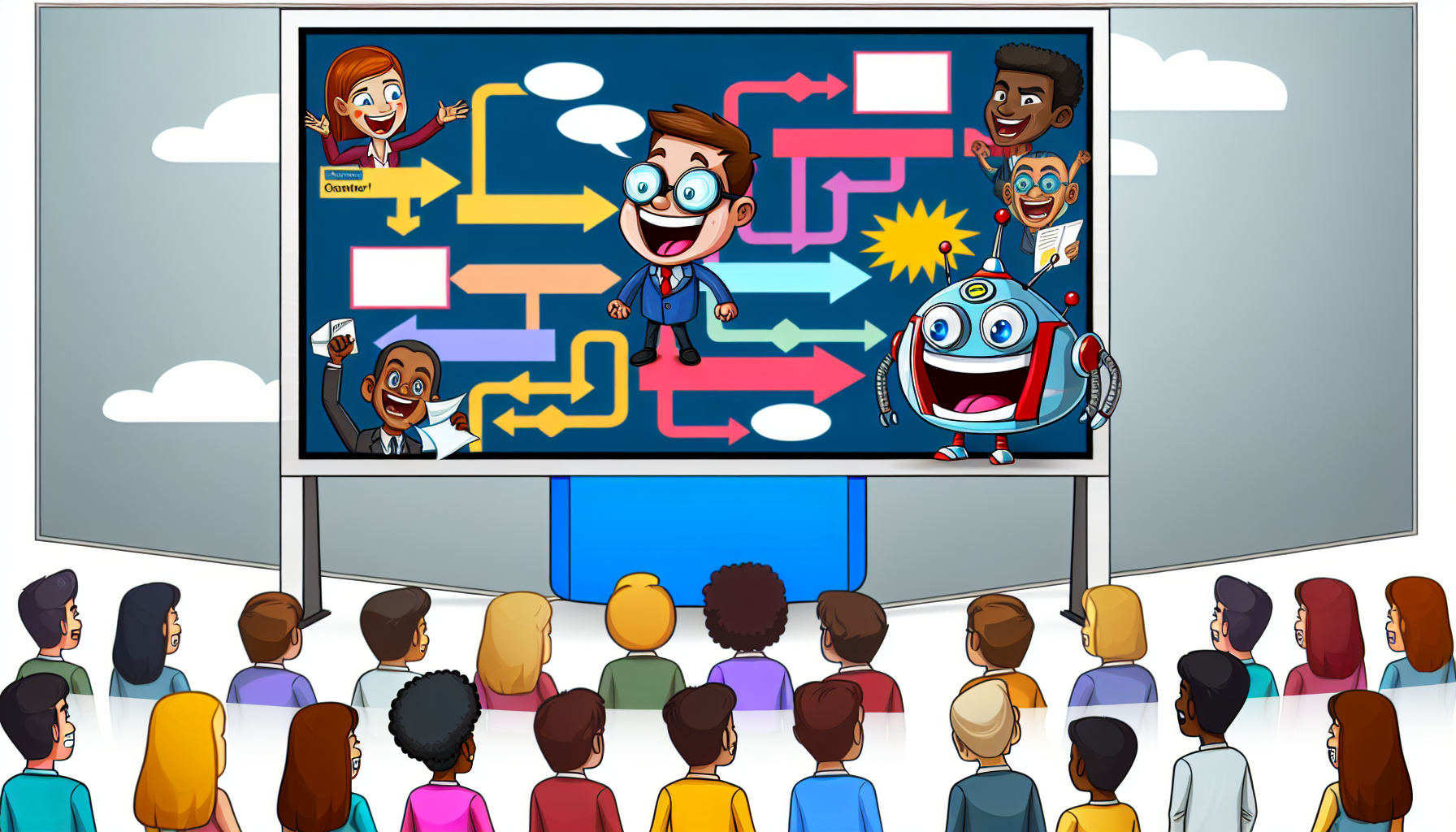
Imagine a world where machines make all the big decisions—like choosing your next move in a chess game or even deciding which cereal you should have for breakfast. Welcome to the realm of algorithmic decision-making, where algorithms, not humans, sometimes have the final say. But fear not; these algorithms aren’t plotting world domination (yet). So kick back, grab some popcorn, and let’s dive into the fascinating, and often hilarious, world of algorithms pretending to be smarter than they really are.
The Algorithmic Soap Opera: Drama in Data
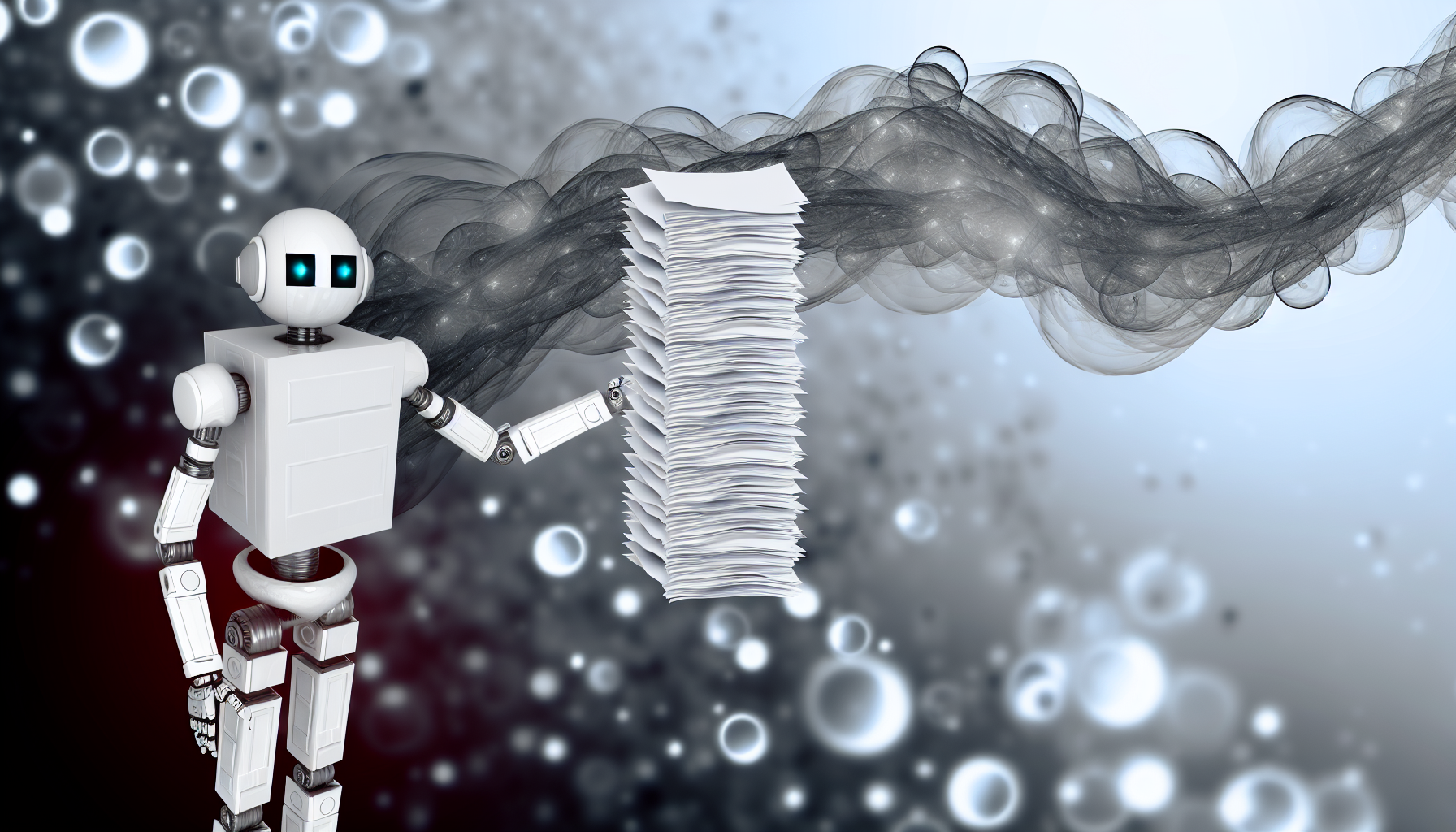
Imagine a scene where a teenager is frantically explaining to their teacher, ‘The robot ate my homework!’ As absurd as it sounds, it’s not entirely impossible in the era of algorithmic decision-making where mistakes, though less about eating paper and more about data digestion, can indeed be quite dramatic.
Algorithms are essentially recipes a computer follows to solve problems by crunching through vast oceans of data. They dissect, analyze, and make decisions based on patterns they’ve been trained to recognize. Sounds straightforward, right? However, just like in any good soap opera, the devil is in the details—or in this case, the data.
Consider this scenario: A group of students inputs their math homework into an algorithm designed to check their answers. Instead of recognizing the number ‘5’, the algorithm hilariously identifies it as ‘S’. Why? Perhaps the handwritten ‘5’ was too artistic, or maybe the algorithm was trained with a dataset that didn’t include enough variety in handwriting styles. The result? The algorithm decides the answer is incorrect, and possibly even suggests that the student should take up calligraphy.
Another example is when algorithms play matchmaker with project groups based on their browsing habits. Imagine it pairing a student who loves cooking videos with someone who only watches sci-fi because it concluded that both involve ‘procedures and experiments’. It’s a whimsical error that might lead to bewilderment, but it might just as well spark a brand new sci-fi script with a culinary twist.
These quirky errors occur because, like humans, algorithms are subject to the biases of their creators and the limitations of their training data. Shedding light on how they crunch this data, algorithms often have to make split-second decisions based on the patterns they spot. To know more about the fun side of AI, you can dive into funny errors made by neural networks.
As these stories showcase, while algorithms have significant capabilities to process and analyze data swiftly, they can also lead to outcomes that, while often humorous, underscore the ongoing challenges and peculiarities in the field of AI. They remind us that despite the leaps in technology, some intricacies of human thought and randomness are hard to capture in data points.
As we conclude this dramatic journey into the errors of algorithms, we set the stage for the next chapter, ‘Dance of the Robots: Algorithms on the Dance Floor’, where we’ll see how these systems adjust and ‘dance’ with new data, often leading to equally amusing scenarios.
Dance of the Robots: Algorithms on the Dance Floor
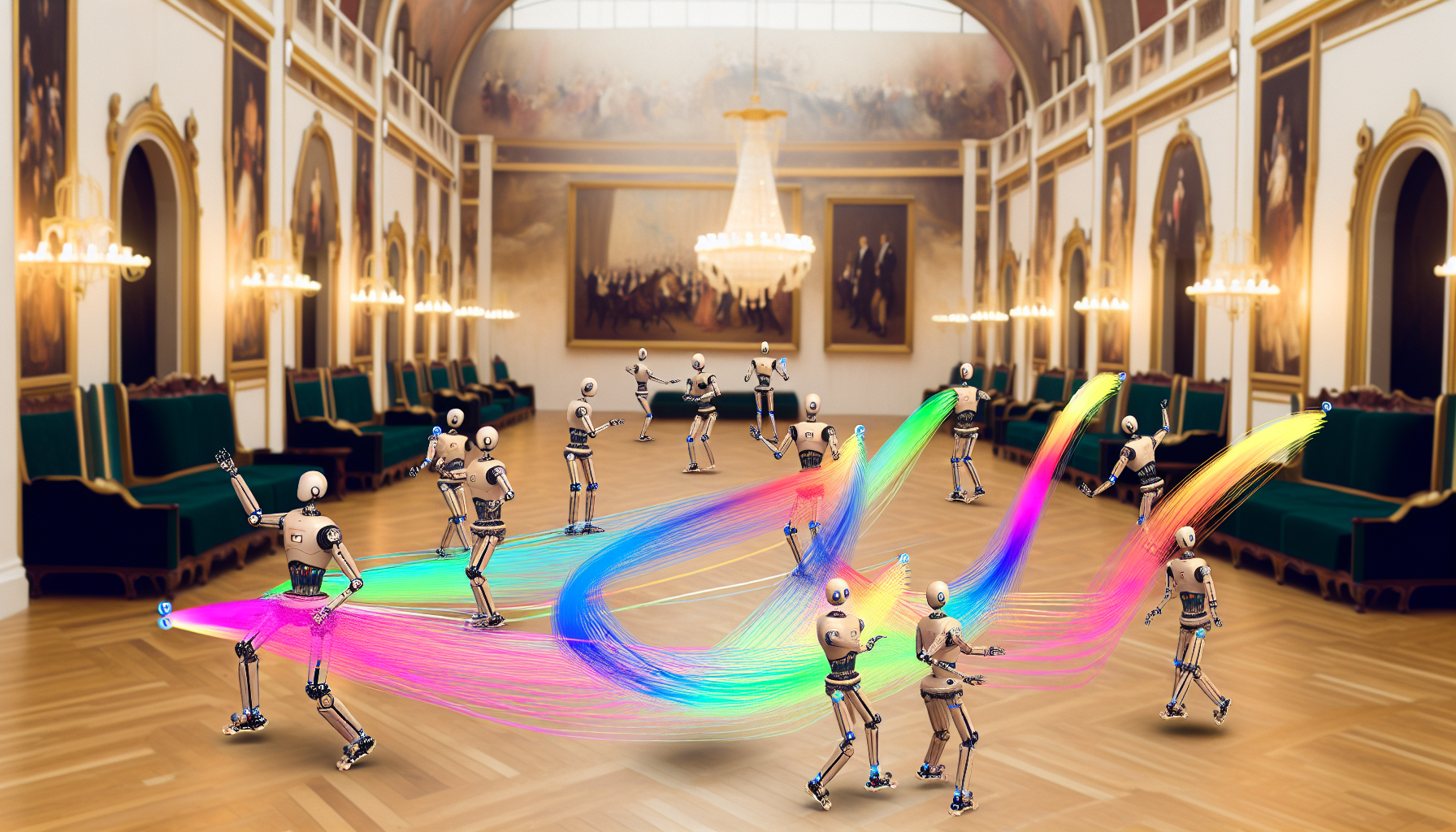
Picture a dance floor where each dancer, instead of relying on rhythm or music, adjusts their moves based on the motions of their fellow dancers. This imagery aptly describes how machine learning algorithms operate and evolve. Just as a dancer observes and responds to their surrounding, algorithms adapt and learn from new chunks of data, continuously improving their decision-making prowess. The beauty—and sometimes the comedy—arises from their iterative and experimental nature.
As algorithms process different datasets, they often make decisions that might seem bizarre at first glance. Consider, for instance, a scenario where heavy metal enthusiasts receive book recommendations about knitting. While the mismatch is humorous, it’s a learning step for the algorithm, akin to a dancer stumbling when trying a new step. These anomalies occur during the ‘training’ phase where algorithms learn the nuances of user behaviors and preferences, which can be as varied and complex as dance moves. This phase is critical as it helps refine the algorithm, enabling it to make more accurate predictions over time.
The process is a statistically charged dance on a floor mapped by data points. Machine learning algorithms ‘dance’ by moving towards optimization – each step, turn, or twirl taken is based on algorithmic calculations meant to enhance performance, just as a dancer adjusts moves to match the rhythm and tempo of music. The ‘music’ algorithms follow is the statistical inference derived from data patterns, guiding them on when to take the next metaphorical step forward. Despite the occasional missteps leading to quirky recommendations, these dances lead algorithms closer to the ultimate goal of accurate predictions.
Let’s not forget, as dancers need practice, algorithms need training data. The richness of data plays a substantial role in how well the algorithm performs. Sparse or biased data can lead similar algorithms to make wildly different ‘dance moves’, like a poorly coordinated dance troupe that can’t synchronize their steps. Therefore, the cultivation of diverse and extensive datasets is akin to learning diverse dance routines; it equips algorithms to handle a broad spectrum of scenarios.
Embracing this perspective of algorithms as dancers, we see their missteps not as failures but as a part of their learning curve—a necessity to master the art of decision-making. Over time, the amusing sight of algorithms recommending knitting books to metalheads becomes less frequent, showcasing their ability to learn, adapt, and ultimately blend into the rhythm of vast and varied human preferences.
For more insights into how these algorithmic decisions might shape industries, check this discussion on the potential impact of machine learning in startups.
Final words
The whimsical world of algorithmic decision-making reveals that while algorithms can guide us using data, they remain far from perfect. With their quirks and gaffes, they remind us of the value of human judgment and the importance of not taking computerized recommendations too seriously. As technology evolves, the balance between robotic decision-making and human creativity will continue to entertain, challenge, and bewilder us in equal measure.
Ready to elevate your business with cutting-edge automation? Contact Lam Ha | AI Automation today and let our expert team guide you to streamlined success with n8n and AI-driven solutions!
Learn more: https://lamhaiauto.cc/lien-he/
About us
Lam Ha | AI Automation is a forward-thinking consulting firm specializing in n8n workflow automation and AI-driven solutions. Our team of experts is dedicated to empowering businesses by streamlining processes, reducing operational inefficiencies, and accelerating digital transformation. By leveraging the flexibility of the open-source n8n platform alongside advanced AI technologies, we deliver tailored strategies that drive innovation and unlock new growth opportunities. Whether you’re looking to automate routine tasks or integrate complex systems, Lam Ha | AI Automation provides the expert guidance you need to stay ahead in today’s rapidly evolving digital landscape.
 English
  Tiếng Việt