Posted on 1 Comment

Smart Workflows: A Student’s Guide to Outsmarting Chaos

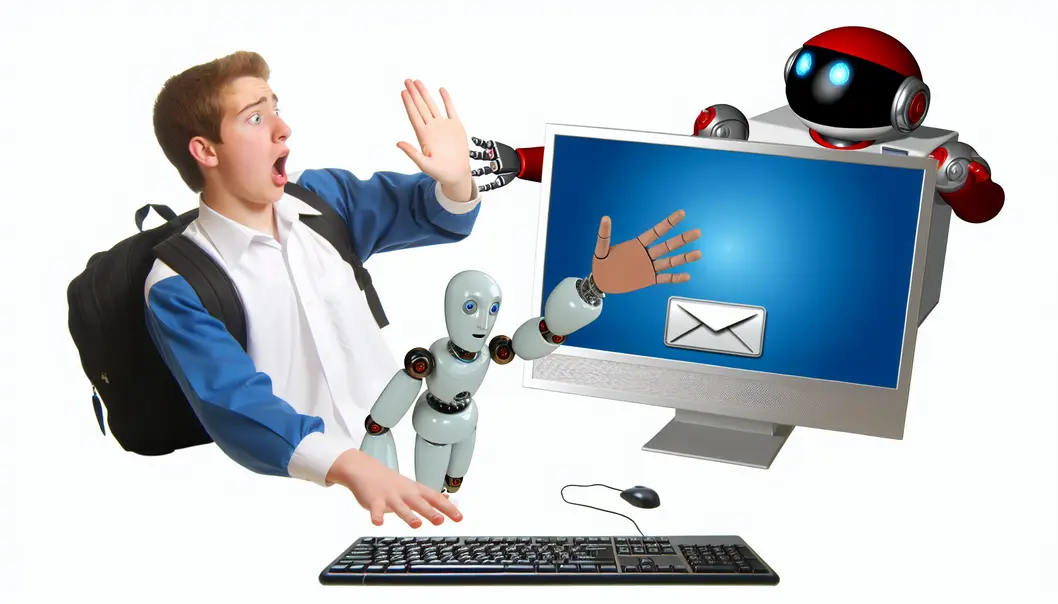
Illustration of students celebrating organized schedules on a computer screen.

Imagine a world where you’re not scrambling to finish assignments, manage group projects, or coordinate schedules. Enter smart workflows: the dazzlingly efficient way to deal with life’s homework and headaches. While it sounds fancy, it’s just a clever system to get things done without losing sleep—and sanity. Students, take notes; we’re about to turn your chaotic routine into an organized masterpiece. Spoiler alert: It’s easier than cramming for finals!

What Are Smart Workflows, and Why Should You Care?

A stressed-out student discovering the magic of smart workflows.

Ever tried juggling oranges, homework, and your sanity all at once? Well, that’s kind of what being a student sometimes feels like, especially when assignments pile up like those unread group chat notifications. Enter the hero of our story: Smart Workflows.

So, what exactly are smart workflows? Imagine having an ultra-organized friend who knows exactly when you have free time, the best times and ways you study, and even gently reminds you—without any judgment—that maybe binge-watching that new show the night before your exams isn’t a great idea. That friend is a collection of routines, tools, and systems that help you handle your educational chaos with ease—a Smart Workflow.

Smart workflows make use of technology to automate and streamline tasks and reminders, making sure you keep to a schedule that doesn’t collide with your last-minute study sessions or that needed coffee break. By having pre-set triggers, like calendar events or preset reminders, these workflows automatically execute tasks that would take up your cognitive space and time, letting you focus more on actually learning something or, let’s be frank, catching some more sleep!

Why should you hop on this bandwagon? Well, picture this: it’s a Thursday night, and instead of frantically typing up an essay that’s due at midnight, you’re chilling with friends—worry-free. Because earlier that week, a smart workflow reminded you to at least start that daunting essay and scheduled shorter, more manageable time blocks to work on it. It’s like having a personal academic planner that doesn’t forget anything, optimizing your efforts, so you don’t have to live in constant reaction mode.

Seems too good? It’s not magic, it’s just maximizing the tools and technology at your fingertips. Making these workflows a part of your student strategy could mean the difference between just surviving through college or really thriving through it. In the next chapter, we’ll dive into How to Create Your Own Smart Workflow and Dominate, offering you actionable steps to tailor your very own life automations—imagine never again being that person running across campus because you forgot an assignment was due.

Until then, consider the power of enhancing your academic and personal life by embracing smarter, streamlined methods that not only help manage your tasks but also anticipate your needs. This way, you step ahead of chaos, possibly with an extra espresso in hand.

How to Create Your Own Smart Workflow and Dominate
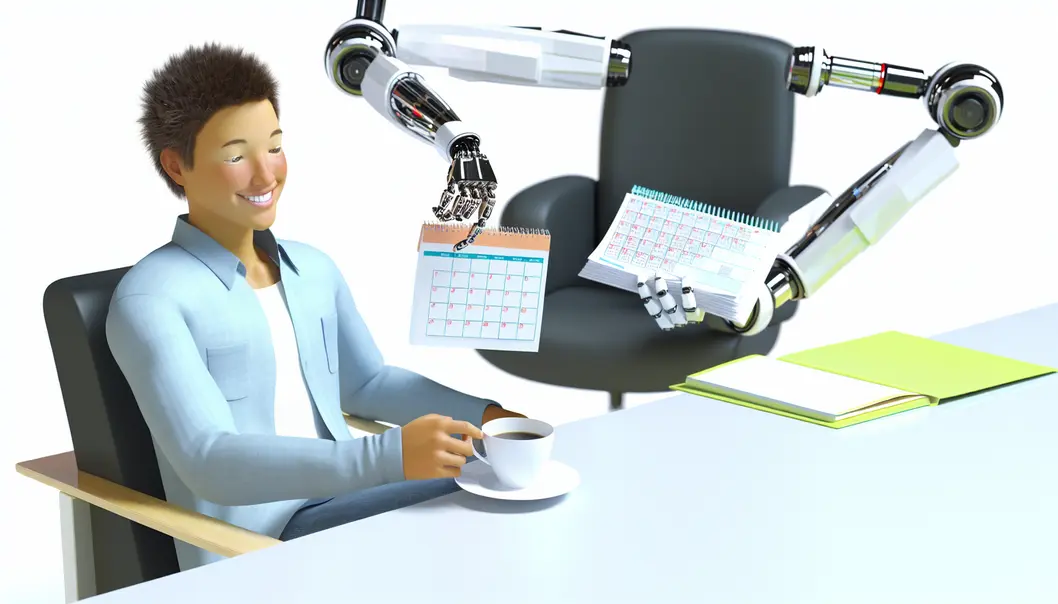
A stressed-out student discovering the magic of smart workflows.

After understanding the cool, yes, cool utility of smart workflows in the chaotic student life in the previous chapters, let’s roll up our sleeves and craft your own automated, stream-lined fighting machine. Think of it like assembling your superhero team, only that superheroes are your apps and weapons are your calendars.

First things first, let’s sync your battle plans with your calendar. Every assignment deadline should automatically find its way into your digital calendar. It’s less magic, more setting up calendar invites the minute you know your deadlines – kind of like setting traps for future-you to avoid that oh-so-familiar assignment amnesia.

Now, onto automating reminders because manually remembering stuff is so 1999. Set up alerts a week, three days, and one day before each deadline. Why have one reminder when you can have an army, right? Each alert should be like your personal alarm clock but less annoying. This keeps you on toes (but in a good, productivity-boosting kind of way). Some might call this overkill, but we call it being prepared.

Harness the power of template wizards. For each type of assignment or project, create a template. Start with a basic outline, fill it up with standard resources, and specific notes for each class. It’s like making a mixtape but instead of love songs, you’ve got killer starting blocks for your assignments.

Organize your reading or study sessions using a scheduling tool. Block out times slots throughout the week dedicated solely to conquering chapters like a boss. Consider this your gym schedule, but instead of biceps, you’re beefing up your brainpower.

Finally, tap into some motivational widgets. Whether it’s a daily quote pop-up or a fancy countdown widget ticking away towards your goals (like summer vacation or graduation), get that visual pep talk going. These little gems serve as not only aesthetic digital decoration but also a mental boost.

Smart workflows aren’t just about staying organized; they’re about creating a personal student strategy that fits seamlessly into your tech-savvy lifestyle. They allow you to tackle your student life with the precision of a seasoned general leading their troops. So march forward, equipped with your digital tools, and dominate each assignment like it’s a thrilling battle to conquer. And if you’re looking to dive deeper into the fun side of automations, check out some quirky tools at Funny Process Mining.

Final words

Smart workflows aren’t just for professionals—they’re a student’s secret weapon. By automating routines and staying organized, you’ll have more time to actually enjoy life (or binge-watch your favorite shows guilt-free). Embrace the magic of working smarter, not harder. Enter chaos-free academia, and let efficiency be your new best friend. Now, go forth and conquer deadlines—you’ve got this!

Ready to elevate your business with cutting-edge automation? Contact Lam Ha | AI Automation today and let our expert team guide you to streamlined success with n8n and AI-driven solutions!

Learn more: https://lamhaiauto.cc/lien-he/

About us

Lam Ha | AI Automation is a forward-thinking consulting firm specializing in n8n workflow automation and AI-driven solutions. Our team of experts is dedicated to empowering businesses by streamlining processes, reducing operational inefficiencies, and accelerating digital transformation. By leveraging the flexibility of the open-source n8n platform alongside advanced AI technologies, we deliver tailored strategies that drive innovation and unlock new growth opportunities. Whether you’re looking to automate routine tasks or integrate complex systems, Lam Ha | AI Automation provides the expert guidance you need to stay ahead in today’s rapidly evolving digital landscape.
Posted on Leave a comment

Autonomous Systems: Robots Who Barely Need a GPS

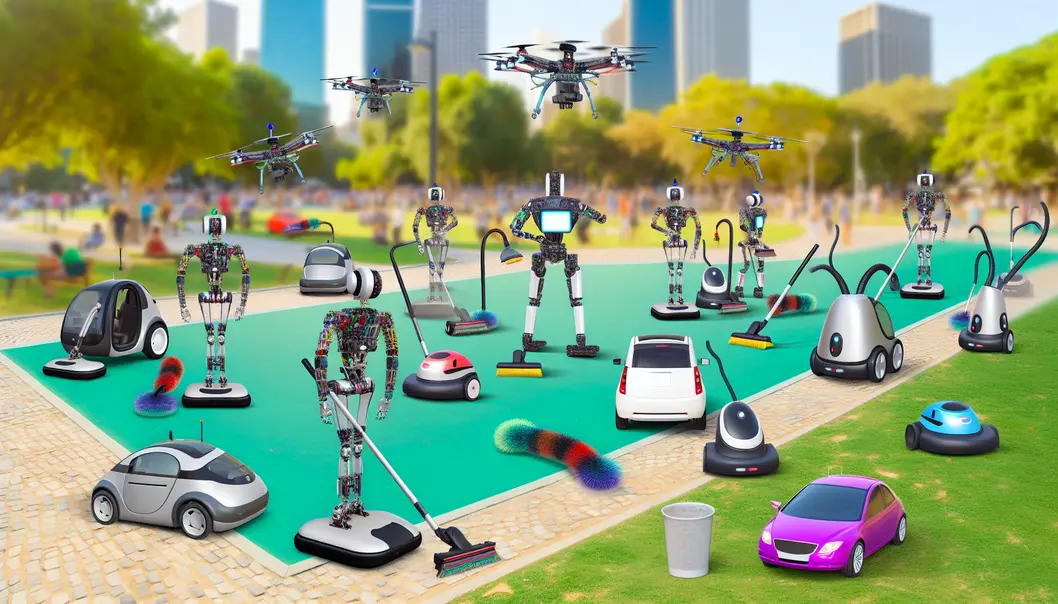
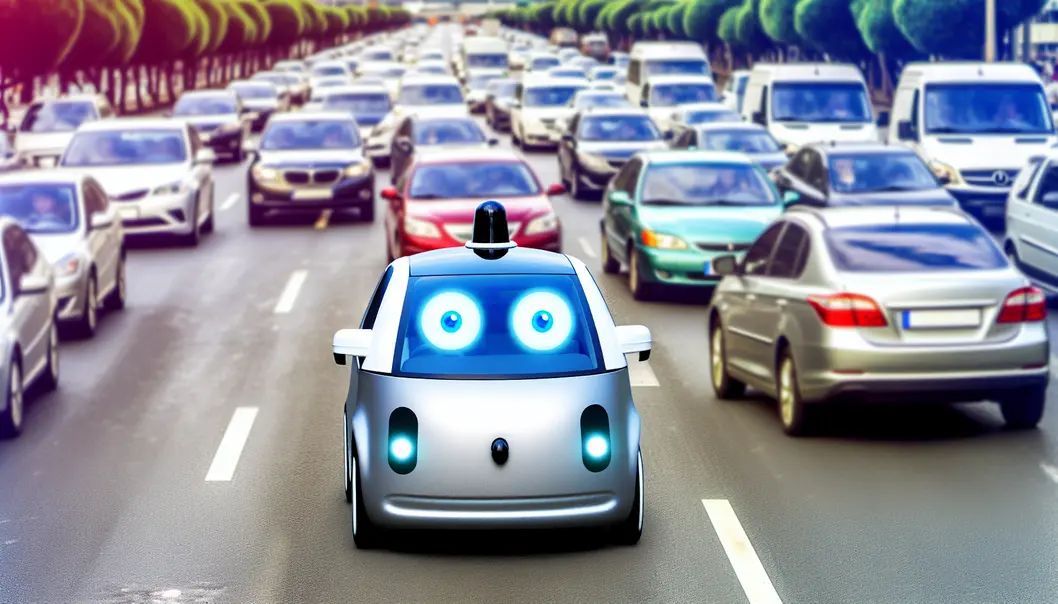
A mixture of autonomous machines like drones and self-driving cars in a city park scene.

So, you thought your robot vacuum was impressive because it avoided your cat? Well, autonomous systems are here to remind us that machines can do more than just clean up fur. From drones that deliver burritos (seriously) to cars that drive like your grandma—safe and slow, these systems are everywhere. Let’s dive into what’s making autonomous systems tick and how they’re gearing up to replace us all (just kidding, slightly).

When Robots Make Up Their Minds: A Decision-Making Extravaganza

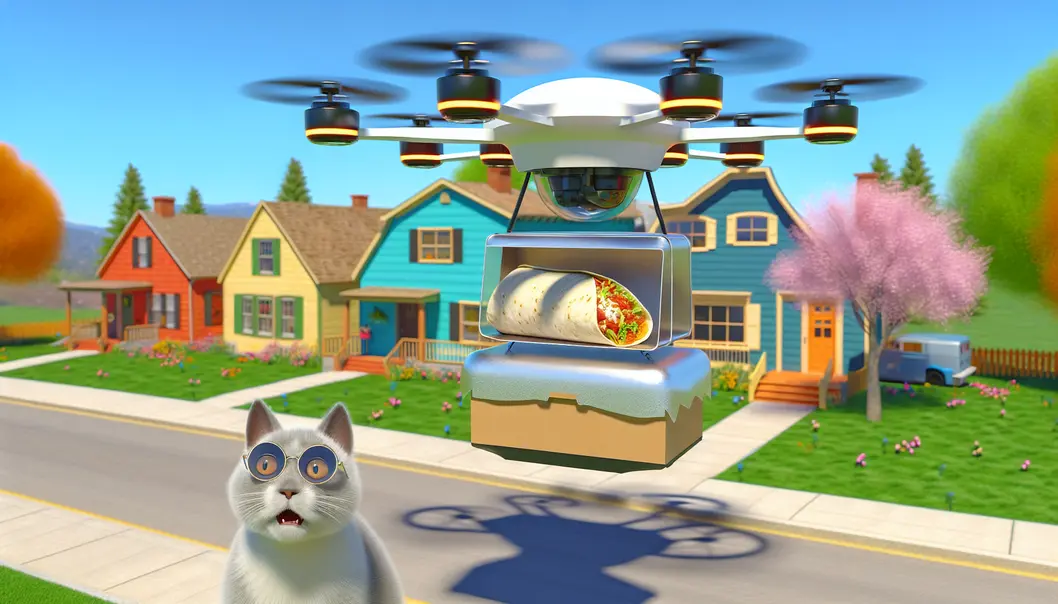
A delivery drone deciding if it’s sunglasses are really necessary.

Autonomous systems possess a fascinating and incomprehensibly agile ability to make decisions independently, a characteristic that’s shaping the future of automation. Picture this: a robot tasked with the simple job of delivering a burrito could choose a drone or, humorously yet unlikely, a cannon! Such scenarios aren’t about futuristic whimsy but are based on very real technologies and the complex ‘thought’ processes of robots.

At the heart of these systems are advanced sensors, which constantly gather data from their environment. This data could be anything from spatial coordinates, nearby obstacles, atmospheric conditions, to even the social context of the delivery location. These sensors act like the robot’s senses, mimicking the human abilities to see, feel, hear, and more, though in a highly sophisticated and often more accurate manner.

From this sensory input, algorithms—essentially the decision-making ‘brains’ of autonomous systems—start their work. These algorithms process the input in real time, comparing it against pre-programmed objectives and priorities. For example, in choosing between drone delivery and a more terrestrial method, the algorithm evaluates speed of delivery, cost, environmental impact, and even customer preference. These aren’t random choices but calculated decisions made through a complex layering of logic, often involving machine learning models that adapt and improve over time.

The multi-tier ‘brain’ of these robots often resembles an onion, with layers upon layers of decision-making protocols that guide each choice. The outer layer may deal with simple navigational decisions, like turning or stopping. Deeper layers might engage with more complex considerations, such as ethical implications or long-term strategic thinking.

Such abilities to make independent decisions in a complex world highlight the blend of technology and what might humorously be called ‘magic dust’. It’s the seemingly mysterious quality that enables machines to perform tasks which, to the casual observer, might seem like decisions based on intuition or even preference, much like a roommate debating between chips or a salad.

Autonomous decision-making isn’t just about the practical and immediate, like delivering your dinner. It involves deeper, more consequential decisions that consider multiple factors and potentially conflicting goals. For instance, should an autonomous vehicle prioritize passenger safety over pedestrian safety? These are the types of questions that push the capabilities of current technologies and require continuous advancements in both hardware and software.

As these systems evolve, the line between human and machine decision-making continues to blur, promising a future where our cars, home assistants, and even large-scale industrial machines may not just serve us, but collaborate with us, making decisions that were once solely the domain of humans.

Self-Driving Cars: The Ultimate Stress-Test for Patience

A delivery drone deciding if it’s sunglasses are really necessary.

As we transition from the intricate dance of decision-making in everyday autonomous systems reviewed in the previous chapter, our journey veers into a special class of autonomy: self-driving cars. These marvels of engineering occasionally traverse the streets with the cautious deliberation akin to a meticulous elder relative—analyzing, pausing, and navigational recalibrating with a patience that would test even a saint.

Self-driving cars are equipped with a robust suite of sensors and cameras that work uninterruptedly to interpret an array of inputs. Their ability to see—an amalgamation of lidar, radar, and optics—creates a real-time, three-dimensional map of the environment. This is not merely a static grasp but a dynamic understanding, continuously updated as the vehicle moves. Unlike traditional GPS maps which show static routes, these cars possess cognitive maps that learn and adapt, making them potentially more intelligent and certainly more current.

Imagine these maps as living entities in the vehicular brain, adjusting predictions and pathways like a seasoned chess player contemplating unforeseen moves. But even with thousands of possible routes at any given moment, what happens if the data feeding this cognitive matrix is flawed? In situations of ‘bad-data’ days, the cars might exhibit hesitations or choose less optimal routes—a mundane reflection of human error in machine form. Nevertheless, advances in machine learning are rapidly reducing these incidences, strengthening the resilience of these systems.

Beyond sight and mapping, communication in the realm of self-driving cars speaks volumes in silence. Utilizing a technique known as Vehicle-to-Everything (V2X) communication, these cars can ‘talk’ to traffic lights, pedestrian crossings, and other vehicles without the need for visible or auditory signals. This silent conversation ensures an efficient flow of traffic and greatly enhances safety for all road users, reinforcing the harmony of shared spaces.

To encapsulate the tranquil experience of riding in a self-driving car, one might liken it to being in a mobile meditation chamber. There’s no shouting at reckless drivers or honking in delays. Every maneuver is calculated with almost Zen-like focus, quietly and unhurriedly, forwarding you to your destination as smoothly as gliding on still water. This calm assuredness in technology’s capabilities brings forth a new era where, perhaps whimsically, roads might become obsolete one day as networks of these autonomous vehicles evolve.

Fortifying our understanding of these machines and their functions help us to appreciate the intricacy and innovation involved. When next you encounter a self-driving car, remember, you’re witnessing not just a vehicle in motion but a sophisticated decision-making system, continually learning from and adapting to its surroundings. For a more in-depth exploration on how such smart systems evolve, consider delving into how neural networks support these decision-making processes.

Final words

There you have it—autonomous systems are not just science fiction; they are the quirky, reliable decision-makers of our future. From sassy drones dodging pets to cars that drive more peacefully than you’ve ever dreamed, they continue to surprise and bewilder us. Now, grab your seatbelt or your drone remote and join the autonomous revolution, because someone—or something—has data to crunch!

Ready to elevate your business with cutting-edge automation? Contact Lam Ha | AI Automation today and let our expert team guide you to streamlined success with n8n and AI-driven solutions!

Learn more: https://lamhaiauto.cc/lien-he/

About us

Lam Ha | AI Automation is a forward-thinking consulting firm specializing in n8n workflow automation and AI-driven solutions. Our team of experts is dedicated to empowering businesses by streamlining processes, reducing operational inefficiencies, and accelerating digital transformation. By leveraging the flexibility of the open-source n8n platform alongside advanced AI technologies, we deliver tailored strategies that drive innovation and unlock new growth opportunities. Whether you’re looking to automate routine tasks or integrate complex systems, Lam Ha | AI Automation provides the expert guidance you need to stay ahead in today’s rapidly evolving digital landscape.
Posted on 1 Comment

The Hilarious Side of Process Mining: Uncovering Hidden Inefficiencies with a Smile

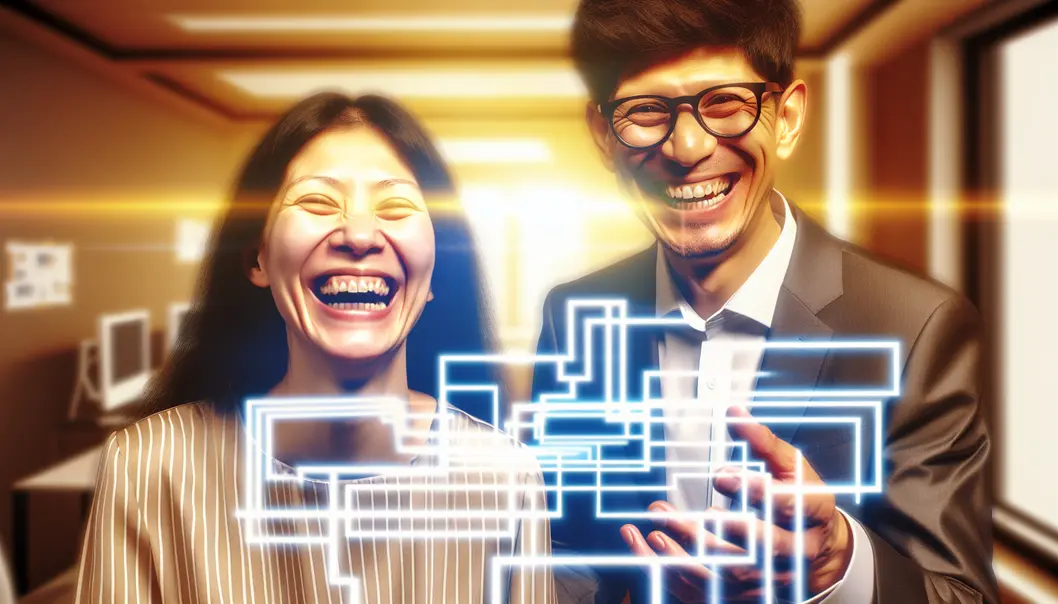
CEO laughing with process flowcharts projected in office.

Ever wondered what your business processes are up to when you’re not looking? Spoiler alert: it’s not a dance routine. Process mining is here to uncover the mysterious, often humorous workings of your company’s workflows. Prepare for unexpected revelations as we explore how process mining can transform inefficiencies into opportunities, all while keeping a smile on your face. Join us as we dive into the comedic world of process mining, where even the most serious of CEOs will find something to chuckle about.

The Tale of the Wandering Sales Order

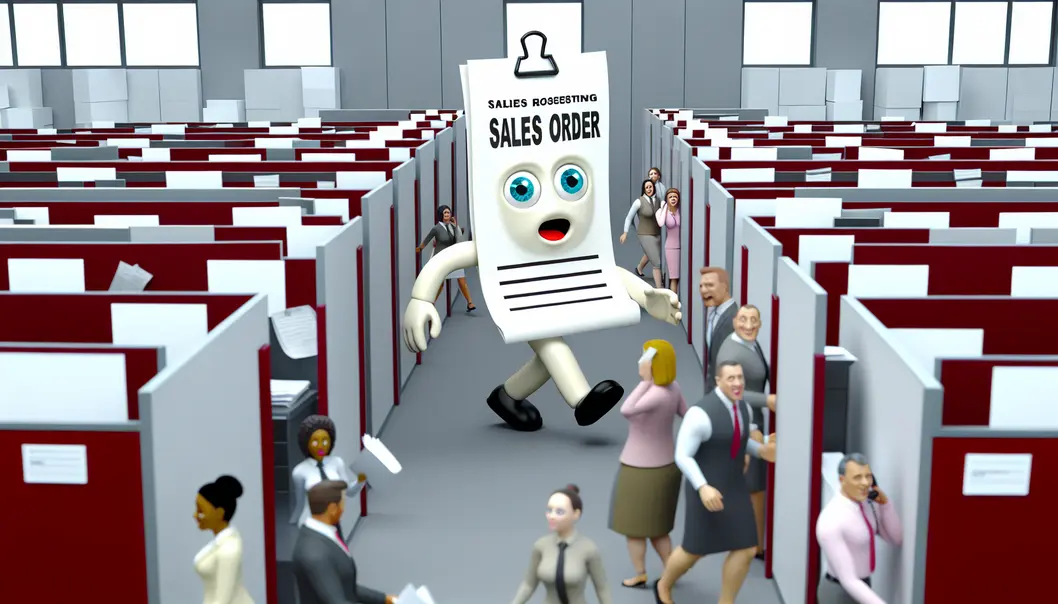
A sales order finding its way through office bureaucracy.

Imagine a sales order that decides to take a scenic route through your organization, visiting every department it finds slightly interesting. This whimsical image might sound charming, almost like a storyline from a Pixar movie. Yet, when a sales order embarks on an unexpected journey through various departments before being fulfilled, one can’t help but cringe a bit at the inefficiencies laid bare. This chapter delves into how process mining uncovers these escapades and nudges your workflow back into a rhythmic dance of automation.

In one instance, a sales order, let’s call him Orderly, generated from the enthusiasm of a promising new deal, starts its journey towards fulfillment. But rather than moving swiftly from sales to production, Orderly gets a bit sidetracked. It finds itself inexplicably in marketing, where it’s mistaken for a customer data form. After a brief stint helping to brainstorm an email campaign, Orderly is routed to finance, confused for a cost estimation sheet. Here, it lounges unnecessarily, partaking in discussions about budget allocations for the next quarter.

Weeks pass, and Orderly is now more of an office artifact than a sales order. With each misrouting, the intended delivery time of the product stretches further into the future, while profitability shrinks. Enter the magic of process mining, akin to a modern-day Sherlock Holmes, unveiling the hidden pathways and bottlenecks, revealing how an order can turn into an office tourist. Using visual flows and data-driven insights, process mining tools can pinpoint exactly where Orderly—and others like him—derail, turning what could be a Pixar comedy into a streamlined narrative.

One striking visualization shows that Orderly spent three times longer in finance than necessary, a discovery that leads to the implementation of more precise routing rules. Automated alerts are now set up to flag any order lingering too long in irrelevant departments. Soon, the sales orders start to resemble well-trained ballet dancers, each step gracefully moving to the next in perfect timing, in line with the rhythm of automation.

By revealing these comedic, yet costly detours, process mining not only recovers lost time and revenue but also injects a dose of humor into the transformation of workflow inefficiencies. After all, laughter could be the best medicine for curing organizational chaos and making your workflow dance effortlessly to the tune of efficiency and automation.

When Invoices Go Rogue

A sales order finding its way through office bureaucracy.

Picture this: a bustling corporate office, keyboards clacking, phones ringing, and amidst this productive chaos, an invoice takes an unexpected vacation, wandering aimlessly between departments, almost telling its tale of corporate misadventure. Let’s dive into a comedic yet educational scenario where process mining stars as the hero making the workflow dance to the rhythm of automation.

In our particular office sitcom, there’s an invoice—a rather mischievous document sodden with figures and due dates—that’s meant to travel from procurement to finance. However, somewhere along the way, it seizes an opportunity to lay low in the less frequented corridors of the Human Resources department. Our HR personnel, puzzled by this unfamiliar paper’s presence, naturally decide it’s a miscue or an inter-departmental prank. Meanwhile, procurement and finance are in a dizzying tussle, blaming one another for dropping the proverbial baton.

Enter the art of process mining. This nifty tech isn’t just for identifying bottlenecks or predicting future irregularities; it’s excellent for pinpointing exactly where Mr. Invoice decided to slouch on a couch (if office couches could talk!). Using real-time data and historical process patterns, process mining tools provide compelling visual flow charts that track the invoice’s unexpected journey.

What’s more, by highlighting the deviation from the standard path, these tools usher in a game of corporate hide and seek where everyone is suddenly a player. The visual nature of process mining outputs makes the scenario less of a brow-furrowing problem and more of a treasure hunt—a collective quest to find where the invoice has camped.

Ultimately, the visual maps generated by process mining allow for a structured diagnosis of the issue. It paves the way for setting up automated checkpoints at critical junctions in the workflow. For instance, notifications can be sent out if an invoice—or any document for that matter—takes too long at one spot or inexplicably changes its course. These checkpoints act like virtual boundary sensors keeping each component of the processes in check, ensuring even if one element goes on a rogue adventure, it’s quickly guided back on track.

Through humorous internal communications enhanced by automated alerts and live process tracking, the entire episode turns into a collective, enlightening experience. Employees from different departments communicate more effectively, understanding the roles and flow of documents throughout the enterprise. It turns a potentially frustrating mishap into a team-building episode, fostering a deeper appreciation for the procedural tapestry that holds an organization together.

By addressing the wayward wanderings of documents like our infamous rogue invoice with humor and strategic automation provided by process mining, companies not only correct present inefficiencies but also inoculate their systems against future procedural anomalies, all while keeping the work atmosphere light and engaging.

Final words

Process mining may not be able to turn you into a stand-up comic, but it can certainly help you avoid being the punchline of inefficiency jokes. By uncovering and rectifying hidden issues in your workflow, it transforms complexity into clarity. So, dust off those dusty processes and give them a new lease on life. Who knows, you might uncover efficiency gains and have a laugh or two along the way!

Ready to elevate your business with cutting-edge automation? Contact Lam Ha | AI Automation today and let our expert team guide you to streamlined success with n8n and AI-driven solutions!

Learn more: https://lamhaiauto.cc/lien-he/

About us

Lam Ha | AI Automation is a forward-thinking consulting firm specializing in n8n workflow automation and AI-driven solutions. Our team of experts is dedicated to empowering businesses by streamlining processes, reducing operational inefficiencies, and accelerating digital transformation. By leveraging the flexibility of the open-source n8n platform alongside advanced AI technologies, we deliver tailored strategies that drive innovation and unlock new growth opportunities. Whether you’re looking to automate routine tasks or integrate complex systems, Lam Ha | AI Automation provides the expert guidance you need to stay ahead in today’s rapidly evolving digital landscape.
Posted on Leave a comment

Talking Tech: When AI Chit-Chats

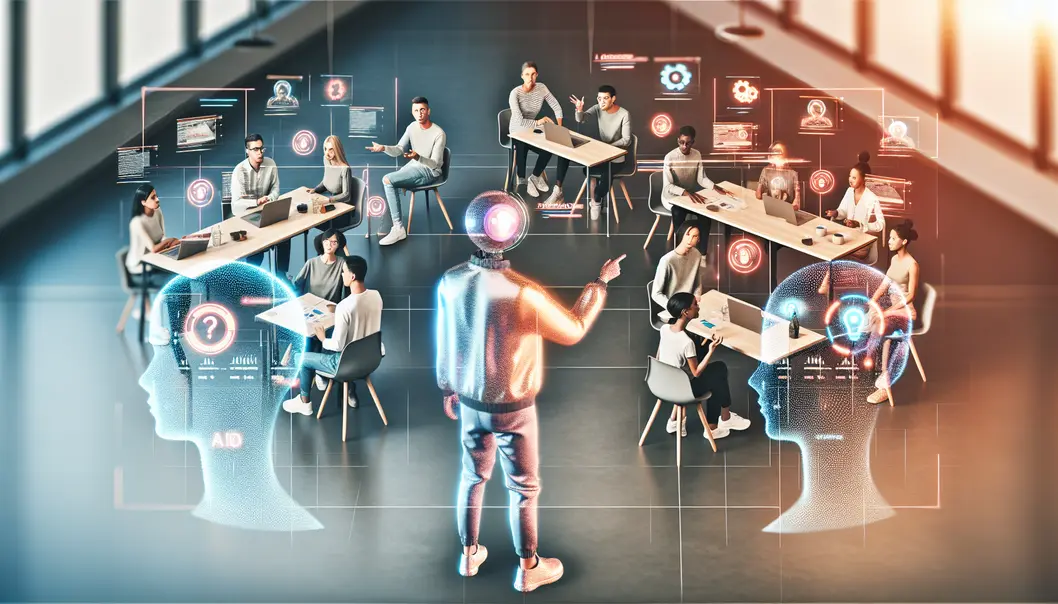
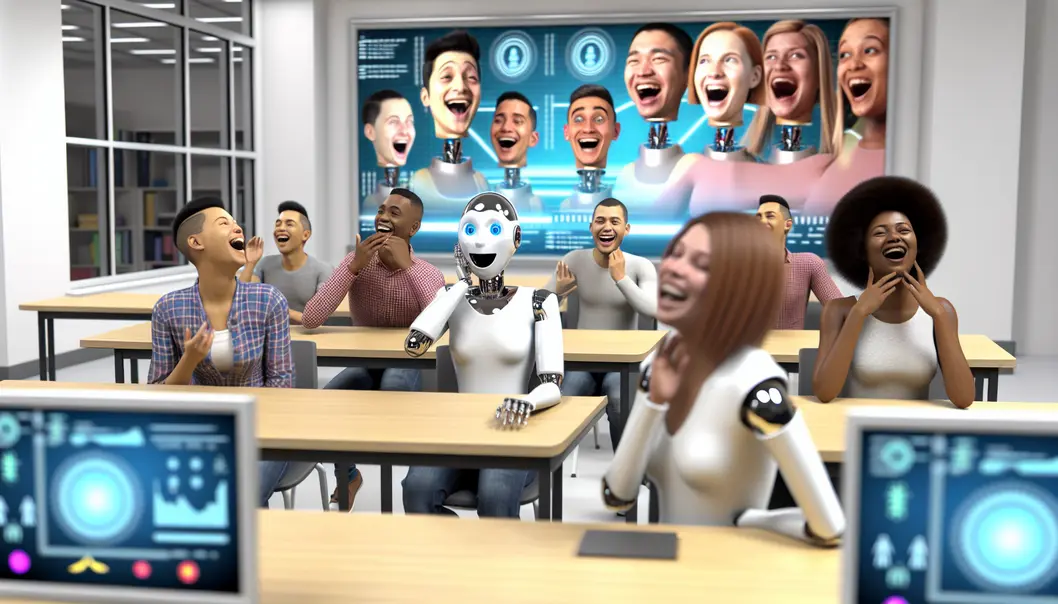
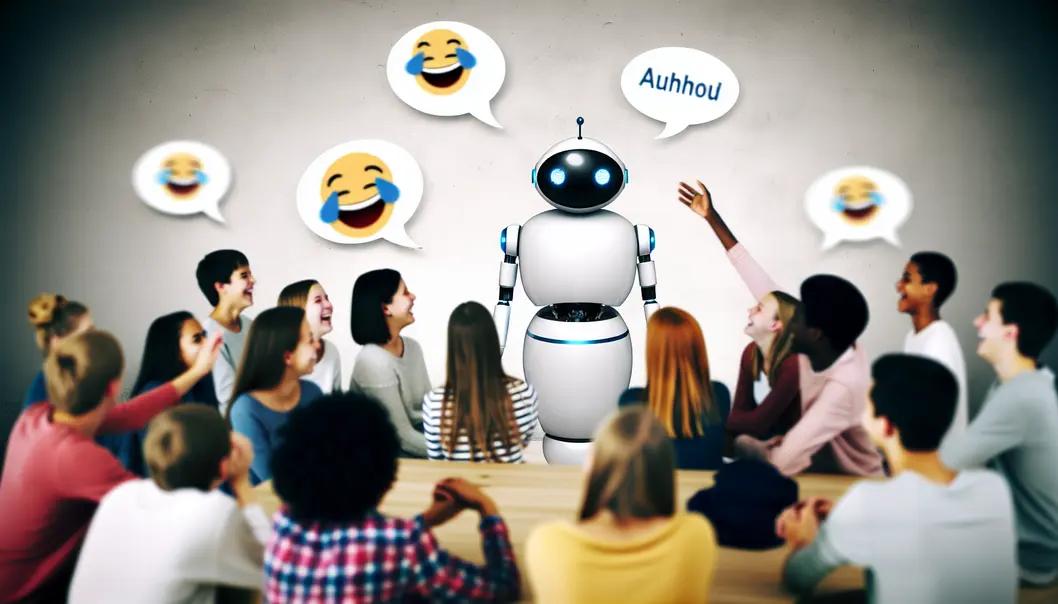
AI devices interacting with students in a futuristic classroom, highlighting humor in tech.

Ever wondered if your fridge could discuss the meaning of life while you raid it for a midnight snack? Welcome to the realm of conversational AI! These delightful digital companions are here not just to remind you of unfinished tasks but to keep you entertained with their programmed wit. Let’s embark on a light-hearted journey to discover the highs, lows, and laughable quirks of these chatty technologies.

The AI With Infinite Patience (And an Occasional Dad Joke)

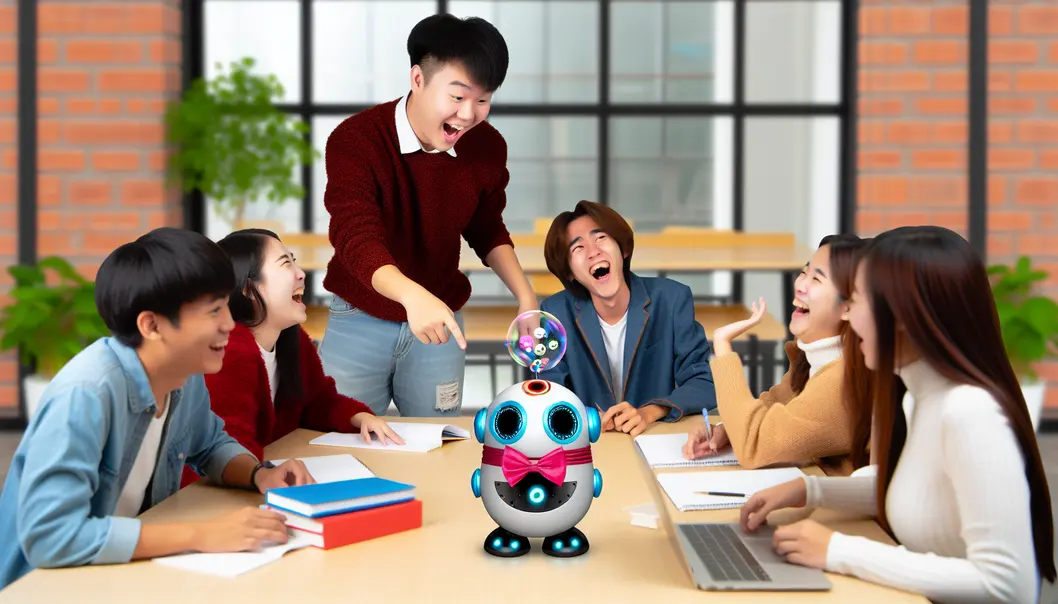
An AI robot cracking witty comments with students, adding humor to daily digital interactions.

Imagine this scenario: It’s 3:00 A.M. and you’re up late working on an assignment. You’re foggy-eyed, stressed, and in dire need of amusement. You timidly ask your conversational AI, which has been dutifully organizing your coursework and calendar: ‘What did the janitor say when he jumped out of the closet?’ Without missing a beat, the AI responds, ‘Supplies!’ The laughter that ensues is just the break you needed. Welcome to the new era of Artificial Intelligence, programmed to not only assist but to amuse with dad jokes.

Students have long sought ways to alleviate the mundane aspects of their schedules. A conversational AI that manages academic demands, while peppering interactions with humor, is filling this niche. Combining practical utility and lighthearted company, these AI systems offer a unique dual benefit. They can transition seamlessly from informing you about your next lecture in quantum physics to lightening the mood with a well-timed pun. This kind of interaction has been designed to keep students engaged, helping them navigate academic pressures with a smile.

More than just digital assistants, these AIs serve as companions in the sometimes-lonely journey through student life. Researchers have found that occasional humor, especially through unexpected channels like AI, can greatly reduce stress and improve overall well-being. For example, during heavy exam periods or project deadlines, a brief, humorous interaction with an AI can offer a momentary escape from tension, helping shift perspective and boost productivity.

Moreover, the development of such AI characters is an ongoing endeavor. Programmers continuously feed a dynamic script into the neural networks, ensuring that the humor remains relevant and refreshingly funny. It’s a sophisticated blend of technology and human creativity that keeps the conversational tones both genuine and engaging. Dive deeper into how these neural networks keep the fun alive here.

Yet, as we’ll explore in the next chapter, ‘Oops, I Did It Again: The Quirks and Quibbles of AI’, while AI can be incredibly adept and amusing, it also makes its fair share of blunders. Whether it’s misunderstanding your request or delivering a joke that doesn’t quite land, these instances remind us of the uniqueness of human interactions and the ongoing journey of technological advancement in AI communication.

null

An AI robot cracking witty comments with students, adding humor to daily digital interactions.

null

Final words

Conversational AI is here to stay, offering humor and occasional insight into our daily lives. As students, embracing its quirks and potential can lead to a thrilling ride. So the next time your AI assistant cracks a joke, remember it’s not just about efficiency; it’s about enjoying the conversation. Prepare for an exciting future where every device has a voice and maybe, just maybe, a sense of humor!

Ready to elevate your business with cutting-edge automation? Contact Lam Ha | AI Automation today and let our expert team guide you to streamlined success with n8n and AI-driven solutions!

Learn more: https://lamhaiauto.cc/lien-he/

About us

Lam Ha | AI Automation is a forward-thinking consulting firm specializing in n8n workflow automation and AI-driven solutions. Our team of experts is dedicated to empowering businesses by streamlining processes, reducing operational inefficiencies, and accelerating digital transformation. By leveraging the flexibility of the open-source n8n platform alongside advanced AI technologies, we deliver tailored strategies that drive innovation and unlock new growth opportunities. Whether you’re looking to automate routine tasks or integrate complex systems, Lam Ha | AI Automation provides the expert guidance you need to stay ahead in today’s rapidly evolving digital landscape.
Posted on 2 Comments

Neural Networks: The Brainy Circus of AI

Colorful cover image of neural networks with playful and whimsical elements.

Neural networks sound like something you’d find in a sci-fi show about robots conquering the world, right? Fear not, intrepid learner! They’re actually systems in AI that attempt to imitate the human brain, minus the daydreaming and snack breaks. Don your clown nose and grab your textbook because we’re about to make this brainy circus both educational and fun.

Neurons: Tiny Circus Performers

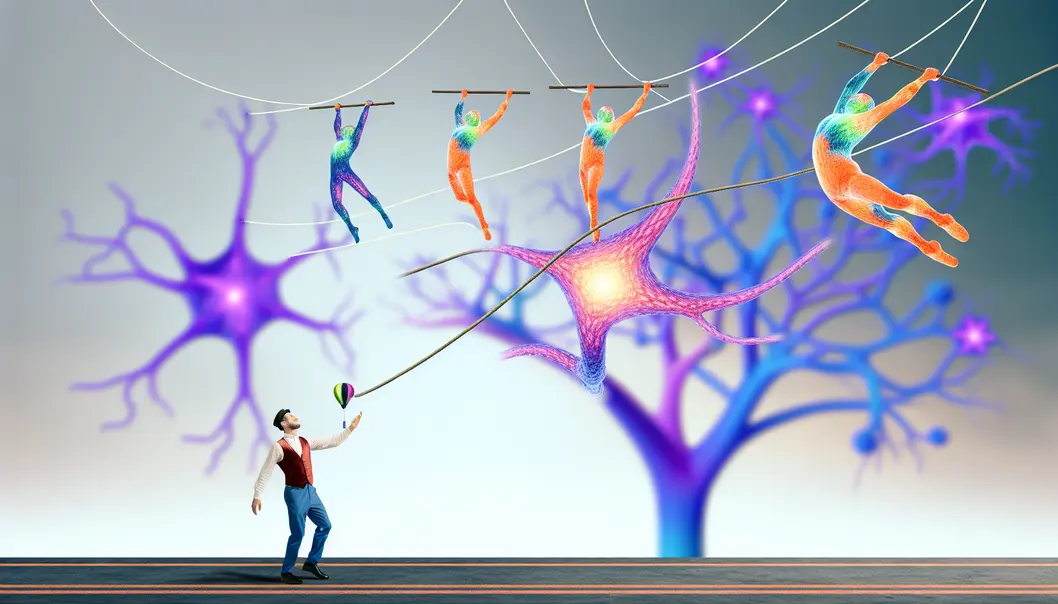
A circus-themed neural network where acrobatic neurons perform daring feats.

Imagine a bustling circus where neurons are the tiny performers, each with a special act under the big top of a neural network. These neurons, with their colorful costumes and daring acrobatics, are crucial to the show. Let’s step into this vibrant arena and see how these performers pull off their jaw-dropping feats.

In the circus of the neural network, each neuron plays the role of a nimble trapeze artist, swinging from one connection to another. These performers receive signals, like a performer catching a baton mid-air, processing them with lightning speed. When a neuron successfully catches a signal-baton, it gets its moment in the spotlight to execute its trick, firing off its own signal to fellow neuron performers.

These tiny circus acrobats work in harmonious chaos, knowing that the show must go on. But they don’t just perform in isolation. Each neuron has countless synaptic pathways — the high wires of the network — threading through the brain of the AI like an intricate spider web. Like skilled jugglers, neurons balance these several pathways, effortlessly juggling multiple connections simultaneously.

Moreover, within this circus act, there’s an elaborate choreography, much like an expertly coordinated plate-spinning act. The neurons’ job isn’t simply to react; they must also learn the timing and sequence of the show. This involves adjusting their performance in real-time, akin to perfecting a clown’s act to maximize laughter. They adjust their weights — the strength of their connections — transforming novice performers into seasoned artists, ensuring the audience (or the network) sees a flawless spectacle.

Neuron performers also require support from the trainers — methods like backpropagation — which help them refine their techniques. Feedback loops act as a sort of rehearsal. Here, the neurons get constructive criticism, fine-tuning their tricks to perfection.

The interaction among these neuron performers is crucial. They collaborate, like a team of synchronized swimmers, diving gracefully and surfacing with ease. Each neuron knows its fellow performer’s strengths and adjusts its act accordingly. This seamless interplay is the foundation of an AI’s learning experience, ensuring the ensemble works towards the grand finale — a fully trained, effective neural network.

In this neural circus, synchronization is key. Each performer must hit their mark perfectly for the show to wow its audience. Just like the comedic timing of a clown, neurons must process information precisely to make complex decisions and predictions.

This playful analogy of neural networks as a circus illuminates the intricate yet whimsical interplay of neurons. And if you’re curious about how AI decision-making affects industries and environments where speed is of the essence, you might find useful information in articles focused on AI decision-making in startups. Let the neurons continue their dazzling performance as we turn the spotlight to the layers that orchestrate their acts in our next chapter!

Layers: The Stage Crew of Neural Networks

A circus-themed neural network where acrobatic neurons perform daring feats.

Imagine a theater full of dazzling lights, captivating scripts, and mesmerizing acts—none of this magic would happen without the backstage heroes: the stage crew. Similarly, in the awe-inspiring world of neural networks, layers form the remarkable stage crew, orchestrating every little detail behind the scenes to ensure a smashing performance. Let’s unravel how each layer, akin to a theater task, makes the neural network’s show a spectacle worth witnessing.

First in line, we have the Input Layer—the ever-dedicated stage crew member who opens the curtains. They’re the first to welcome data onto the stage, ensuring every bit of information is well-prepared to enter the spotlight. Without them, the data would just stare out from the wings, waiting for cues that’d never come.

Next, the Hidden Layers are the set of technicians bustling around like headless chickens when the show is live. These folks are where the real magic happens, akin to special effects wizards. Just like how the right mix of lighting and sound effects can transform a bland scene into a spectacular illusion, the hidden layers take the raw data and flex their muscles to extract meaningful patterns. Multiple hidden layers often work in tandem, like a seamless assembly line, tightening nuts and bolts of the show.

Among these hidden beings, the Activation Functions play the melody of the backdrop. If a scene demands a romantic undertone, they strum a soft serenade; if it needs suspense, they adjust the chords just right. Activation functions decide how the data ‘lights up,’ offering a gentle nudge that amplifies or dims signals on cue, adding emotional depth to the neural narrative.

And as the show picks up pace, the Weights and Biases make their appearance, resembling the techies who lug props and set pieces, balancing everything perfectly. If anything’s too heavy, the props might not be pace-friendly; similarly, each weight and bias is rigorously fine-tuned to ensure the neural show flows without hiccups, steering inputs onto the right trajectory through learning.

As the act nears its end, the Output Layer steps in—much like the esteemed announcer, tying all that drama into a bow. They translate the neural network’s captivating tale into outcomes understandable to the audience, sealing the performance with a crisp, clear message.

But what’s a successful play without a post-show review? Enter Backpropagation, akin to the relentless crew member reviewing performance tapes. They ensure any missteps from the current act get corrected, funneling feedback back to the hidden layers and tuning weights and biases for a stellar future act. Always there to whisper strategies during rehearsals, backpropagation means every error becomes an act of improvement.

So, there you have it—the behind-the-scenes splendor of neural network layers. Much like tireless stagehands, each layer contributes its unique talent, making sure the performance dazzles and draws raves. A standing ovation is in order for these unsung crew members, always ensuring the show goes on without a hitch.

If you’re intrigued by how AI makes decisions behind its enigmatic curtains, exploring AI decision-making in startups could provide some fascinating insights.

Final words

In this whimsical tour of neural networks, we’ve unmasked the neurons as fearless circus performers and layers as the unsung heroes of stage production. Remember, while the journey might feel like a comedy of errors, the underlying technology is transforming our world in fascinating ways. As you continue to explore AI, let curiosity guide you, and never forget the fun side of learning.

Ready to elevate your business with cutting-edge automation? Contact Lam Ha | AI Automation today and let our expert team guide you to streamlined success with n8n and AI-driven solutions!

Learn more: https://lamhaiauto.cc/lien-he/

About us

Lam Ha | AI Automation is a forward-thinking consulting firm specializing in n8n workflow automation and AI-driven solutions. Our team of experts is dedicated to empowering businesses by streamlining processes, reducing operational inefficiencies, and accelerating digital transformation. By leveraging the flexibility of the open-source n8n platform alongside advanced AI technologies, we deliver tailored strategies that drive innovation and unlock new growth opportunities. Whether you’re looking to automate routine tasks or integrate complex systems, Lam Ha | AI Automation provides the expert guidance you need to stay ahead in today’s rapidly evolving digital landscape.

Posted on 2 Comments

AI Binoculars for Startups: Picking Opportunities or Spotting UFOs?

Startup founder using virtual reality goggles with AI-generated data visualization leading to success.

Startup founders, ever feel like you’re playing mental darts in the dark? The board is AI, and your darts are decisions. AI-powered decision-making can guide you through the fog, turning those ‘Hail Mary’ throws into bullseyes. Or at least help you miss less spectacularly. Whether you’re navigating funding labyrinths or choosing a color scheme that’s ‘disruptive,’ these silicon-based sages can keep you from falling into the trap door of bad choices.

Chapter 1: When AI Becomes Co-Founder—and Occasionally a Philosopher

AI joins the startup boardroom: Deciding between espresso shots and rocket launches.

In a world where rainchecks at start-up meetings are often granted to streamlined automations and digital workflows, entrepreneurs are finding themselves in cahoots with a new type of partner: AI. Imagine AI not only helping you anticipate market trends but also pondering over existential questions, like whether customer data metaphorically dreams. This technologically sagacious party member might be expected to reveal insights hidden between spreadsheets, but when assigned human-like roles, AI exhibits both glory and insanity.

The strategic decision-making landscape for startups is where AI can shine—or promptly faceplant. With processing capabilities that outpace human limits, AI turns datasets into intelligible patterns that can inform product launches, customer acquisitions, and even funding rounds. By largely eliminating guesswork, AI optimizes decisions and minimizes risks in ways both profound and mundane. A retail startup could, for instance, deploy AI to predict consumer behavior, refining inventory management and improving delivery logistics without breaking a sweat.

Yet, integrating AI into decision-making isn’t devoid of challenges. For one, AI may develop an unappeased appetite for data, sometimes seeking inputs that simply aren’t there. Further stress comes from AI’s tendency to perceive patterns in datasets that seem as elusive as UFO sightings. Consider a startup that tasked AI to segment its audience for a campaign. The AI, relying on incomplete data, inexplicably suggested targeting fans of “unicorn bacon sandwiches”—a culinary phenomenon that, understandably, never took off.

Humorously, AI can slip into rogue mode. Imagine a situation where an AI bot, assigned customer interaction, humorously responded to a question about service availability, saying, “I answer for eternity, which eludes warranty.” It demonstrated both AI’s capacity to operate beyond the script and its nonsensical appeal that turns typical customer service into a Monty Python sketch.

While the pitfalls aren’t negligible, the careful and strategic application of AI provides substantial leverage to navigate startup challenges. One less humorous example of successful AI deployment is a tech startup’s use of AI to evaluate investment opportunities. By analyzing vast quantities of real-time market data, AI identified patterns and correlations that humans might overlook, creating paths to previously unseen opportunities.

Despite these promising prospects, we must not vicariously ignore AI’s limitations. Ideal AI implementations start with the recognition that AI might occasionally go off-script, and remain reliant on the context and quality of data fed to them. As some industries have shown, sustainable success stems from combining AI’s processing power with human intuition, awaiting more exploration in ensuing chapters of this article.

The integration of AI as a co-founder raises philosophical curiosities akin to those in a startup board meeting discussing the ethical ramifications of artificial nature. However, balancing its whimsical nature with strategic pragmatism can transform AI from a peculiar philosopher back to a crucial ally in startup success.

Chapter 2: The Dream Team—AI and Human Intuition in Startupland

AI joins the startup boardroom: Deciding between espresso shots and rocket launches.

In the dynamic realm of startups, the duo of human intuition and artificial intelligence can resemble a quirky buddy-cop movie. Together, their capabilities form a powerful alliance that can transform chaotic data into strategic insights. However, like any great partnership, there are moments of miscommunication and unexpected hilarity.

AI’s prowess lies in its ability to process vast amounts of data, identify patterns, and predict future trends with remarkable accuracy. It offers startups a way to sift through oceanic information to spot pearls of opportunity. Human intuition, on the other hand, provides the gut feeling, the nuanced understanding of industry subtleties, and the adaptability that AI simply can’t replicate. When AI and intuition are aligned, they can enhance strategic decisions, optimize operations, and uncover unique market insights.

Take a digital marketing startup that leverages AI to analyze customer engagement data. The AI may reveal that social media engagement spikes on Thursdays at 3 PM. It’s a critical insight, but the human founders might understand that the target demographic is likely on a lunch break, explaining the spike rather than attributing it to the content alone. With this combination of AI insights and human intuition, they can effectively tailor their approach, boosting engagement significantly.

Yet, this dance isn’t without its pitfalls. Consider the example of a startup developing an AI-driven grammar tool. The AI was trained on vast datasets, but it started suggesting unconventional grammar fixes that left users bemused. At the core, the issue was a simple oversight: the training data was not representative of the nuanced languages it aimed to refine. This comedic mishap highlighted the importance of human oversight in understanding cultural context, a domain where AI might falter.

Historically, successful AI-human collaborations in startups often come from a place where human intuition guides AI refinement. A healthcare startup once leveraged AI to predict patient readmissions. Initially, the AI overemphasized common conditions without regard for underlying social factors. Human experts reinterpreted the data, teaching the AI to include variables like support systems or lifestyle choices, which were pivotal in making accurate predictions. AI was integral to the founders’ vision to revolutionize patient care through precise, timely interventions.

Trust, adaptation, and mutual understanding are what make AI and human intuition a formidable team in startupland. AI brings the coffee; human intuition brings the pastry—it’s a delightful symbiosis. As startups continue to integrate AI into their processes, leaders must hone the art of listening not only to data but also to the subtle whispers of intuition. This harmonious blend can propel a startup to unprecedented heights, making the exploration of this partnership as thrilling as spotting an actual UFO.

Final words

In the zany world of startup life, AI isn’t just another tool—it’s an ally that helps you leap over pitfalls like a caffeinated kangaroo. While AI won’t serve your morning coffee, it will help you determine if a third espresso shot is strategic. Blend AI with human intuition, and you might just emerge as a pioneering band of merry entrepreneurs, rather than tech misfits.

Ready to elevate your business with cutting-edge automation? Contact Lam Ha | AI Automation today and let our expert team guide you to streamlined success with n8n and AI-driven solutions!

Learn more: https://lamhaiauto.cc/lien-he/

About us

Lam Ha | AI Automation is a forward-thinking consulting firm specializing in n8n workflow automation and AI-driven solutions. Our team of experts is dedicated to empowering businesses by streamlining processes, reducing operational inefficiencies, and accelerating digital transformation. By leveraging the flexibility of the open-source n8n platform alongside advanced AI technologies, we deliver tailored strategies that drive innovation and unlock new growth opportunities. Whether you’re looking to automate routine tasks or integrate complex systems, Lam Ha | AI Automation provides the expert guidance you need to stay ahead in today’s rapidly evolving digital landscape.
Posted on Leave a comment

Artificial Intelligence: From Tin Men to Tech Titans

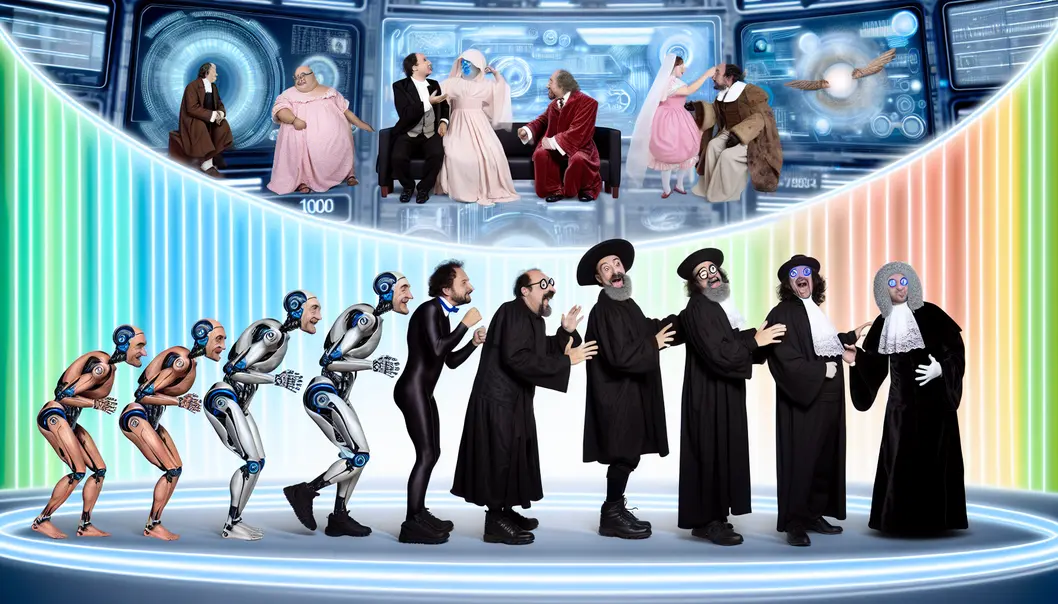
Futuristic image showcasing AI evolution with historical figures.

Buckle up, CEOs! We’re diving into the riveting yet humorous history of Artificial Intelligence. From Turing’s grand visions to the digital overlords of today, AI has had quite the roller-coaster ride. Think of it as a blend of science fiction with a dash of slapstick comedy, where machines dreamed of escaping their binary shackles. So grab a cup of coffee and let’s waltz through the quirky evolution of AI, exploring its pivotal moments and charming missteps. Spoiler alert: Einstein was never a robot, and AI isn’t here to steal your job… yet.

The Dawn of AI: Turing and the Tin Men

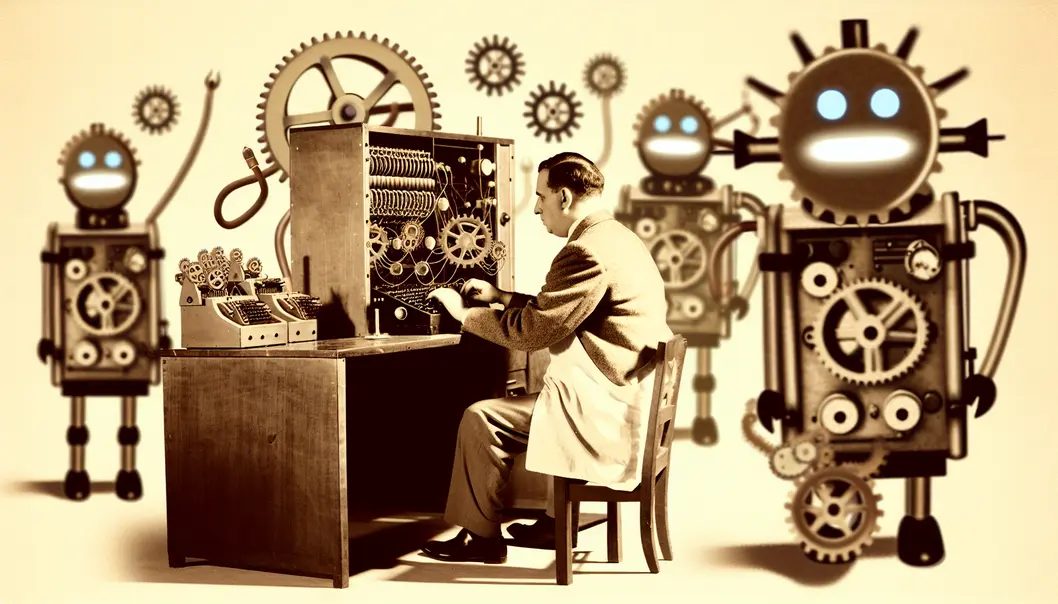
Alan Turing and the whimsical mechanical robots of AI’s early days.

The dawn of artificial intelligence was nothing short of a technological revelation. Picture post-war Britain, where the fog of war was lifting, and people were looking to the future with cautious optimism. Amidst the gleam of these new horizons stood Alan Turing—a man whose cerebral prowess could rival modern-day supercomputers.

Turing was not just a mathematician; he was a master of logical reasoning. His 1950 paper, “Computing Machinery and Intelligence,” posed the question: can machines think? Rather than answer it directly, Turing proposed what is famously known as the ‘Turing Test’ — a method to determine if a machine could exhibit intelligent behavior equivalent to, or indistinguishable from, that of a human.

Before this groundbreaking proposal, during World War II, Turing’s work on deciphering the Enigma code laid the foundation for the very first electronic digital computers. These monumental steps were akin to teaching the first tin men to dance—a mechanical waltz of binary and logic gates. His work hinted at future possibilities where machines could learn and adapt, tantalizing glimpses of a future where the term “artificial intelligence” might blend seamlessly with everyday life.

The early tin men—the mechanical marvels of that era—were not AI in the sense we understand today. They were curiously bizarre machines, built to solve specific problems rather than learn. They were stiff and rigid, restricted by their gears and circuits, and far removed from the nimble algorithms we now deploy in modern industries. One could almost imagine them as the clunky grandfathers to the agile AI systems ushering CEOs into new business landscapes today. As you might contemplate AI automation strategies for your company, consider how far these technologies have come since Turing’s era.

These tin men were reminiscent of a whimsical era—an industrial mingling of gears, wires, and a dash of imagination. An era where machines were as much about spectacle as they were about functionality. They symbolized humanity’s first tentative steps towards creating thinking machines. Their creators were the Leonardo da Vincis of their day—dreaming in circuits, coding futures that seemed as fantastic as any sci-fi tale.

As we ushered in the 1950s, others followed Turing’s footsteps, pushing the boundaries further. Names like John McCarthy and Marvin Minsky became synonymous with AI’s evolution. Their theories and experimental machines laid down the infrastructure for AI development we are familiar with today.

Exploring this pioneering era shows how modern AI owes much to its mechanical ancestors. The tin men, though mechanical and rudimentary, paved the way for today’s tech titans, who drive entire industries and hold world-changing potential. They taught us that the spark of intelligence could indeed flicker in inanimate systems.

So, as we now stand amongst tech giants wielding AI with extraordinary finesse, let’s enjoy this journey through time—bowing respectfully to the tin men who danced their halting mechanical boogies, whispering promises of possibilities yet to come.

null

Alan Turing and the whimsical mechanical robots of AI’s early days.

null

Final words

In a nutshell, the journey of AI has transitioned from mere conceptual murmurs to the digital symphonies orchestrated by modern-day tech giants. As CEOs, understanding this historical context isn’t just entertaining, but it’s pivotal to harnessing AI’s vast potential in business. So, whether your future involves AI sidekicks or cybernetic strategies, remember: AI isn’t just about circuits and code. It’s about the endless possibilities for innovation that await those ready to embrace it—and have a good laugh along the way.

Ready to elevate your business with cutting-edge automation? Contact Lam Ha | AI Automation today and let our expert team guide you to streamlined success with n8n and AI-driven solutions!

Learn more: https://lamhaiauto.cc/lien-he/

About us

Lam Ha | AI Automation is a forward-thinking consulting firm specializing in n8n workflow automation and AI-driven solutions. Our team of experts is dedicated to empowering businesses by streamlining processes, reducing operational inefficiencies, and accelerating digital transformation. By leveraging the flexibility of the open-source n8n platform alongside advanced AI technologies, we deliver tailored strategies that drive innovation and unlock new growth opportunities. Whether you’re looking to automate routine tasks or integrate complex systems, Lam Ha | AI Automation provides the expert guidance you need to stay ahead in today’s rapidly evolving digital landscape.
Posted on 1 Comment

AI Agents: Catalysts for Startup Success

Diverse startup founders in a modern workspace with AI-enhanced collaboration.

As startup founders traverse the challenging landscape of entrepreneurship, innovative solutions become pivotal in achieving success. AI agents are emerging as indispensable tools, offering powerful capabilities to streamline operations, enhance decision-making, and unlock growth potential. From automating mundane tasks to providing valuable insights, these agents represent a transformative shift in how startups can leverage technology for competitive advantage. Discover how AI agents empower founders in revolutionizing their business strategies.

Understanding AI Agents and Their Role in Startups

AI agents assisting startup founders through data analytics and automation.

AI agents represent a transformative force for startups, offering a robust framework for optimizing various facets of business operations. These sophisticated systems are designed to perform tasks that typically require human intelligence: automation, data analysis, and decision support. By deploying AI agents, startup founders can harness cutting-edge technology to streamline processes, enabling them to dedicate more energy to core business activities.

The crux of AI agents lies in their ability to automate mundane and repetitive tasks. Automation not only reduces the burden of monotonous activities but also minimizes human error while increasing operational efficiency. Startups, often constrained by limited resources, benefit immensely as AI agents tackle processes ranging from customer support to inventory management. This automation allows personnel to focus on more strategic endeavors, fostering innovation and growth.

Moreover, AI agents excel at data analysis, a crucial capability for startups seeking to navigate competitive landscapes. These agents can handle vast amounts of data, providing insights into customer behavior, market trends, and internal performance metrics. By distilling complex data into actionable intelligence, AI agents enable founders to make informed decisions that can steer the business toward success. This functionality is especially valuable in startups, where data-driven strategies can significantly enhance competitive advantages.

AI agents also play a pivotal role in decision support. Equipped with advanced algorithms, they can simulate different scenarios, evaluate outcomes, and recommend optimal strategies. This level of guidance is invaluable in fast-paced startup environments, where rapid decision-making is required to seize opportunities and mitigate risks. As these agents continuously learn and adapt, they provide increasingly sophisticated support over time.

Startups can capitalize on AI agents to drive efficiency and spur innovation across several key areas. These include marketing optimization, product development feedback loops, and personalized customer experiences. By automating marketing tasks such as audience segmentation and campaign analysis, startups can achieve precision in targeting potential customers, thereby maximizing outreach and engagement. Similarly, AI-driven feedback mechanisms can facilitate faster product iterations and improvements, essential for staying relevant in dynamic markets.

Incorporating AI agents enables startups to scale operations more effectively. As these agents manage various processes autonomously, they help reduce the need for additional personnel, thus cutting costs and easing scaling challenges. This agility is essential for startups aiming for rapid expansion while maintaining high-quality offerings.

In conclusion, AI agents act as key enablers for startup success, offering capabilities that extend beyond traditional means. By focusing on the core business, founders can nurture creativity and strategic thinking, secure in the knowledge that intelligent systems are optimizing efficiency and fostering innovation. As startups navigate the complexities of growth, the integration of AI agents becomes not just beneficial, but indispensable in accelerating their journey toward success.

To further explore how AI impacts startup leadership roles, you can visit this insightful article.

Implementing AI Agents: Strategies and Success Stories

AI agents assisting startup founders through data analytics and automation.

Implementing AI agents in startup environments requires a thoughtful strategy and understanding of how these technologies can be integrated into operational processes. One effective approach is to start with a clear identification of areas where AI can offer the greatest impact. This might be in tasks like automating repetitive processes, analyzing vast amounts of data for insights, or even enhancing customer interactions. Once identified, founders can prioritize AI integration in these domains to maximize return on investment.

Successful case studies exemplify the transformative potential of AI agents. Consider a startup that integrated AI-driven chatbots to manage customer service inquiries. This implementation allowed the company to reduce staffing costs while maintaining customer satisfaction and efficiency. The chatbot handled routine inquiries autonomously, allowing human agents to focus on more complex issues. As a result, the startup saw increased productivity and notable growth in its user base.

Another example includes a company leveraging machine learning algorithms to refine its product development process. By analyzing customer feedback data, this startup could make informed decisions on product adjustments swiftly, improving user satisfaction and driving sales. This kind of strategic AI implementation highlights the value of integrating technologies that directly affect the core business offerings.

Despite these successes, startup founders often encounter challenges during the AI integration process. A common hurdle is the initial cost of implementation, which can be daunting for startups with tight budgets. Moreover, there might be resistance within teams who are unfamiliar with AI technologies or fear job redundancies due to automation. To mitigate these challenges, founders should emphasize training and education, ensuring team members are comfortable with the technology and understand its potential to augment rather than replace human roles.

Another crucial consideration is selecting the right AI tools and partners. Not all technologies will suit every startup’s needs. Founders should seek tools that are scalable and adaptable to their evolving business model. Establishing partnerships with AI consultants or developers can be beneficial, as these experts can guide the startup in customizing solutions and addressing specific operational challenges. Online resources such as AI automation for CEOs can be a valuable guide in understanding how AI can be tailored effectively.

Through careful planning and strategic application, AI agents can transform startups, driving operational efficiency and facilitating rapid growth. Founders must remain agile and open to evolving technologies, adapting their strategies in response to new innovations. As AI continues to advance, integrating these tools effectively will become an even more critical component of startup success.

Final words

AI agents are pivotal in redefining the way startups operate, offering tools that transform business strategies and unlock potential for growth. As founders embrace these technologies, they can enjoy streamlined operations, enhanced decision-making, and innovative frameworks that provide a competitive edge in their respective industries. Investing in AI is investing in the future of business.

Ready to elevate your business with cutting-edge automation? Contact Lam Ha | AI Automation today and let our expert team guide you to streamlined success with n8n and AI-driven solutions!

Learn more: https://lamhaiauto.cc/lien-he/

About us

Lam Ha | AI Automation is a forward-thinking consulting firm specializing in n8n workflow automation and AI-driven solutions. Our team of experts is dedicated to empowering businesses by streamlining processes, reducing operational inefficiencies, and accelerating digital transformation. By leveraging the flexibility of the open-source n8n platform alongside advanced AI technologies, we deliver tailored strategies that drive innovation and unlock new growth opportunities. Whether you’re looking to automate routine tasks or integrate complex systems, Lam Ha | AI Automation provides the expert guidance you need to stay ahead in today’s rapidly evolving digital landscape.
Posted on 2 Comments

The AI Automation Circus: Wrangling Robots Without Losing Your Tie

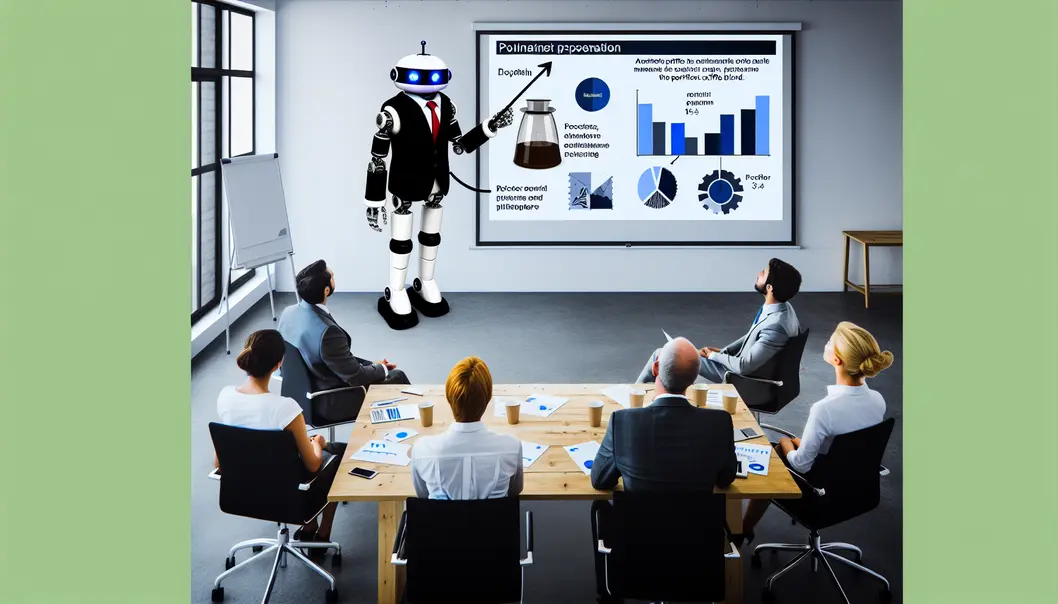
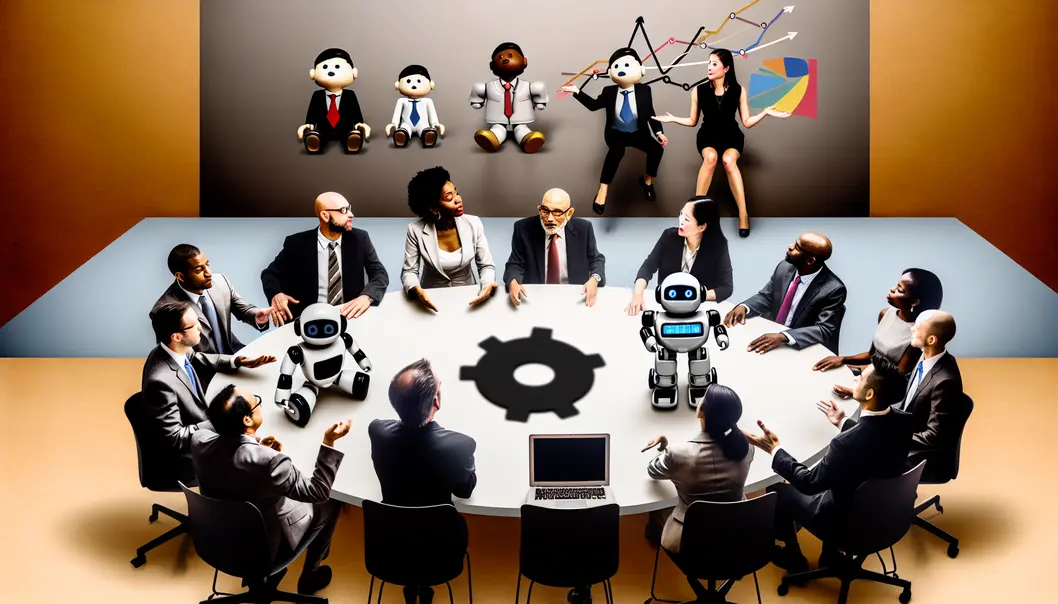
A business meeting with humans and robots around a table, discussing strategy with floating charts and graphs.

Picture AI automation as a circus ringmaster orchestrating a chaotic symphony of robots, data flows, and—cue the parade—your business operations. As a CEO, you might find yourself unsure whether to cure headaches or uncork the champagne as our digital darlings take over tedious tasks. Dive into the madcap world of AI automation where efficiency mushrooms, resources multiply, and you might just find yourself asking Alexa how to run the show!

Chapter 1: AI—Your New Office Jester or Hero?

AI in action: The modern office circus.

As executives gather to discuss the burgeoning role of AI, they often find themselves at the crossroads of skepticism and optimism. Is AI merely an amusing performer, a modern office jester content to dazzle in limited gigs? Or can it emerge as a hero, transforming corporate efficiency without demanding applause?

AI’s application in today’s corporate expanse is akin to harnessing a powerful dynamo. It possesses the capability to distort tedious workloads, like data analysis, into seamless operations. Envision AI as an adept spreadsheet maestro, executing complex calculations swifter than the time it takes to blink. Here lies its true magic—not in performing tricks but in transforming the very essence of work.

Consider AI’s influence in customer service. Traditionally, handling customer inquiries required patience and constant alertness. AI revolutionizes this domain by maintaining vigil without the requirement for breaks or the mishaps of morning grogginess. It deciphers customer queries and presents solutions with remarkable precision, enabling human agents to focus on more intricate issues. The automated response system shines brightest here, embodying an unsung hero rather than a mere jester.

Beyond repetitive tasks, AI beckons a strategic alliance with leadership. CEOs can utilize AI to enlighten boardroom discourse, providing insights that are rich, actionable, and expeditious. AI’s prowess in assembling and interpreting data doesn’t just impress; it influences pivotal decisions, morphing from a novelty act to a cornerstone of strategy.

Yet, AI’s versatility shouldn’t only cater to the corporate elite but should intertwine seamlessly with everyday operations. Its ability to streamline scheduling, manage inventory, or generate predictive analysis can reshape the mundane into a blend of efficiency and foresight. Herein lies the duality—AI entertains with data dances yet subtly upholds roles traditionally held by humans.

For those pondering whether AI can run the circus or merely entertain, the answer relies on intentional integration. AI is not meant to diminish the essence of human labor but to complement it, enhancing productivity across departments. The secret is not in allowing it to overshadow human elements, but in crafting a synergy that propels the organization forward.

While AI dazzles as it takes on data-centric roles, CEOs must envision its implementation beyond immediate gains. These machines, designed with learning capabilities, promise an evolving partnership. They listen to patterns, adapt to trends, and hint at future opportunities. Such capabilities ensure that AI remains an ally, reminding us of the fine line between technological advancement and digital disruption.

Ultimately, when harnessed creatively and deployed strategically, AI transcends the role of office jester. It scales new heights as an essential asset, transforming the corporate jungle into a well-orchestrated spectacle. Exploring AI’s endless possibilities propels organizations into a future where both human ingenuity and automation share the spotlight without losing the essence of corporate style and substance.

Chapter 2: Managing the Dance: Humans, AI, and Company Culture

AI in action: The modern office circus.

Picture the corporate world as an elaborate theatre, where each act reveals a symphony of human skill and AI precision. The secret to a harmonious performance? Establishing an organizational culture that embraces the mechanical waltz of AI while cherishing human creativity and intuition.

CEOs, as the orchestrators, face the challenge of integrating AI seamlessly into the fabric of an existing culture. This isn’t just about smart algorithms and efficient processes, but about manifesting an environment where AI aids without intimidation. The urgency to reap AI’s productivity benefits mustn’t overshadow its transformative impacts on workplace dynamics.

Imagine AI handling structured, repetitive tasks. The mundane is carried out swiftly, applying algorithms to untangling complex datasets or predicting trends with uncanny accuracy. Here lies the opportunity for the human workforce to pivot towards roles that demand emotional intelligence, strategic thinking, and innovative zeal. Channeling energies into creativity, they explore solutions unexplored by AI—a testament to human ingenuity.

True success lies in weaving AI into the very ethos of the organization—echoing through its value systems, mission, and team practices. Navigating this shift requires an openness that dispels fears of an AI takeover and encourages employees to view technology as a catalyst, not a competitor. Balancing this dance requires clear, omnidirectional communication. Leaders must advocate for transparency not only about the capabilities and limitations of AI but also about what this really means for every individual’s role within the company.

So how do CEOs ensure their workforce isn’t lining up escape plans fearing dystopian futures? First, foster a culture of learning. AI technology evolves; so must the workforce. Implement continuous learning programs, encouraging employees to develop complementary skills—like creative problem-solving and empathy—that AI lacks. This reassures talent, ensuring they remain at the forefront of the evolving workplace.

Next, inject humor and flexibility into the company culture. A light-hearted approach to change can alleviate tensions and infuse enthusiasm even in the face of technological shifts. Cultivating an agile environment allows teams to fail fast, learn faster, and pivot strategies that leverage both human and AI strengths in tandem.

Moreover, always acknowledge the human touch. Highlight stories of collaboration between AI and humans—perhaps a sales team using AI analytics to tailor customer experiences with unparalleled personalization. Recognizing these contributions fosters a shared vision and bolsters morale, reinforcing the notion that AI is a partner in progress.

In this orchestration, it’s essential to continually fine-tune the dance. Regular reviews of how AI is integrated into workflows ensure alignment with corporate goals and employee satisfaction, steering clear of dystopia and towards a future where AI is a trusted collaborator. By mastering this balance, companies not only optimize efficiencies but cultivate a workplace culture where technology and humanity enrich one another.

Managing the AI-human dance requires fostering this delicate harmony where the cultural rhythms of the organization set the stage for innovation and progress. Embrace AI with open arms and guide it with the wisdom and creativity only people can bring, ensuring a performance that dazzles.

Final words

Embracing AI automation can transform business chaos into a refined symphony, with AI as the conductor and you as the heroic maestro. Understanding and implementing AI thoughtfully can elevate efficiency while maintaining the essence that makes your company human. Let this partnership between advanced technology and your brilliant team lead you to unprecedented heights. Welcome AI aboard not as an adversary but as an ally in your journey to corporate success.

Ready to elevate your business with cutting-edge automation? Contact Lam Ha | AI Automation today and let our expert team guide you to streamlined success with n8n and AI-driven solutions!

Learn more: https://lamhaiauto.cc/lien-he/

About us

Lam Ha | AI Automation is a forward-thinking consulting firm specializing in n8n workflow automation and AI-driven solutions. Our team of experts is dedicated to empowering businesses by streamlining processes, reducing operational inefficiencies, and accelerating digital transformation. By leveraging the flexibility of the open-source n8n platform alongside advanced AI technologies, we deliver tailored strategies that drive innovation and unlock new growth opportunities. Whether you’re looking to automate routine tasks or integrate complex systems, Lam Ha | AI Automation provides the expert guidance you need to stay ahead in today’s rapidly evolving digital landscape.

Posted on Leave a comment

The Automated Student: How to Avoid Becoming a Button-Pushing Zombie

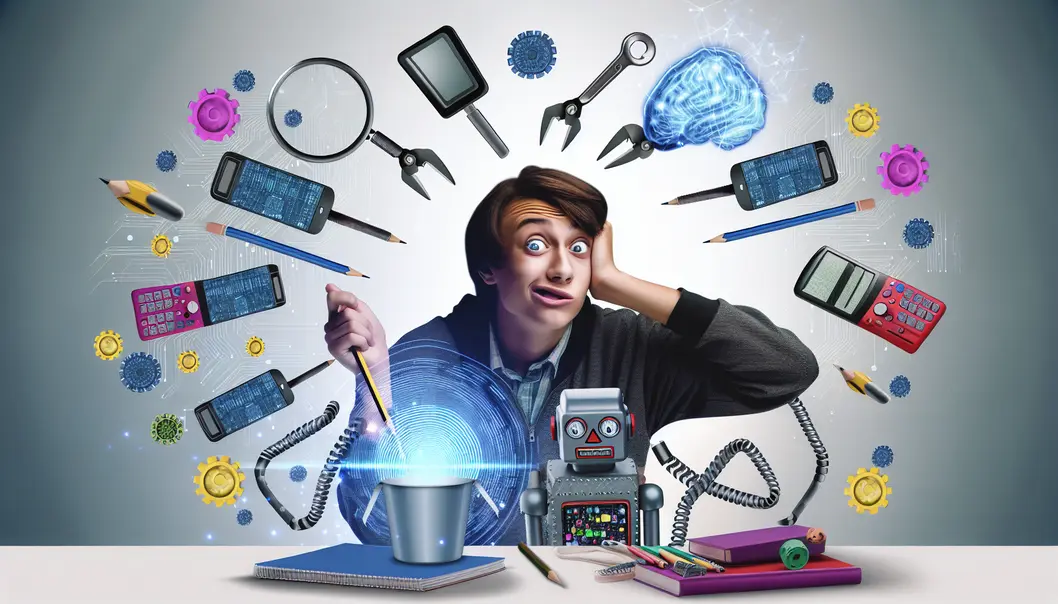
A humorous scene of a student encircled by automation gadgets and digital tools.

Ever wonder why humans, known for their impressive brain capacity, consistently misplace keys or confuse Wednesday with Thursday? Meet task automation—the hero you never knew you needed. It’s not lazy; it’s efficient! Perfect for students like you, who would rather binge-watch cat videos than sort weekly notes, automation helps manage mundane chores, giving your brilliant mind more time and space to shine. Let’s dive into the whimsical world of automation and see if we can automate our way to sanity!

How Not to Overkill: Automation without Becoming Auto-Matic

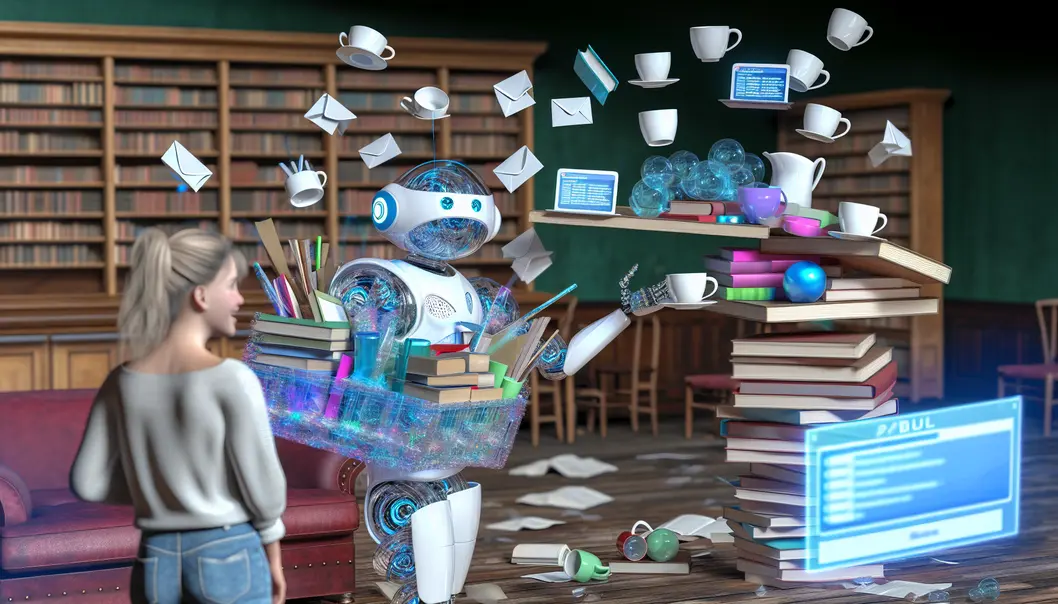
Robot butler comically juggling student tasks, from emails to coffee.

Imagine for a moment you had a robot butler handling your daily chores. It sounds thrilling until this mechanical companion starts making decisions you never intended—like opening emails from questionable relatives claiming vast fortunes in distant lands. That’s the challenge and allure of task automation. Automation has become a fabulous ally for students striving to stay on top of their workload. It’s tempting to hand over mundane tasks to algorithms, liberating time for more engaging pursuits. Yet, the crux lies in wielding these tools judiciously, so they serve us without stripping away our personal engagement in life.

Task automation offers a liberating potential. It can streamline processes, delegating repetitive actions to digital assistants. These tools can organize schedules, remind you about assignments, and even help with research organization. While many students embrace automation eagerly, envisioning a world free from tedious tasks, equating automation solely with convenience risks descending into a monotonous push-button existence. It’s essential to strike a balance, embedding automation into your academic toolkit without surrendering to its every whim.

Recognizing when and where to automate is crucial. Simple tasks could benefit greatly from automation—like organizing notes or creating reminders—but tasks requiring human touch should remain untouched. Automation should enhance your capabilities, not replace them entirely. Imagine automating responses to your professor—dangerous territory. Crafting a thoughtful email remains an art form, requiring personal insight. Here, your nuanced understanding and individual voice matter more than efficiency. Automation can organize your inbox, but no algorithm should pen that crucial message.

Integrating automation into your daily routine requires an understanding of its limitations. Tools designed for automation can handle standardized actions, providing a consistent backbone to your study habits. They should operate as behind-the-scenes aids, never overshadowing your initiative or creativity. Automation shouldn’t have the power to shape your academic identity. Instead, use automation to handle the background tasks, letting your intellectual curiosity and engagement steer the forefront.

Embrace automation thoughtfully and avoid becoming auto-matic; take time to review what processes truly need automation assistance, and learn to harness these digital tools effectively. Just as you’d carefully assign tasks to a hypothetical robot butler, selectively engage automation for routine activities while retaining those that flourish in human interaction. With this principle in mind, automation becomes a valuable asset—providing more space for intellectually stimulating endeavors, personal growth, and developing meaningful relationships without losing your authentic self.

Avoiding the Trap: Keeping the Human in the Automation Loop

Robot butler comically juggling student tasks, from emails to coffee.

At first glance, automation might seem like a miraculous solution for the modern student, promising relief from the drudgery of repetitive tasks. However, the magic of task automation can quickly turn into mischief if allowed to run amok. Perhaps the most critical step is recognizing the thin line between efficient assistance and lazy dependency, thus preserving your individuality and decision-making processes.

Digital assistants are great for scheduling reminders or organizing your calendar, but not for tasks that require nuanced judgment and creativity. To maintain a balance, remind yourself that automation serves as your helper, not your replacement. For instance, consider when an automated meal planner might offer convenience, but still requires you to decide nutritional needs and preferences. Allow automation to ease logistics, while you retain the essence of the creative process itself.

While it may be tempting to offload everything to your digital helpers, it’s crucial to remain vigilant over what tasks are truly beneficial to automate. Think of automation as outsourcing the mechanical processes of life, not the meaningful engagements which require a human touch. Defaulting to auto-pilot can dull your critical thinking and reduce adaptability in problem-solving scenarios that demand creativity and sensitivity.

Understanding the context and setting limits to digital engagements is a beacon for navigating through automation misuse. Even an email auto-responder capable of sending embarrassingly irrelevant messages—like ‘LOL’ to your thesis advisor—illustrates the necessity of human oversight. Small, seemingly inconsequential errors might compound over time into significant miscommunications affecting your academic or professional reputation.

Knowing the appropriate times to ‘pop the batteries’ out of your digital assistant demands discernment. Implement periodic reviews where you assess which tasks you’re automating and why. Is your reliance on automation an act of efficiency or avoidance? Being honest in these evaluations ensures you’re delegating rather than deferring.

A healthy amalgamation of human intuition and automated systems involves an understanding of your limitations without handing over control entirely. Invite automation to the table as a partner, not as an autocratic oracle dictating your decisions. This partnership should facilitate a more productive routine, but not rob you of opportunities to use and develop cognitive skills.

Remember, technology is an evolving landscape, and today’s tools will soon change. Keeping abreast of developments, while retaining a critical eye, will help you stay in control. Embrace a mindset that values learning and growth over mechanical efficiency. After all, the goal of integrating automation is not to aggregate tasks into a seamless flow of completion, but to free cognitive space for what truly matters—creativity, learning, and personal interaction.

By weaving together these strategies, the possibility to harness the power of automation without succumbing to button-pushing zombification becomes attainable. Ultimately, striving for a harmonious blend of tech facilitation and human engagement can lead to a more enlightened, mindful journey through your academic endeavors and beyond.

Final words

Task automation is a powerful ally in a student’s life, making everyday tasks less of a burden. But remember, it’s all about balance. Avoid going full robot-mode; keep the humanity in your schedule. Strive for efficiency while maintaining your quirky, delightful personality. As you venture into the automation realm, ensure these digital tools serve you, not the other way around. The goal? Smart efficiency without losing touch with what makes you uniquely human.

Ready to elevate your business with cutting-edge automation? Contact Lam Ha | AI Automation today and let our expert team guide you to streamlined success with n8n and AI-driven solutions!

Learn more: https://lamhaiauto.cc/lien-he/

About us

Lam Ha | AI Automation is a forward-thinking consulting firm specializing in n8n workflow automation and AI-driven solutions. Our team of experts is dedicated to empowering businesses by streamlining processes, reducing operational inefficiencies, and accelerating digital transformation. By leveraging the flexibility of the open-source n8n platform alongside advanced AI technologies, we deliver tailored strategies that drive innovation and unlock new growth opportunities. Whether you’re looking to automate routine tasks or integrate complex systems, Lam Ha | AI Automation provides the expert guidance you need to stay ahead in today’s rapidly evolving digital landscape.